Camper Refrigerator Repair Guide: Fixes & Maintenance
Learn practical, safe steps to diagnose and repair a camper refrigerator. Clear, actionable guidance for DIY fixes, maintenance, and energy-efficient operation.


You will diagnose and fix a camper refrigerator, from checking door seals and venting to testing thermostats and cooling coils. This guide covers essential safety steps, tool lists, and practical diagnostics tailored to RV setups. By following these steps, homeowners can save time, avoid mistakes, and decide when professional service is required.
What is a camper refrigerator and how it differs from a home fridge
Camper refrigerators are built for mobile living and must operate reliably on multiple power sources, tolerate vibration, and fit into compact RV spaces. Unlike household units, many RV fridges are absorption-based or compressor-based, with separate venting, cooling coils, and a cooling unit designed for 12V battery power, generator use, or propane gas. The practical result is a system that can work well on the road but requires RV-specific maintenance. The How To Refrigerator team notes that RV appliances face unique challenges, including limited ventilation, irregular power availability, and temperature swings from moving or parking on uneven ground. Understanding these differences helps homeowners plan proactive maintenance, diagnose issues accurately, and avoid unnecessary parts replacements. Regular inspection of seals, vents, and temperature settings keeps a camper fridge performing when you need it most.
Power sources, energy use, and temperature ranges in RV setups
RV refrigerators primarily rely on three energy sources: 12V DC from batteries, 120V AC from shore power or a generator, and propane gas for off-grid cooling in absorption models. Each source has its own efficiency profile and risks: 12V draws down the house battery, 120V depends on a reliable shore or generator supply, and propane requires proper ventilation and leak checks. Temperature targets in campers usually fall within a range dictated by the model and mode (gas, AC, or DC). In practice, owners should monitor interior temps with a reliable thermometer and avoid frequent, drastic thermostat changes. The How To Refrigerator Analysis, 2026 emphasizes keeping a stable temperature and ensuring sufficient airflow around the exterior coils to maximize efficiency.
Common cooling problems and quick checks
Not cooling, warm interior, frost buildup, or excessive frost are common complaints with camper fridges. Quick checks include verifying the door seals are intact and sealing properly, ensuring the exterior vents are free of dust and debris, confirming the fridge is level, and checking for proper power supply to the unit. If using propane, confirm the flame is steady and the burner is clean. Dirty coils or blocked vents can dramatically reduce cooling efficiency, so inspect and clear any obstructions. Small issues, when caught early, often cost less to fix than major component failures.
Diagnosing not-cooling: a practical decision tree
Begin with power and placement: is the unit receiving the correct power source, and is it level? If yes, move to seals and vents. If seals and airflow are clear, test the thermostat or control board for proper operation. For propane models, check the burner flame and venting. If the problem persists after these steps, consult the manual or a professional, as some RV fridges require specialized service. Maintain a simple decision tree: power check → seals/vents → thermostat/fan/burner → professional service if unresolved.
DIY fixes you can safely perform in a camper
Many fixes are within reach for homeowners who follow safety guidelines. Start by unplugging the unit and inspecting door gaskets for cracks or warping, replacing them if necessary. Clean condenser coils and ensure airflow isn’t blocked. If temperature readings are inconsistent, recalibrate the thermostat or adjust the placement to improve airflow. For frost or ice buildup, defrost as recommended by the model’s manual and check for drainage blockages. Document every change so you can communicate details to a technician if needed.
When to call a professional or consider replacement
If you’ve exceeded basic troubleshooting and the fridge still won’t cool evenly, it may be time to seek professional help or consider a replacement. RV refrigeration systems, especially absorption models, can involve hazardous components and require specialized tools. The How To Refrigerator team advises evaluating the age of the unit, repair cost vs. replacement, and the impact on your camper’s energy efficiency. In some cases, a compressor-based upgrade may offer improved reliability for frequent travelers.
Maintenance routines to extend life and efficiency
A proactive maintenance schedule extends the life of a camper refrigerator. Regularly inspect door seals, clean vents, and verify coil cleanliness. Keep a temperature log to detect gradual changes and adjust as needed. Test safety features, especially if the unit doubles as a freezer in certain climates. Store spare parts and keep the model number handy for quick reference to manuals and service bulletins. Small, consistent upkeep reduces the risk of sudden failures on trips.
Camper fridge features, accessories, and buying tips
When selecting a camper refrigerator, compare compressor vs absorption technologies, energy efficiency, insulation quality, and compatibility with your RV’s electrical setup. Consider features like temperature alarms, dual-zone capability, and corrosion-resistant components for harsh climates. Accessories such as smart thermostats, vent covers, and weather stripping for doors can improve performance. Plan for maintenance in your budget and choose a unit that aligns with your travel cadence and power strategy.
Tools & Materials
- Multimeter(test voltage at outlets and control wiring)
- Screwdrivers (Phillips and flathead)(for panel screws and vent covers)
- Nut driver or socket set(remove mounting hardware safely)
- Microfiber cloths and brushes(clean coils and inspect seals)
- RV thermometer (min-max or digital)(monitor interior temps accurately)
- Flashlight or headlamp(inspect vents and interior compartments)
- Model-specific owner’s manual(confirm defrost cycles and diagrams)
Steps
Estimated time: 60-90 minutes
- 1
Ensure safety and locate model
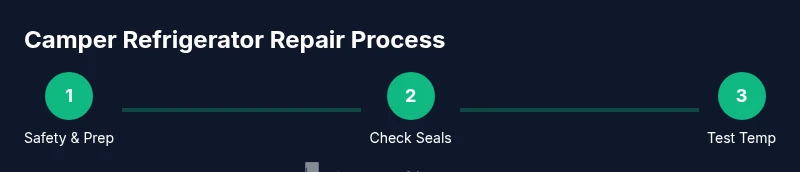
Begin by unplugging the RV from any power source and locating the refrigerator’s model number and manual. This helps you follow safety procedures and look up specific defrost or diagnostic steps. Confirm you have adequate lighting and a clear workspace around the fridge.
Tip: Always disconnect power before touching electrical components to prevent shocks. - 2
Inspect door seals and gaskets
Check all door seals for cracks, stiffness, or gaps. A worn gasket can let warm air inside and hinder cooling. If you find damage, replace with the correct RV-specific seal to restore airtight integrity.
Tip: Clean seals with mild soap and water; dry completely before testing. - 3
Check vents and condenser area
Locate the exterior vents and the condenser area. Remove dust and debris that may block airflow. Ensure there’s at least a few inches of clearance around the unit and that the surrounding cabinet isn’t blocking intake or exhaust.
Tip: A soft brush and vacuum attachment work well for delicate coil fins. - 4
Test interior temperature and thermostat
Place a thermometer inside and set the thermostat to a mid-range setting. Observe temperature changes over 1–2 hours. If the temperature stays high or fluctuates wildly, recalibrate or replace the thermostat with a compatible RV model.
Tip: Record readings at regular intervals to spot subtle trends. - 5
Inspect cooling system components
For units with a visible fan and access panel, ensure the fan runs smoothly and coils aren’t obstructed. If your model uses a propane burner, verify the flame is steady and the burner is clean. Look for signs of oil or soot near the burner inlet.
Tip: Never operate a frayed or damaged electrical cord around the burner area. - 6
Decide next steps based on results
If you have ruled out basic issues and the fridge still shows inadequate cooling, consider professional service or a replacement, especially if the unit is older or showing refrigerant-related deficiencies.
Tip: Keep a repair log and note costs to compare against upgrading options.
FAQ
Why is my camper refrigerator not cooling at all?
Not cooling can result from power supply issues, door leaks, blocked vents, or thermostat faults. Start with power checks, inspect seals, and ensure airflow before seeking professional help.
If your RV fridge isn’t cooling, check power, seals, and vents first; then test the thermostat and consult a technician if it remains unresolved.
Is it safe to reset an RV fridge myself?
Resetting can be safe if you disconnect power, wait, then reconnect and monitor. Always follow the manufacturer’s reset procedure to avoid damaging control boards.
Yes, but only after turning off power and following the manual’s reset steps; monitor closely after reboot.
Can I repair a propane RV fridge without a professional?
Some basic checks are DIY-friendly (seals, vent clearance, burner cleanliness), but propane systems involve fire and gas risks. If you’re unsure, consult a pro.
You can do safe inspections, but for the gas part, consider a professional for safety.
How often should I maintain my camper refrigerator?
Perform a light inspection quarterly and a thorough inspection annually, focusing on seals, vents, and coils. Regular checks prevent unexpected failures on trips.
Check seals and vents every few months, and do a full review once a year.
Should I upgrade to a compressor-based camper fridge?
Compressor-based units are generally more reliable and energy-efficient for frequent travelers, but weigh upfront cost against anticipated use and power availability.
An upgrade can pay off if you travel often and value reliability and efficiency.
Watch Video
Top Takeaways
- Inspect door seals first to fix most cooling issues
- Ensure vents and coils have clear airflow
- Use a thermometer to verify stable temperatures
- Differentiate between DIY fixes and professional service
- Plan maintenance to extend RV fridge life