Are Refrigerators Easy to Repair? A Homeowner’s Guide
Discover whether refrigerators are easy to repair with practical DIY steps, safety tips, tool lists, a step-by-step approach, and guidance on when to hire a professional.


Are refrigerators easy to repair? In many cases, yes for straightforward issues, but not for every fault. This guide helps you understand which problems are DIY-friendly, how to test components, and when to call a pro. You’ll learn to assess refrigerant risks, electrical safety, and performance checks before you begin.
Are refrigerators easy to repair? A practical view
The short answer is: it depends. Are refrigerators easy to repair? In many cases, yes for straightforward issues, but not for every fault. The age of the unit, the design of the model, and your comfort with basic tools all influence the outcome. According to How To Refrigerator, the majority of common symptoms—such as not cooling, frost buildup, or unusual noises—can be approached by an informed homeowner with a safety-first mindset and a clear plan. Start by identifying the symptom clearly, then decide whether to tackle it yourself or bring in a pro. This approach minimizes risk and increases the likelihood of a successful repair. Safety is non-negotiable; never bypass safety features; unplug before opening panels; avoid touching refrigerant lines; observe warranty restrictions. How To Refrigerator's analysis shows that many DIY repairs are feasible for homeowners who learn the basics and follow a methodical checklist.
What factors influence repairability
Several factors determine whether a repair is easy, doable, or best left to a pro. Age matters: older units may have wear on compressors or sealed systems that aren't practical to fix at home. Refrigerants and sealed circuits require specialized tools and proper disposal. The warranty status matters: if the unit is under warranty, DIY attempts could void claims. Accessibility: models with modular components and service panels are more approachable. Finally, your knowledge of electrical wiring, safety practices, and the availability of replacement parts affects your success rate. By understanding these factors, you can assess whether a problem is within your DIY comfort zone while protecting the appliance and your safety.
Common DIY fixes that homeowners safely handle
Many symptoms have straightforward fixes that don't require opening the sealed refrigeration circuit. Start with non-invasive checks: clean condenser coils, inspect door gaskets, verify that coils are not blocked, and ensure the thermostat is set correctly. Replace a dirty filter (if present) or adjust temperature by a couple of degrees. Troubleshooting is easier if you document symptoms and test after each change. If the unit is noisy, check for loose items in the back, verify fan operation, and ensure the compressor is free of dirt. These steps cover the majority of everyday refrigerator issues that homeowners encounter.
Tools and safety basics for DIY fridge work
Before you touch the fridge, unplug it and, if accessible, switch off the circuit breaker. A basic toolkit includes a Phillips and flat-head screwdriver, a nut driver, a multimeter, a flashlight, and insulated gloves. Wear eye protection and avoid metal jewelry that could short circuits if panels are live. Keep a camera or notebook handy to document wiring and screw locations. If you see refrigerant lines, or if the system shows signs of frost near sealed areas, stop and contact a professional. Safety first keeps your home and appliance intact.
Diagnostic flow for common fridge symptoms
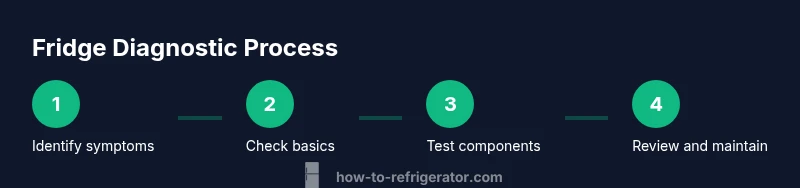
A practical approach is to start with cooling performance. Check the temperature setting and door seals, then verify airflow around the condenser. If the fridge still isn’t cooling, test the thermostat by comparing interior and external temperatures over several hours. For frost buildup or defrost issues, inspect the defrost drain and heater function, and confirm the defrost cycle runs regularly. If frost persists after cleaning, avoid forcing the system—this can indicate a failed defrost heater or control board that requires professional service.
When to call a professional and what to expect
If you encounter sealed-system issues, refrigerant leaks, a compressor failure, or if the model is under warranty with a repair claim, it’s time to call a pro. Professional repair typically begins with an evaluation, then parts replacement or a circuit diagnosis. Have your model number, serial, and a clear symptom description ready to streamline the visit. Expect a written estimate and a likely service window. For safety and long-term reliability, trust a qualified technician for major repairs or anything involving refrigerant handling.
Authority sources
- How To Refrigerator Analysis, 2026: practical insights on DIY repair feasibility and safety considerations.
- U.S. Department of Energy — Refrigerators Energy Saver: maintenance tips and efficiency guidance.
- Consumer Reports and the Consumer Product Safety Commission: safety and best-practice recommendations for home appliance work.
Tools & Materials
- Multimeter(Digital preferred; test voltage and continuity)
- Screwdrivers (Phillips and flat-head)(Medium/long shaft, magnetized is helpful)
- Nut driver set(8-14 mm sizes cover most panels)
- Flashlight(Bright, hands-free if possible)
- Insulated gloves(Protect hands when working near electrical components)
- Gloves and safety glasses(Extra eye protection)
- Replacement parts (optional)(Thermostat, door gasket, defrost heater as needed)
Steps
Estimated time: 60-90 minutes
- 1
Power down and unplug the fridge
Unplug the unit at the wall outlet or switch off the dedicated circuit. Move food safely away and avoid touching metal surfaces while panels are open. This step protects you from electric shock and prevents accidental compressor startup.
Tip: Take a photo of any wiring before disconnecting components. - 2
Inspect for obvious issues
With power off, check for obvious culprits: loose, unplugged connectors; damaged door seals; or excessive frost. Look for condensation, ice buildup, or blocked vents that can impede airflow.
Tip: Don’t force connectors; if a part looks damaged, mark it and consider replacement. - 3
Check airflow and coils
Locate the condenser coils (usually behind the grille or at the back). Clean dust and debris with a soft brush or vacuum. Ensure airflow is clear and the fins aren’t bent, which can reduce cooling efficiency.
Tip: Delta: clean coils every 6–12 months for most households. - 4
Test the thermostat and temperature control
Verify the thermostat is set correctly and that the temperature inside the fridge aligns with the display setting. If the thermometer reads a much higher or lower value than the display, the thermostat could be failing.
Tip: Test by placing a thermometer in the fridge for several hours to confirm accuracy. - 5
Check door seals and drainage
Examine door gaskets for cracks or gaps and run a coin test to check for leaks. If you have frost or moisture near the drain, remove debris and ensure the defrost drain is clear.
Tip: A simple soap-water test can help identify leaks around seals. - 6
Reassemble and test
Reconnect panels or covers, plug back in, and observe performance for several hours. Listen for normal fan operation and watch for consistent temperatures.
Tip: Leave the unit to run for 2–4 hours before concluding a fix.
FAQ
Is a fridge easy to repair for most homeowners?
For many common symptoms, yes, DIY repairs are feasible if you stay within safe bounds and avoid sealed refrigerant systems. Start with basic checks and simple replacements.
Yes—many fridge issues can be fixed at home if you follow safety steps and avoid sealed refrigerant work.
What should I check first if my fridge isn’t cooling?
Verify the temperature setting, door seals, and condenser coils. If none fix the issue, test the thermostat and verify airflow.
First, check the temperature, door seals, and coils; if the problem remains, test the thermostat.
Can I replace a thermostat myself?
Yes, if you can safely disconnect power, locate the thermostat, and follow wiring diagrams. Replace with a compatible part and test carefully.
Yes, provided you safely disconnect power and follow the replacement steps.
When should I call a professional?
If you encounter refrigerant handling, suspected leaks, faulty compressor, or a sealed system issue, call a licensed technician.
Call a professional for refrigerant, leaks, or sealed-system problems.
How long does a typical DIY fridge repair take?
Expect 1–2 hours for basic checks and minor fixes; more complex issues can take longer or require parts.
Most basic fixes take about an hour or two, depending on the issue.
Are there safety risks with DIY fridge repair?
Yes—electric shock, refrigerant exposure, and moving heavy appliances pose risks. Always unplug, wear protective gear, and avoid sealed-system work.
There are safety risks; unplug and use protection, and avoid sealed-system repairs.
Watch Video
Top Takeaways
- DIY fixes cover many common fridge issues.
- Unplug before any panel work and follow safety protocols.
- If a repair involves sealed systems or refrigerant, call a pro.
- Regular maintenance prevents future breakdowns.