Beverage Center Refrigerator: Setup & Maintenance Guide
Learn how to select, install, and maintain a beverage center refrigerator. Practical tips for placement, temperature control, energy use, and troubleshooting.


This guide helps homeowners understand beverage center refrigerators, what makes them unique, and how to choose, install, and maintain one. You'll learn placement, ventilation, temperature zoning, energy considerations, and common troubleshooting. According to How To Refrigerator, a well-chosen beverage center can streamline drink storage, improve access, and reduce energy waste. Whether you’re upgrading a kitchen, entertaining space, or bar area, this article covers practical steps, safety notes, and maintenance routines.
What makes a beverage center refrigerator unique
A beverage center refrigerator is a purpose-built appliance that emphasizes organized beverage storage. Unlike standard refrigerators, it tends to offer adjustable shelves, glass doors for quick visual access, and sometimes dedicated temperature zones to keep drinks at ideal serving temperatures. The How To Refrigerator team found that homeowners appreciate the ability to store a mix of cans, bottles, and bottles with less door-opening, which helps maintain cold air and reduces energy usage. In practice, this means you can dedicate a portion of your kitchen or bar area to drinks without sacrificing pantry or produce space. When evaluating a beverage center refrigerator, look for interior layout options (adjustable shelving, wine racks, half-width shelves), door configuration (full- or glass-door), and whether there are temperature zones that support different drink types. A well-designed unit simplifies hosting and daily organization, returning time you would otherwise spend hunting for the right bottle.
Layout options and capacity considerations
Capacity for beverage center refrigerators is described in terms of can/bottle count and shelf arrangement rather than standard pantry space. Look for adjustable shelves, spill-proof shelves, and dedicated racks for bottles or cans. Measure the doorway and the kitchen doorway to ensure the unit fits through tight spaces. If you entertain frequently, consider a wider model with a glass door to display beverages while keeping the interior cold. Consider door swing direction and whether the hinge will interfere with nearby cabinetry or appliances. In short, your choice should balance accessibility with airflow and energy efficiency, keeping beverages easy to grab during busy mornings or party nights.
How temperature control works in beverage centers
Most beverage center refrigerators use a thermostat to maintain a consistent interior temperature. Some models offer one or two temperature zones to suit different drink types (beer, soda, wine). The thermostat responds to door openings and ambient room temperature, which means frequent access can cause minor fluctuations. For best results, follow the manufacturer’s recommended range and avoid overloading the shelves, which can impede air circulation. The How To Refrigerator analysis shows that organizations with properly dialed-in temperature zones sustain drink quality and minimize energy use over time.
Placement, ventilation, and electrical needs
Place your beverage center refrigerator on a flat, level surface with clear space at the back and sides for airflow. Avoid heat sources, direct sunlight, and crowded cabinetry that blocks vents. Use a dedicated electrical outlet (preferably a GFCI-protected circuit) and avoid power strips. Leave at least a couple of inches around the unit for air to circulate and to prevent heat buildup. If you’re integrating the unit into cabinetry, consult the installation manual and consider professional help for built-in installations. Proper placement reduces compressor work and extends the appliance’s life.
Maintenance practices and common issues
Regular cleaning keeps odors and residue from building up inside a beverage center refrigerator. Wipe shelves with a mild, non-aggressive cleaner and check door gaskets for cracks or gaps. If you notice frost or condensation, inspect the ventilation and defrost drain (if present) for clogs. Empty the drain pan if your model includes one and ensure seals are tight after cleaning. Address noisy fans or unusual vibrations promptly, as they can indicate airflow blockages or loose components.
Energy efficiency and cost considerations
Energy efficiency for beverage center refrigerators depends on insulation quality, compressor efficiency, and door sealing. Look for Energy Star-rated models when possible and compare expected annual energy usage based on the manufacturer’s spec sheet. Small lifestyle changes—such as avoiding keeping doors open longer than necessary and placing the unit away from heat sources—can yield noticeable savings over time. Remember that a well-maintained unit with properly sealed doors runs more efficiently and lasts longer, protecting your investment and reducing household energy costs.
Quick-start setup and calibration checklist
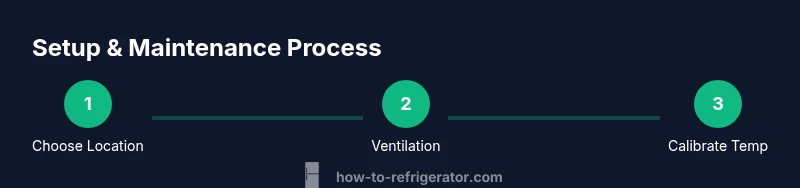
- Survey the space and ensure clearance for airflow.
- Unbox, inspect, and remove packaging carefully.
- Level the unit and secure if needed.
- Plug into a dedicated outlet and verify power.
- Install shelves and adjust organization to fit your beverage lineup.
- Set the temperature to manufacturer-recommended ranges and leave to stabilize.
- Load beverages and arrange by type for easy access.
- Create a maintenance routine and set reminders for gasket checks and interior cleaning.
Tools & Materials
- Measuring tape(To verify space clearance (back and sides))
- Level(To ensure the unit sits evenly)
- Screwdriver set (PH2)(For interior shelf adjustments)
- Voltage tester or outlet checker(Confirm outlet is live and safe)
- Soft cloth and mild detergent(Interior cleaning before initial use)
- Anti-tip brackets (optional)(Recommended for built-in or top-heavy setups)
Steps
Estimated time: 60-90 minutes (plus 24 hours stabilization)
- 1
Inspect the unit and unbox carefully
Carefully remove the beverage center refrigerator from its packaging and check that all components listed in the manual are present. Look for shipping damage on doors, seals, and shelves. Photograph any issues for warranty if needed.
Tip: Keep packaging until you verify the appliance works properly. - 2
Choose location and clear space
Select a location with level flooring and ample clearance for airflow around the back and sides. Avoid heat sources and direct sunlight to keep the compressor stressed less and the interior stable.
Tip: Measure the doorway and ensure the unit fits through before moving into place. - 3
Level and position the unit
Place the unit in the final spot and adjust the leveling feet until the bubble is centered. Ensure the door seal makes full contact with the frame without gaps.
Tip: Check alignment by closing the door and verifying it seals evenly all around. - 4
Plug in and verify electrical supply
Plug into a dedicated, grounded outlet (preferably GFCI). Do not use an extension cord or power strip, which can cause voltage drops and heat buildup.
Tip: If the outlet tester shows any fault, call a licensed electrician. - 5
Install shelves and organize interior
Slide in adjustable shelves and racks according to your beverage mix. Place frequently used bottles in the most accessible zones and heavier bottles lower to improve stability.
Tip: Label zones if you plan to group by type (beer, soda, wine). - 6
Set temperatures and initialize the unit
Consult the user manual for the recommended temperature range and zone configuration. Allow the unit to run for 24 hours before loading heavily; this stabilizes compressor cycling.
Tip: Avoid overloading shelves during the initial setup to maintain airflow. - 7
Load beverages and test operation
Add beverages and verify consistent cooling. Check door seals, listen for the fan, and confirm there are no unusual noises or leaks.
Tip: Keep a regular bag of cleaning wipes to maintain interior hygiene. - 8
Establish a maintenance routine
Create a simple calendar for gasket inspection, interior cleaning, and drain checks. Address frost buildup or condensation promptly if it occurs.
Tip: Set reminders every 3-6 months depending on usage.
FAQ
What is a beverage center refrigerator?
A beverage center refrigerator is a dedicated drinks storage unit with adjustable shelves and temperature control to keep beverages at optimal serving temperatures. The How To Refrigerator Team notes that dedicated zones help preserve beverage quality.
A beverage center refrigerator is a dedicated drinks fridge with adjustable shelves and temperature control.
Do beverage centers have dual temperature zones?
Some models offer one or two temperature zones to suit different drink types; check the product specs for zone separation and airflow constraints.
Some models have one or two temperature zones; check specs for details.
Can I install a beverage center in a cabinet or built-in space?
Built-in or cabinet installations are possible on models designed for built-in use, but require proper ventilation and service clearance according to the manufacturer.
Built-in installation is possible on approved models with proper ventilation.
How often should I clean the gasket and interior?
Check door gaskets monthly and wipe the interior every few weeks to prevent odors and residue buildup. Address condensation or frost promptly if it occurs.
Clean gaskets monthly and wipe the interior regularly.
Are beverage centers energy-efficient?
Many beverage centers are energy-efficient, especially Energy Star-rated models. Compare annual energy usage and ensure proper maintenance for best efficiency.
Energy efficiency depends on model; look for Energy Star ratings and good seals.
What should I do if the unit isn’t cooling properly?
First check the thermostat settings, door seals, and ventilation. If issues persist, contact a technician or the manufacturer’s support for diagnosis.
Check settings and seals first; if unresolved, seek professional help.
Watch Video
Top Takeaways
- Plan placement with ventilation for efficiency
- Organize shelves by beverage type for quick access
- Follow manufacturer guidance for temperatures
- Maintain seals and interior clean to extend life