Pizza Dough in Refrigerator: Storage Guide
Learn how to store pizza dough in the refrigerator safely, with recommended storage windows, temperatures, and practical tricks to maximize flavor and texture.


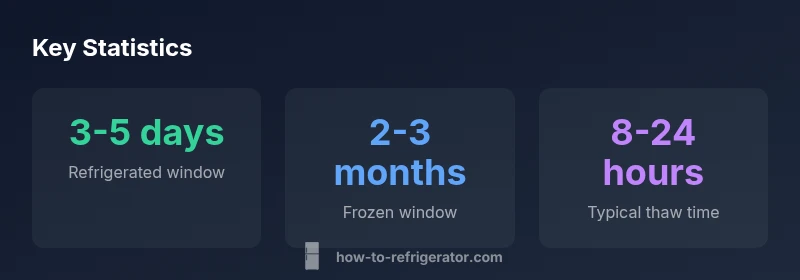
Pizza dough in the refrigerator is a practical way to slow fermentation and extend your prep window. For most home cooks, refrigerated dough stays usable about 3-5 days when stored in a sealed container with a light oil layer to prevent surface drying. For longer storage, portion and freeze, then thaw in the fridge before use. Keep a steady fridge temperature and avoid airtight sealing that traps moisture.
Why refrigeration matters for pizza dough
Refrigeration slows yeast activity, allowing you to control fermentation more predictably. This is especially useful if you plan meals around homemade pizza or want to deepen flavor through a gradual rise. A steady cold environment reduces the risk of over-proofing and helps you stagger dough times across days, which is particularly helpful for busy households. The concept of keeping dough in the refrigerator—reiterated by the How To Refrigerator team—centers on giving bakers flexibility without sacrificing texture when done correctly.
Temperature stability is crucial. Fluctuations, like frequent door opens or placing dough near the freezer, can cause inconsistent rise and uneven crumb. To minimize this, use a dedicated container, choose a single shelf location, and avoid placing dough directly against cold walls or vents. A light oil layer on the surface minimizes skin formation and helps preserve moisture, while a tight, but not airtight, seal prevents excess moisture loss. The result is a dough that develops flavor gradually and remains easy to handle when you’re ready to bake.
Packaging matters too. Choose a shallow, airtight container or a resealable bag with most of the air pressed out. Label the date and portion size so you can track age at a glance. If you are storing multiple dough batches with different hydration levels or added ingredients (like olive oil or garlic), keep them separate to prevent cross-flavoring. With proper storage, you’ll have a reliable, tasty dough stock for last-minute pizzas and weekend gatherings.
How long can dough last in the fridge?
In most homes, plain, well-covered dough stays usable for about 3-5 days when stored properly. If your dough includes added olive oil, herbs, or cheese, its shelf life may vary slightly, so it’s wise to inspect for signs of change before baking. A dough that smells pleasantly yeasty and doesn’t show mold, discoloration, or excessive wetness is typically fine to use. For best results, portion the dough before refrigerating so you can pull out exactly what you need without reintroducing air or contaminants.
If you anticipate longer delays, freezing is a practical alternative. Freezing dough in portion-sized pieces helps preserve texture and makes weeknight cooking feasible. When you’re ready to use it, thaw in the refrigerator overnight and allow a short rest at room temperature to rehydrate the dough surface and relax the gluten. This reduces tearing and yields a smoother, easier shape. Always reassess after thawing; if the dough has an off smell or appears unusually wet, discard it to avoid food safety risks.
Practical tips for storage and handling
Here are actionable steps to optimize dough quality when storing pizza dough in the refrigerator:
- Use a container with a light oil coating on the inside to prevent surface drying. Keep the lid slightly loose to balance moisture and airflow.
- Portion dough before refrigerating. Smaller portions stay at a consistent temperature and are easier to bake without destroying the rest of the batch.
- Label dates and hydration levels on the container. A quick reference helps you track which dough to use first and avoids over-fermentation.
- Place dough away from the coldest edge of the fridge. A consistent, cool environment with minimal temperature fluctuation yields more predictable results.
- Check the dough daily for signs of spoilage. If you notice an off odor, discoloration, or mold, discard immediately.
- If you are new to dough with olive oil or herbs, test a small batch first to understand how ingredients influence fermentation and texture over several days.
These steps balance convenience with quality, making it easier to enjoy pizza night without sacrificing flavor or texture.
When to freeze and how to thaw
Freezing is the best option for long-term storage of dough. Follow these steps for optimal results:
- Divide dough into portion-sized pieces and shape into rounds or disks. This makes thawing quicker and more even.
- Lightly oil and wrap each portion, then seal in a freezer-safe bag or container. Remove as much air as possible to prevent freezer burn.
- Label with date and rough hydration level so you know what you’re pulling out later.
- Freeze dough promptly after shaping and avoid leaving it at room temperature too long during the initial mixing.
- To thaw, transfer a frozen dough piece to the fridge and allow 8-24 hours for thawing, depending on size. After thawing, let it rest at room temperature for 15-30 minutes before shaping to improve extensibility.
- If you’re pressed for time, you can thaw in cold water for a quick thaw, but this method requires careful handling to prevent contamination and texture loss.
Properly frozen dough retains flavor while offering the convenience of ready-to-use portions. When in doubt, prioritize gentle thawing and minimal handling to preserve gluten structure.
Dough storage methods comparison
| Storage Method | Best Temperature/Window | Typical Usable Time | Notes |
|---|---|---|---|
| Refrigerator dough storage | 34-40°F (1-4°C) | 3-5 days | Sealed container with light oil to prevent drying |
| Freezer dough storage | -18°C (0°F) | 2-3 months | Portion-sized, thaw in fridge |
| Room temperature storage | 68-70°F (20-21°C) | 2-6 hours | Risk of safety issues if left too long |
| N/A | N/A | N/A | Use for quick reference only |
FAQ
How long can pizza dough be stored in the fridge?
Typically 3-5 days in the refrigerator when stored properly in a sealed container with a light oil layer. Check for signs of spoilage before using.
In the fridge, dough usually lasts 3 to 5 days; always check for off smells before using.
Can I freeze dough that has already been refrigerated?
Yes, portion and freeze dough to extend shelf life. Thaw in the fridge overnight before use.
Yes—freeze portions and thaw overnight in the fridge.
Should I oil the dough or container?
Light oil helps prevent surface drying and sticking; avoid heavy coatings.
A light oil layer helps keep the dough smooth.
Is it safe to refrigerate dough with toppings?
Toppings can affect moisture balance; refrigerate plain dough and add toppings after resting.
Keep dough plain in the fridge; add toppings after.
What signs indicate dough has spoiled?
Strong sour smell, unusual color, mold, or slimy surface indicate discard.
If it smells off or shows mold, throw it away.
Does fridge temperature affect dough fermentation?
Yes. Too warm speeds fermentation; too cold slows it—aim for a cool, steady range.
Temperature controls fermentation rate; keep it steady.
“Storing dough in the fridge is a reliable way to control fermentation, flavor development, and timing when done with proper coverage.”
Top Takeaways
- Store dough in a sealed container to prevent drying.
- Keep the fridge temperature steady to slow fermentation.
- Freeze portions for longer storage.
- Thaw in the fridge before use to control texture.
- Discard dough that smells off or shows mold.