How Long Will Pizza Dough Last in the Refrigerator
Learn how long pizza dough lasts in the refrigerator, safe storage steps, spoilage indicators, and practical timelines for yeast-based and sourdough dough. Get data-backed guidance to minimize waste and bake with confidence.


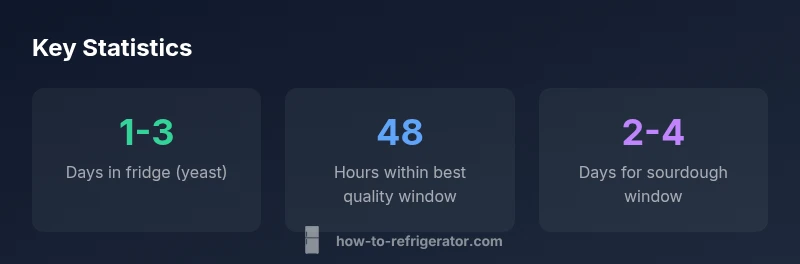
How long will pizza dough last in the refrigerator? In general, refrigerated pizza dough remains safe and usable for about 1-3 days when kept airtight in the fridge. Dough made with active yeast may start to rise slowly, which can impact texture. For best results, use within 48 hours if possible, and always check for off smells, unusual discoloration, or excessive sourness before shaping.
Why Storage Time Matters
According to How To Refrigerator, pizza dough is a living mixture of flour, water, yeast, and salt. When you place dough in the refrigerator, you’re effectively slowing fermentation to preserve texture and prevent over-proofing. Understanding how long will pizza dough last in the refrigerator helps you plan meals, reduce waste, and avoid undercooked centers or tough crusts. In practice, the safe window depends on dough composition, whether it contains sugar or fats, hydration level, and how well it’s sealed. For homeowners, a common rule is that yeast-based dough can be kept for about 1-3 days, with the quality best within 48 hours. If you’re working with sourdough, expect a somewhat longer window but more flavor changes over time. Regardless of type, always store dough airtight to minimize drying and to slow off-flavor development. This article uses How To Refrigerator analysis, 2026, to frame practical timelines so you can cook with confidence.
Factors that Influence Shelf Life in the Fridge
The clock on dough longevity hinges on several interacting variables. Yeast activity, sugar content, salt level, fat presence (think oil or butter), hydration, and dough temperature all play roles. Higher hydration can accelerate fermentation, while cooler fridge temperatures slow it. Doughs with added dairy products may develop flavor faster but can shorten shelf life due to fat spoilage. Oxygen exposure also matters: tightly wrapped dough reduces surface drying and odor development. For How To Refrigerator readers, the safest takeaway is that 1-3 days is a reliable baseline for most yeast-based doughs, with sourdough often pushing the higher end if kept very cold and well sealed.
Storing Dough Properly (Step-by-Step)
- Portion or shape the dough into the intended serving sizes. 2) Lightly oil a clean container or wrap dough tightly in plastic wrap to minimize air exposure. 3) Label with date and type (yeast vs. sourdough) for quick planning. 4) Place the dough in the main body of the fridge, not the door, to avoid temperature fluctuations. 5) Before use, check for signs of over-proofing (very airy texture) or off odors. 6) If you don’t plan to use within 48 hours, consider refrigerating in two smaller portions or freezing for longer storage.
This practical workflow helps keep every batch reliable and reduces waste. Remember, always align your storage with the dough’s formulation and your schedule.
Common Dough Types and Timelines
Different dough formulas age differently in the fridge. Yeast-based dough commonly stays good for 1-3 days, with best results within 48 hours. Sourdough dough can tolerate 2-4 days under tight refrigeration, but flavor and texture will evolve as slow fermentation continues. Rich doughs with dairy or high fat content may shorten to 1-2 days due to fat-friendly spoilage risks. Gluten development and binding agents also influence how dough handles after chilling. If you routinely bake pizza later in the week, plan multiple portions so you can bake fresh from the fridge without extended waiting. These timelines come from How To Refrigerator Analysis, 2026 and reflect typical consumer kitchen conditions.
Signs Dough Has Spoiled
Always assess dough before baking: a sour or off-putting aroma, a gray or greenish tint, excessive liquid release, or a sticky, tacky surface that won’t come back together can indicate spoilage. If dough has developed an unusual texture after refrigeration or you notice mold, discard immediately. For dairy-enriched doughs, pay special attention to separation and curd-like textures. In ambiguous cases, err on the side of safety and prepare a fresh batch. When in doubt, throw it out rather than risk foodborne illness.
Freezing vs Refrigerating: When to Freeze Dough
If you know you won’t use the dough within 3 days, freezing is often the safer bet. Freeze dough balls on a tray, then seal in airtight bags once solid. Frozen dough can retain quality for weeks to a few months depending on the recipe. Thaw in the fridge overnight or on a counter with caution, then proceed with a quick re-knead to re-activate gluten structure. Freezing certainly broadens your planning horizon, especially for bulk dough preparation or meal prepping.
Practical Scenarios and Quick Timelines
• Simple weeknight pizzas: keep dough for 1-2 days, use within 48 hours for peak texture. • Weekend projects: 2-3 days is common for yeast dough if stored properly. • Long-term planning: freeze dough for longer storage and thaw slowly in the fridge.
These scenarios reflect common kitchen workflows and align with How To Refrigerator analysis, 2026, to help you schedule dough use without surprises.
Safety Considerations and Food-Quality Tradeoffs
Storing dough in the fridge is a tradeoff between safety, flavor, and texture. Slower fermentation preserves shape and prevents overproofing, but flavor can become more sour in sourdough or yeast dough as time goes on. Always prioritize clean handling, airtight sealing, and consistent refrigeration temperature (ideally around 37-40°F / 3-4°C). If your fridge runs warmer, plan for shorter storage windows and consider freezing portions for future use.
How How To Refrigerator Approaches the Guidance
How To Refrigerator emphasizes practical, home-friendly storage timelines backed by routine kitchen testing. By focusing on airtight storage, careful labeling, and routine spoilage checks, you can confidently manage pizza dough across several days. Remember to adapt guidance to your dough type, oven schedule, and personal taste preferences. This approach helps you avoid waste while delivering reliable crust quality every time.
Estimated refrigeration timelines for common pizza dough types
| Dough Type | Refrigeration Window (days) | Best Use Window | Notes |
|---|---|---|---|
| Yeast-based dough | 1-3 | Within 48 hours for best texture | Contains active yeast; rising may slow in fridge |
| Sourdough dough | 2-4 | Best within 2-3 days | Ferments slowly; flavor evolves in fridge |
| Whole-wheat/dense dough | 1-2 | Use quickly | Tends to dry faster in fridge |
| Dairy-enriched dough | 1-2 | Use quickly | Butter or milk changes shelf life |
FAQ
Can I refrigerate dough after it has already risen?
Yes, you can refrigerate dough after it has risen, but expect continued fermentation to slow and texture to change. Return it to the fridge promptly to halt activity and maintain control over rising. Before using, let it come to a manageable temperature and gently re-knead.
Yes—you can refrigerate after rising, just be prepared for slower activity and check texture before shaping.
Can I freeze pizza dough for longer storage?
Absolutely. Freeze dough portioned into balls or flat discs after a light knead. Thaw in the fridge overnight and allow a brief rise before shaping. Freezing preserves overall quality for weeks to months, but flavor and texture can shift slightly.
Yes, freezing is great for long-term storage—thaw in the fridge overnight before use.
Does refrigeration kill yeast?
Refrigeration slows yeast activity significantly rather than killing it. Dough will rise slowly or pause, depending on the recipe and temperature. When warmed, the yeast will resume activity, so timing matters for texture.
Fridge slows yeast, it doesn’t kill it—warming it will resume rising time.
Should fat like oil or butter extend shelf life?
Fat can influence texture and moisture retention but may speed up spoilage in dairy-containing doughs if storage isn’t ideal. Use with caution and monitor signs of rancidity in longer stored dough.
Fat can change shelf life a bit; watch for changes in smell or texture if you’ve added dairy.
What are safe indicators of spoilage in dough?
Look for sour or off smells, unusual colors, visible mold, or a sticky, separated texture that won’t come back together. If any spoilage signs appear, discard the dough.
If it smells off or looks moldy, don’t use it.
Is it safe to refrigerate dough for more than 3 days?
While some dough types tolerate longer storage, the quality declines and safety becomes less certain after the 3-day mark. Use your senses and prioritize freezing if needed.
Generally, beyond 3 days is riskier—consider freezing to extend life.
“Storage timing should be treated as a guideline rather than a guarantee; always inspect dough for smell and texture before use.”
Top Takeaways
- Store dough airtight to minimize drying.
- Plan for 1-3 days in the fridge for yeast-based dough; extend slightly for sourdough with caution.
- Check for off smells or discoloration before use.
- For longer storage, freeze dough in portions.
- Label dough with date and type to simplify planning.