Refrigerator Filters: How to Choose, Replace, and Maintain
A comprehensive, step-by-step guide to selecting the right refrigerator filters, replacing them correctly, and maintaining filtration for clean, great-tasting water and ice.


Goal: Learn how to identify, install, and maintain refrigerator filters to keep your water and ice clean. This guide covers filter types, compatibility checks, replacement schedules, and step-by-step instructions homeowners can follow safely. By the end, you'll know how to choose the right refrigerator filter, replace it correctly, and verify performance with common household tools.
What are refrigerator filters and why they matter
Refrigerator filters are cartridge systems that remove contaminants from the water you drink and the ice you freeze. They are typically housed inside the refrigerator, near the top or behind the grille, and they use activated carbon or specialty media to reduce chlorine taste and odors, lead, pesticides, and sediment. Regularly replacing filters is essential for maintaining water quality, protecting your plumbing from sediment buildup, and ensuring the ice maker operates reliably. Without filter maintenance, you may notice cloudy ice, off-tastes, or slower water flow. According to How To Refrigerator analyses, an improperly maintained filter can compromise both taste and safety, especially in municipalities with older or higher-chlorine water supplies. A good filter also prolongs the life of the appliance by reducing mineral buildup in the water line. For homeowners, understanding the purpose and placement helps you schedule replacements without worry.
Types of refrigerator filters
Most modern refrigerators use built-in cartridge filters designed for specific models. The most common types are: in-fridge water filters that sit in a dedicated housing; ice-maker filters that protect the ice production line; and inline or pitcher-style filters used along the water line or in external dispensers. Some systems combine a carbon block media with other filtration media to reduce chlorine, taste, pesticides, and particulates. It’s worth noting that not all filters are interchangeable across brands or even across model lines; switching to an incompatible filter can restrict water flow or cause leaks. When selecting a replacement, check the model number and filter part number printed on the existing cartridge, then match it to the manufacturer’s filter catalog. If your fridge features a warning light or filter indicator, follow the manual’s guidance on replacement intervals.
How to determine compatibility with your model
Compatibility starts with your fridge’s model number (usually found on a sticker inside the refrigerator or on the core support behind the grille). Once you locate it, consult the owner's manual or the manufacturer’s official website for the recommended filter part number. Compare the cartridge’s diameter and connector type to the old filter and ensure a proper seal. If you can read the old filter label, it often lists critical specs like micron rating, carbon media, and flow rate. In many cases, the filter is labeled with a replacement interval, such as six months or 300 gallons, which helps you plan replacements. If in doubt, remove the old filter and take a photo of the housing and label; a parts associate can confirm fit from the image.
Replacement schedule and signs you need to replace
Most refrigerators recommend replacing filters every 6 months, but some appliances require more frequent changes if your water quality is poor or if you use a lot of ice. Signs you need a new filter include slower water flow, a noticeable change in taste or odor, or a cloudy appearance in the ice. If your indicator light turns on, treat it as a reminder to inspect the filter and verify it is seated correctly. Flushing the system with cold water for several minutes after installation helps remove any trapped air or loose carbon fines. Records show that consistent replacement correlates with higher water quality and longer filter life, reducing the risk of filter bypass or clogging in the water line.
How to read filter labels and certifications
Label information typically includes the brand, model compatibility, microns rating, and filtration media type. Look for certifications such as NSF/ANSI 42 for taste and odor reduction and NSF/ANSI 53 for contaminants like lead or asbestos in certain media, though not all flavors carry every certification. Filter labels may also list the maximum flow rate and the recommended replacement interval. Keep a log of replacements and note any changes in taste or flow; this helps you detect declines in filtration performance over time. When purchasing, choose filters with clear labeling, ensure the media is certified where possible, and avoid off-brand parts that lack documented performance data.
Common issues and quick fixes
Leaks around the housing are most often caused by an over-tightened collar or a gasket that has shifted out of place. Always hand-tighten only, then snug with a wrench if required, but do not over-tighten. If the water flow is weak, flush the new filter by running water through the dispenser for 2-3 minutes. If taste or odor remains after replacement, flush for longer or check for cross-contamination in the lines. In some cases, mineral buildup in the water line or a misfit cartridge can cause persistent issues; re-check compatibility and consider replacing the entire housing if the problem persists. For persistent problems, consult a professional or the manufacturer’s customer support line.
Maintenance best practices to extend filter life
Keep the filter housing clean and dry when replacing to prevent mold growth. Store spare filters in a cool, dry place away from sunlight to preserve media effectiveness. Prime new cartridges if the manufacturer instructs you to do so; this reduces initial resistance and air pockets in the line. Use cold water for flushing and avoid hot water directly from the dispenser during the priming phase, as heat can degrade carbon media. Regularly inspect the seals and o-rings for wear and replace them if you notice cracks or stiffness. Finally, set a reminder six months out to check your filter even if the indicator light is not active yet.
Cost considerations and budgeting for replacements
Replacement filters vary in price based on brand, compatibility, and filter media. Expect to pay more for filters that promise higher contaminant removal or longer life; less expensive options may produce adequate results in areas with clean tap water. When budgeting, consider the total cost of ownership, including replacement frequency, shipping costs, and any accessories like a filter cleaner or a priming aid. If you drink a lot of water or rely on ice daily, you may want to invest in a higher-capacity or dual-stage filtration system, which can reduce long-term replacement frequency. Always compare price-per-quantity and check for bulk discounts from the manufacturer or retailers.
Environmental impact and recycling tips
Used refrigerator filters should be disposed of according to local waste guidelines; some brands offer take-back programs or recycling options for spent carbon media. Opt for filters with recyclable housings and minimal packaging when possible. Reducing waste can also mean buying multi-pack filters and reusing compatible housings with fresh cartridges.
Authority sources and further reading
For authoritative guidance on water filtration standards and best practices, explore trusted government and major publications. Look to official energy and environmental agencies for regulatory context, and consider independent testing from consumer publications for performance comparisons. These sources help you make informed, safe choices that align with household needs and local water quality.
Tools & Materials
- Replacement refrigerator filter (compatible with your model)(Verify model number and part number; ensure proper orientation)
- Dish towel or small container(Catch drips and minimize mess during replacement)
- Gloves (optional)(Keep hands clean; not mandatory)
- Bucket or tray(Contain water during flushing if you have a messy setup)
- Soft cloth or brush(Clean housing and threads before reseating)
Steps
Estimated time: 15-25 minutes
- 1
Identify the correct replacement filter
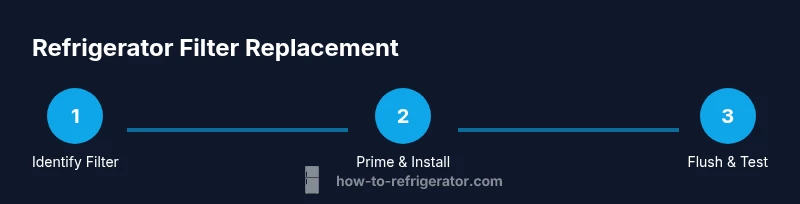
Locate your fridge model number and consult the owner's manual or manufacturer's site to find the exact filter part number. Cross-check the filter’s dimensions and connector type against the existing cartridge to ensure a proper fit. If unsure, photograph the old filter and housing for an expert confirmation.
Tip: Take a photo of the old filter label and the housing before removing it to avoid mismatches. - 2
Turn off the water supply
Before removing the old cartridge, shut off the water supply to the fridge to prevent leaks. If your fridge is connected to a dedicated valve, rotate it clockwise until it stops. A quick test with a small amount of water afterward confirms the valve is fully closed.
Tip: If the valve is difficult to reach, work from a safe space and use a towel to catch any drips. - 3
Remove the old filter
Carefully twist or lift the existing filter housing according to your model’s design. Some cartridges require a simple twist; others use a snap-in mechanism. Note the orientation arrows or markings on the cartridge for correct replacement.
Tip: Keep the old filter near the work area in case you need a quick model comparison. - 4
Prime and prepare the new filter
Remove packaging and seals from the new filter. If the manufacturer requires priming, run a small amount of water through the cartridge before installation to saturate the media and reduce initial resistance.
Tip: Some brands recommend flushing a minute or two after priming; follow the label precisely. - 5
Install the new filter
Insert or twist the new cartridge into the housing, aligning any arrows or notches. Ensure the seal is even and that the cartridge sits firmly without cross-threading. Replace the housing cover and tighten by hand, finishing with a gentle snug if necessary.
Tip: Avoid over-tightening; this can damage the gasket and create leaks. - 6
Turn the water back on and flush
Restore the water supply and run cold water through the dispenser for 2–3 minutes to purge air and any loose carbon particles. Check for leaks around the housing and ensure steady, clean water flow.
Tip: Keep a towel handy for the initial pour as a safety net for minor drips. - 7
Check for leaks and seating
Inspect the filter housing after flushing. If you notice dampness or a dripping sound, turn off the water and tighten the housing a quarter-turn more, then recheck. If leaks persist, reseat or replace gaskets as needed.
Tip: A small leak can become a big problem if ignored; address immediately. - 8
Reset indicators and verify taste
If your fridge has a filter indicator light, reset it according to the manual. Taste-test a few cups of water to ensure the flavor is clean and there is no aftertaste. If taste returns, repeat the flushing process or consult the manufacturer.
Tip: Document the date of replacement for your next cycle planning.
FAQ
How do I know if my refrigerator needs a new filter?
Most fridges indicate when a filter needs replacement via a light or alert. Additionally, signs like reduced water flow, off-taste, or cloudy ice point to replacement. If in doubt, perform a quick visual and flow check and consult the manual.
Look for a replacement light, slower flow, or odd taste; those are common indicators to replace the filter.
How often should I replace a refrigerator filter?
Most filters are designed for six months, but some models require more frequent changes depending on usage and water quality. Check the model’s guidance and track your replacements on a simple calendar.
Typically around every six months, but follow your model’s guidance and your water quality.
Can I reuse a filter after flushing it?
Reusing a filter is not recommended. Filters lose efficacy over time as media becomes saturated. Replace with a new cartridge to maintain filtration performance and water safety.
No, replace with a new cartridge for optimal filtration.
Are all filters interchangeable between brands?
Filters are typically model-specific. An incompatible filter can reduce flow or cause leaks. Always verify the exact model and part number before purchasing.
Filters aren’t usually interchangeable; check compatibility carefully.
What causes aftertaste after replacement, and how can I fix it?
Fresh filters may produce a temporary taste while the system flushes. Run water for several minutes and ensure proper priming as recommended by the manufacturer. If off-taste persists, recheck installation.
If it tastes off, flush more and verify installation.
Do I need tools to replace a fridge filter?
Most replacements require no specialized tools; many filters twist in or snap out. If your model uses a tool-free design, simply follow the manual’s instructions.
Usually no tools are needed, just follow the manual.
Watch Video
Top Takeaways
- Identify compatible filters before purchase.
- Flush after installation to remove carbon fines.
- Check for leaks and reset indicators after replacement.
- Maintain a replacement log for consistent water quality.
- Use approved brands and certifications for best results.