Refrigerator 12 Volt DC: A Complete Troubleshooting and Maintenance Guide
Meta description: Learn how to diagnose, repair, and maintain a refrigerator powered by 12V DC for off-grid setups. Step-by-step guidance, safety tips, and expert advice from How To Refrigerator.


This guide helps homeowners troubleshoot and maintain a refrigerator powered by 12-volt DC. You’ll learn how to verify your power source, inspect wiring, test the compressor, and address common cooling and defrost issues in off-grid setups. Safe procedures, essential tools, and clear steps for when to call a professional. This article emphasizes safety, energy efficiency, and practical troubleshooting actions you can perform without specialized equipment.
What is a refrigerator 12 volt dc and where it's used
A refrigerator that runs on 12-volt direct current (DC) is designed for environments where AC power isn’t readily available. You’ll typically find these units in RVs, campers, boats, small off-grid cabins, and emergency backup setups. They use a 12V fan-cooled compressor and a thermoelectric or reciprocating cooling system tailored for DC operation. In practice, the key advantages are compatibility with solar arrays and battery banks, quiet operation in tight spaces, and reduced energy waste when paired with proper energy management. According to How To Refrigerator, homeowners often choose 12V DC fridges to gain reliability on the go or in off-grid living scenarios, where understanding the power source and energy pathways matters as much as the fridge mechanics. This choice affects battery sizing, inverter use, and overall energy budgeting, so you’ll want a clear plan for charging, storage, and ventilation. The rest of this guide walks through diagnosing issues, performing safe maintenance, and deciding when repair or replacement is the better option.
Power sources and efficiency: understanding 12V DC vs AC
12V DC refrigerators operate directly from a low-voltage DC source (typically a vehicle or solar-powered battery bank). When you compare DC to AC models, key differences include wiring complexity, energy conversion losses, and the need for a reliable battery or alternator support. In many off-grid setups, a solar array charges a battery bank, which feeds the fridge through a controller or an inverter. A crucial part of maintaining efficiency is ensuring the battery is healthy and can sustain peak startup current. How To Refrigerator notes that a common mistake is underestimating battery capacity or ignoring temperature-related losses in hot environments. By prioritizing proper wiring, fuse protection, and ventilation, you reduce heat buildup and improve overall performance. LED indicators and built-in diagnostics on many DC fridges help you spot issues before they escalate, especially in remote locations.
- Bus bars and wiring gauge matter for minimizing voltage drop.
- A dedicated high-current path reduces noise and improves reliability.
- Proper venting prevents heat buildup that harms efficiency and cooling capacity.
Safety first: electrical considerations and off-grid setups
Working with 12V DC gear requires respect for electrical safety. Even though you’re dealing with low voltage, large battery packs and inverters can present hazards, including arcing, thermal stress, and potential battery sulfur buildup if chargers are misused. Always disconnect power before opening panels, wear eye protection, and avoid wet surfaces when handling exposed conductors. How To Refrigerator emphasizes using appropriate gauges for wires, securing terminals, and applying dielectric grease where connections meet metal components to prevent corrosion. If you hear strange buzzing or see sparks, stop work and re-evaluate the wiring with a professional. In RV and off-grid contexts, ensure the battery bank has adequate reserve capacity for the fridge’s startup surge and running load to prevent voltage sag that can damage electronics.
Diagnosing symptoms: not cooling, warm compartments, frost, buzzing
Not cooling or warm compartments usually indicate power delivery issues, thermostat miscalibration, or airflow blockages. Frost buildup can signal defrost cycle problems or door seal leaks. A buzzing sound may point to a loose or worn compressor, loose mounting, or an electrical fault. Start by observing when the symptom occurs (during startup, continuous operation, or after a door is opened). Compare the observed behavior with the fridge’s manual or model-specific guides. In many cases, a simple fix—like reseating connections, cleaning vents, or replacing a faulty door gasket—solves the issue. How To Refrigerator’s team has found that documenting when symptoms occur greatly speeds up troubleshooting and helps you decide whether professional service is needed.
Tools and measurements you will rely on
To diagnose effectively, you’ll need a few basic tools and measurement methods. A digital multimeter helps verify voltage at the fridge terminals and check continuity on wiring. A non-contact voltage tester provides quick safety checks before touching exposed conductors. A thermocouple or digital thermometer can track internal fridge temperatures during testing. If your setup includes an inverter, you may also monitor AC input behavior during startup. Keeping a simple log of readings, times, and observed symptoms makes it easier to see patterns and communicate with service providers if needed. How To Refrigerator recommends organizing your toolkit in a labeled storage pouch to reduce panel-scratching or misplacement during maintenance.
- Keep the battery disconnected while inspecting connections.
- Mark wires to avoid confusion on reassembly.
- Use insulated gloves when handling hot components or exposed terminals.
Step-by-step diagnostic flow for a not-cooling fridge
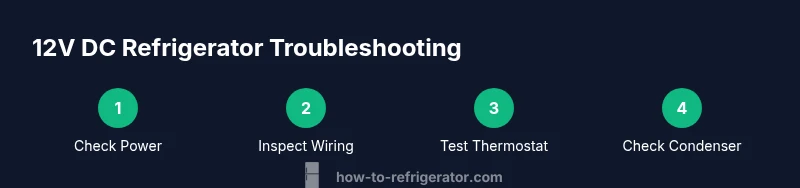
A structured diagnostic flow helps you avoid missing obvious causes. Start with verifying the power source, then inspect fuses and wiring, followed by thermostat checks. If the power path is solid, move to the compressor and cooling loop, ensuring the condenser has clean airflow. This flow keeps you focused on symptoms and reduces the risk of creating new issues during experimentation. How To Refrigerator’s tested approach emphasizes safety, methodical checks, and recording outcomes to guide next steps, whether you repair at home or decide to replace a component.
- Confirm the fridge is receiving stable 12V power.
- Inspect fuses, breakers, and battery connections for corrosion or looseness.
- Check the thermostat setting and sensor responsiveness.
Testing the power circuit and the thermostat safely
Testing the power circuit involves verifying both supply and load handling without compromising safety. Use a multimeter to confirm voltage at the fridge input, then check the wiring for signs of wear or insulation damage. For the thermostat, ensure it is calibrated correctly and responds to temperature changes by listening for the expected cycling of the compressor. If you observe a delayed or absent response, you may need to recalibrate or replace the thermostat assembly. Always disconnect power before handling internal components and recheck after reassembly to confirm you restored a safe and reliable connection.
- Test under load to see if voltage dips when the compressor starts.
- Verify the thermostat sensor placement and insulation around it.
- Document any abnormal behavior for future reference.
Common fixes that homeowners can perform safely
Many 12V fridge issues stem from simple, non-technical fixes. Clean the condenser coils and ensure the unit has clear airflow around it. Replace worn door seals and check for gaps that allow warm air in. Tighten loose mounting hardware and reseat connectors that may have vibrated loose during transit. If the issue is refrigerant-related, do not attempt a DIY repair; 12V DC systems often use sealed refrigerant loops that require certified service. How To Refrigerator stresses sticking to the manufacturer’s service guidelines for repairs and avoiding modifications that could void warranties. A methodical approach often yields a fix without the need for professional intervention.
- Clean coils every 6–12 months depending on usage.
- Replace door seals and ensure door closes fully.
- Avoid overfilling the fridge, which interferes with airflow.
When to replace parts or the entire unit and how to budget
If the compressor shows signs of failure, or multiple electrical components fail beyond simple fixes, replacement is often more cost-effective than extensive repairs. Compare parts availability, labor costs, and the age of the unit. Budget considerations should include the long-term energy efficiency of a replacement and compatibility with your power setup (solar, battery bank, inverter). How To Refrigerator recommends getting a few quotes and verifying warranty terms before proceeding. If the unit is relatively new and energy-efficient, targeted repairs may extend its life significantly; otherwise, investing in an energy-efficient model could reduce operating costs in the long run.
- Check warranty coverage on motor and control boards.
- Factor in possible future energy costs when choosing replacement.
- Consider compatibility with existing power sources (12V, solar, inverter).
Maintenance routines to extend life and efficiency
Regular maintenance keeps a 12V DC refrigerator performing reliably in variable conditions. Schedule biannual checks for vacuum seals, gaskets, and dampers, and inspect electrical connections for corrosion. Clean the cooling fins and vents to maintain adequate airflow, especially in hot climates or tight spaces. When storing the unit for extended periods, disconnect power safely, remove perishable items, and allow interior surfaces to dry to prevent mold growth. How To Refrigerator emphasizes documenting maintenance tasks as part of a rotating schedule, which simplifies future troubleshooting and helps maintain energy efficiency over time. Small, consistent actions preserve performance and extend the unit’s life.
- Create a quarterly maintenance checklist.
- Keep a log of temperature readings and door seal condition.
- Use manufacturer-approved cleaners and avoid harsh chemicals near electrical components.
Quick-start maintenance checklist
A practical checklist helps you kick off maintenance with confidence. Ensure power is disconnected, inspect door seals for tightness, clean condenser fins, and verify battery health if you’re on an off-grid setup. Check both input power and ground connections for signs of wear. Confirm proper ventilation around the unit, clear any obstructions, and review temperature settings against ambient conditions. Finally, test the unit under typical load and record results. Following these steps regularly minimizes downtime and keeps your fridge ready for travel or daily use.
Final notes and next steps
If performance is inconsistent despite following the steps above, or if you notice unusual noises, burnt smells, or liquid pooling around electrical components, pause work and consult a professional. A licensed technician can perform a refrigerant check, inspect the sealed system, and verify safety compliance with local regulations. Remember, the goal is reliable cooling with safe operation and energy efficiency. The How To Refrigerator team recommends documenting every diagnostic step and maintaining a proactive maintenance routine to prevent recurring issues.
Tools & Materials
- Digital multimeter(DC voltage and continuity tests at fridge terminals)
- Vehicle or marine battery/12V power source(For testing supply and startup surge when permitted by manufacturer)
- Non-contact voltage tester(Quick safety checks before opening panels)
- Screwdriver set (Phillips and flat-head)(For panel screws and mounting hardware)
- Nut driver set(Useful for power terminals and mounting nuts)
- Wire stripper/crimper(For repairing minor wiring insulation or splices)
- Electrical tape and dielectric grease(Insulate connections and prevent corrosion)
- Clean rags and brush(For coil and vent cleaning)
- Safety gear (gloves, eye protection)(Personal protection during inspection)
- Thermometer or infrared temp gun(Track internal temperatures during tests)
Steps
Estimated time: 45-90 minutes
- 1
Verify power source and battery health
Ensure the fridge is connected to a steady 12V supply. If using a battery bank, check charge status and connections for corrosion or looseness. Confirm there is adequate capacity to support startup surges without excessive voltage drop.
Tip: Use a multimeter to verify stable voltage at the fridge input; if readings sag under load, recharge or upgrade the power source. - 2
Inspect fuses, breakers, and wiring
Open the service access panel and visually inspect for loose terminals, burnt insulation, or corrosion on contacts. Replace blown fuses with the same amperage rating and reseat all connectors firmly.
Tip: Label wires before disconnecting anything to simplify reassembly and avoid miswiring. - 3
Check thermostat and sensor
Verify the thermostat setting is appropriate for the ambient temperature and that the sensor is properly seated and not touching metal surfaces. A drifting sensor can cause the compressor to run too long or not at all.
Tip: Calibrate the thermostat per the manufacturer’s instructions and replace if it shows inconsistent readings. - 4
Test the compressor operation
Listen for the compressor cycling on and off and feel for a stable cooling response. If the compressor doesn’t run, check the start relay or control board (if present) and inspect the power path to the compressor.
Tip: Do not apply external power directly to the compressor beyond what the unit’s control board is designed to handle. - 5
Inspect door seals and airflow
Check gaskets for cracks or gaps, and verify the door closes evenly without air leakage. Ensure vents are clear and the interior has unobstructed airflow for efficient cooling.
Tip: Clean gasket surfaces with mild detergent to restore a tight seal; replace if tearing is evident. - 6
Clean condenser coils and venting
Dusty coils reduce cooling efficiency and force the compressor to work harder. Vacuum or brush away debris and ensure surrounding space allows air to flow freely.
Tip: Do not power the unit while cleaning; allow time for any condensation to dry before powering back on. - 7
Check refrigerant health and leaks
Low refrigerant is not a DIY repair; if you suspect a leak, stop using the unit and contact a licensed technician. Signs include oily residue around fittings or frost that doesn’t clear with defrost.
Tip: Never attempt to seal or pressure-test refrigerant systems yourself. - 8
Test control components and safety switches
Inspect any high-pressure switches or control boards for signs of damage. Verify wiring to these components is secure and not routed through areas prone to heat exposure.
Tip: If a control board shows burn marks or loose connectors, replace rather than attempt patchwork repairs. - 9
Run a controlled test with load
With perishable items inside, turn the unit on and monitor temperature over several hours to confirm consistent performance. Record readings and note any unusual cycling or temperature fluctuations.
Tip: Use a temporary temperature log to capture changes and compare to expected values for your model.
FAQ
Can a standard household AC-powered refrigerator run on 12V DC?
Most household AC refrigerators are not designed for direct 12V operation. They require an inverter and a DC-compatible compressor. Check your model’s specifications before attempting operation on DC power.
Most household AC refrigerators don’t run on 12V DC without an inverter. Always verify the model specs before attempting DC operation.
What is a typical current draw for a 12V DC refrigerator?
Current draw varies by model and conditions. Refer to the nameplate for exact figures and ensure your battery and wiring can handle startup surges without voltage drop.
Draw varies by model; check the nameplate and ensure your battery and wiring can handle startup surges.
Is it safe to run a 12V fridge in an RV?
Yes. 12V refrigerators are common in RVs and off-grid setups. Ensure your system includes adequate battery capacity, proper ventilation, and safe wiring practices.
Yes, it’s common in RVs. Make sure you have enough battery capacity and proper wiring.
Why isn’t my 12V fridge cooling after a weekend off-grid?
Possible causes include a low battery state, thermostat drift, blocked vents, or a dirty condenser. Start with power delivery and airflow checks, then inspect the thermostat and coils.
If it’s not cooling after a period off-grid, start with power and airflow checks, then inspect the thermostat.
How can I prevent frost buildup in a 12V refrigerator?
Keep door seals intact, avoid overfilling, and ensure vents are clear. Defrost cycles should occur if your model has one; manual defrost may be needed for some units.
Keep seals tight, don’t overfill, and keep vents clear to prevent frost.
Watch Video
Top Takeaways
- Verify power and battery health before diagnosing cooling issues.
- Inspect wiring, fuses, and thermostat for common failure points.
- Clean coils and ensure proper airflow for best efficiency.
- Differentiate between DIY fixes and components needing professional service.
- Maintain a maintenance log to track performance and planned upgrades.