Power consumption of a refrigerator: A homeowner's guide
A comprehensive guide to understanding, measuring, and reducing the power consumption of a refrigerator with practical steps and model comparisons.


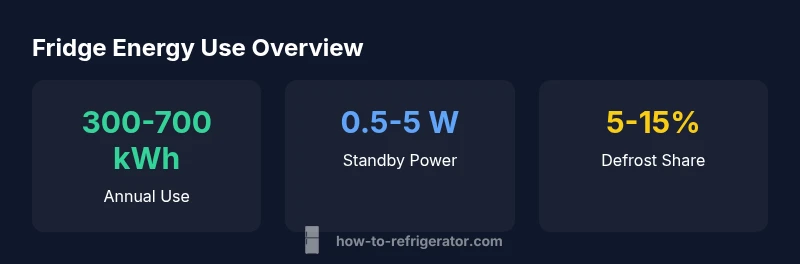
Power consumption of a refrigerator varies with size and features, but modern units typically draw a few hundred kilowatt-hours per year. This range helps homeowners estimate operating costs and compare models. According to How To Refrigerator, energy-efficient compressors and frost-free design can cut annual use significantly.
Understanding power consumption of a refrigerator
Power consumption of a refrigerator is a major driver of home energy bills, and understanding it helps homeowners make smarter choices. The topic sits at the intersection of appliance design, climate, and daily habits. According to How To Refrigerator, the power draw of a fridge is influenced by size, compressor type, insulation, defrost method, and how often the door is opened. Modern units tend to be more efficient than older models, and technological advances such as inverter compressors and frost-free systems reduce annual energy use even when capacity remains the same. The typical modern refrigerator covers a broad range of annual energy consumption, roughly a few hundred kilowatt-hours per year, which translates into noticeable differences in operating cost over the lifetime of the appliance. If you’re upgrading, you can use this information to set realistic expectations about energy bills and performance. In this guide, we’ll explain how to read energy labels, what features matter most for efficiency, and practical steps homeowners can take to lower power consumption of a refrigerator without compromising food safety or convenience.
Factors influencing energy use
Energy use in refrigerators is not fixed; it shifts with several interacting factors. First, size and layout play a big role: larger units naturally require more power, though efficiency features can offset this. Next, the type of compressor matters. Inverter or variable-speed compressors adjust cooling output to demand, saving energy during low-load periods compared with traditional fixed-speed coils. Temperature settings are also critical: most manufacturers recommend interior temperatures around 3-5°C for the fridge and -18°C for the freezer; every degree higher or lower changes energy use. Defrost systems matter as well: frost-free designs prevent ice buildup but can add running time and energy use, while manual defrost models may save energy if used carefully. Finally, usage patterns—how often you open the door, how long it stays open, and where the fridge sits relative to heat sources—can dramatically influence consumption. Ambient temperature in the kitchen and the overall insulation quality determine how hard the compressor works to maintain stable temperatures. In short, energy use is a function of design, climate, and behavior.
Measuring and estimating consumption
Reading energy labels gives a starting point for estimating consumption. Look for the annual energy consumption figure in kilowatt-hours per year (kWh/year) on the EnergyGuide label or the Energy Star rating. For a personalized estimate, multiply the label's kWh/year by your electricity rate and adjust for local climate effects. If you don’t have a label handy, you can still estimate by tracking actual usage with a plug-in meter over a representative week and extrapolating to a year. Keep in mind that actual consumption varies with door openings, thermostat settings, and ambient temperature. How To Refrigerator Analysis, 2026, emphasizes using both label data and real-world measurements to form a realistic expectation. When comparing models, use apples-to-apples comparisons, ensuring same climate and usage assumptions are applied.
Energy efficiency features to look for
When shopping, prioritize features that reduce energy use without compromising reliability. Inverter or variable-speed compressors adjust cooling to demand, slashing wasted energy during low-load periods. Frost-free designs prevent manual defrost energy tasks but may add idle energy; frost-free but efficient control strategies can balance both. LED interior lighting uses far less power than incandescent bulbs, and modern gaskets and door seals minimize cold air leaks. Larger, well-insulated walls and doors reduce heat exchange, and adjustable shelves help organize items to avoid temp fluctuations. Some models include smart controls, adaptive defrost schedules, or oasis cooling zones; weigh their energy impact against convenience and price. Finally, ensure your new fridge fits your space and has a runtime profile that matches your household patterns; a better fit saves energy even if the nominal capacity is similar.
Impact of usage patterns on consumption
How you use the fridge matters almost as much as its baseline efficiency. Frequent door openings raise the interior temperature, prompting the compressor to work harder and increase energy use over time. Storing warm foods or leaving the door open during meal prep can add several minutes of running time. Placing the fridge away from heat sources, like ovens or direct sunlight, reduces cooling load. Organizing items so airflow remains unobstructed allows the compressor to maintain steady temperatures with less effort. Even things as simple as closing the door promptly, not overfilling to block vents, and letting groceries cool before placing them inside can yield measurable savings. In practice, small daily habits compound over a month and year, making a noticeable difference in power consumption.
Practical steps to reduce power draw today
-
Check the door seals; replace worn gaskets to prevent cold air leakage.
-
Set the fridge to the manufacturer’s recommended temperature range (usually 3-5°C for the fridge, -18°C for the freezer).
-
Keep coils clean; vacuum or brush condenser coils every 6-12 months to improve heat transfer.
-
Use energy-saving modes if available and avoid leaving the door open for extended periods.
-
Place the fridge away from heat sources and ensure adequate ventilation around the appliance.
-
Consider upgrading to an energy-efficient model if the current unit is older than 10-15 years.
-
Use a smart thermostat connection or energy monitor to track consumption and optimize behavior over time.
Comparing models and reading energy labels
When evaluating refrigerator options, look beyond the purchase price and focus on energy-related metrics. The key figure is the annual energy consumption in kWh/year, which gives a apples-to-apples basis for comparison across sizes and features. Energy Star or similar efficiency ratings indicate models that meet stricter performance standards; however, energy labels can vary by climate region, so apply the same usage assumptions for a fair comparison. Also consider the defrost system and compressor type, since these influence long-term energy use. Finally, read reviews and check the manufacturer’s maintenance documentation to understand long-term reliability and energy performance. A thoughtful comparison helps you balance upfront cost with expected energy savings over the appliance’s lifetime.
When to service or replace a fridge for efficiency
Even efficient fridges benefit from periodic maintenance. Clean condenser coils, inspect door seals for leaks, and ensure proper airflow around the unit. If the appliance is older than about 10-15 years or shows signs of excessive running time, poor cooling, or frost issues, replacement with a newer, energy-efficient model may pay for itself in reduced energy costs over time. Regular defrost system checks, thermostat calibration, and gasket maintenance can preserve efficiency. By combining good maintenance with mindful usage, homeowners can keep the power consumption of a refrigerator in a healthy range while maintaining food safety.
Typical energy consumption ranges by model type
| Model Type | Typical Range | Notes |
|---|---|---|
| Standard refrigerator | 300-500 kWh/year | Older or smaller models vary widely |
| Energy Star refrigerator | 400-600 kWh/year | Efficient, balanced performance |
| Smart/inverter refrigerator | 350-700 kWh/year | Includes features but may incur minor overhead |
FAQ
What is the power consumption of a typical refrigerator?
Modern refrigerators generally consume energy in the hundreds of kWh per year, with variation based on size and features. Use the energy label and monitor usage to tailor expectations for your home.
Most modern fridges use hundreds of kWh per year; check the energy label for your model.
How can I measure my fridge's energy use accurately?
Start with the EnergyGuide label as a baseline. For precision, plug the refrigerator into a wattmeter for a representative period and annualize the result.
Use a wattmeter over a week and then annualize the result.
Does upgrading to an energy-efficient model always save money?
Energy-efficient models reduce consumption, but payback depends on usage and electricity rates. Compare incremental cost with expected annual savings to decide.
Yes, if you expect to use it long enough to recoup the extra cost.
What features most affect energy use?
Inverter compressors, frost-free systems with efficient controls, LED lighting, and tight door seals typically have the biggest impact on reducing energy use.
Look for inverter compressors and tight seals.
Is standby power important for fridges?
Standby power is small but adds up over time. Choose models with low idle consumption and unplug accessories when not in use.
Standby power matters, especially with multiple devices.
How often should I service my fridge for efficiency?
Schedule a maintenance check at least once a year or when you notice performance issues like frost buildup or temperature instability.
Annual checks help keep efficiency high.
“Efficiency gains come from better compression technology, tighter insulation, and proactive maintenance. Small changes compound into meaningful energy savings over the appliance’s lifespan.”
Top Takeaways
- Read energy labels to estimate annual use
- Choose inverter compressors for efficiency gains
- Optimize door open habits to lower draw
- Clean coils regularly to sustain performance
- Match model to space and climate for best results