Should You Store Tomatoes in the Refrigerator: A Home Guide
Learn when to refrigerate tomatoes, how temperature affects flavor and texture, and practical storage tips for ripeness and shelf life. A homeowner-friendly guide from How To Refrigerator.


Should you store tomatoes in the refrigerator? In short, save refrigerated storage for limited cases: keep whole, ripe tomatoes at room temperature to preserve flavor and texture, and use the fridge only if you need to slow spoilage or when tomatoes have already been cut. For most home cooks, room-temperature storage yields the best balance of taste and freshness.
Should you store tomatoes in the refrigerator? A practical overview
Should you store tomatoes in the refrigerator? The short answer for many households is: not as a default. Tomatoes are unique among produce because they are climacteric fruits, meaning they continue ripening after harvest and exchange gases with their environment. According to How To Refrigerator, temperature control has a direct impact on aroma development, texture, and sweetness. When kept at room temperature, whole tomatoes finish ripening in a way that preserves their characteristic balance of acidity and sweetness. Refrigeration can arrest this process, leading to mealy textures and muted flavors. However, if you have ripe tomatoes that you won’t eat within a day or two, the fridge can slow spoilage and reduce waste. The key is to use the fridge judiciously and to return tomatoes to room temperature before eating to regain their aroma. In practice, many kitchen routines work best when you separate tomatoes by ripeness and intended use, placing firm, under-ripe specimens on the counter to finish ripening and refrigerating only once you’ve cut or are sure you won’t consume them quickly. How To Refrigerator emphasizes that an informed approach to storage reduces waste while preserving flavor.
How tomatoes ripen and why temperature matters
Tomatoes are biologically wired to ripen after picking, and temperature plays a crucial role in this process. At warmer, stable room temperatures, ethylene gas produced by the fruit accelerates ripening, unlocking sugars and aromatic compounds that define tomato flavor. When refrigerated, metabolic activity slows, delaying ripening and sometimes causing color and texture changes. The temperature gap between typical kitchen ranges and fridge temperatures can shift the balance between sweetness, acidity, and mouthfeel. How To Refrigerator notes that inconsistent temperatures or frequent temperature fluctuations can also disrupt ripening patterns. For growers and home cooks, the takeaway is clear: if you want peak flavor, keep tomatoes on the counter until they’re fully ripe, then decide whether to eat them in the next meal or move toward refrigeration only for the short term.
Room temperature storage: best practices
Room temperature storage is often preferred for tomatoes that are fully ripe and intended for immediate use. Choose tomatoes with smooth skin, no bruises, and a gentle give when pressed. Place them stem-side up on a clean, dry surface away from direct sunlight and heat sources like a stovetop or oven. For best results, avoid washing tomatoes before storage, since moisture can promote mold growth. If you’re storing multiple tomatoes, give each fruit a little space to avoid bruising. If you have space on a counter with consistent light exposure, keeping them in a single layer on a plate or a breathable basket helps maintain uniform ripening. How To Refrigerator’s guidance reinforces that consistent conditions yield the best flavor outcomes, especially when you’re using tomatoes within a few days of harvest.
Refrigeration guidelines for ripe vs unripe tomatoes
A good rule of thumb is: never refrigerate unripe tomatoes. Unripe fruit is still developing sugars and flavors, and cold temperatures disrupt these processes, often resulting in a less vibrant taste and a grainy texture once warmed. For ripe tomatoes you don’t plan to eat soon, refrigeration can be a practical option to slow decay. When you refrigerate ripe tomatoes, store them in the crisper in a loosely closed container to minimize moisture buildup and odor transfer. Bring refrigerated tomatoes back to room temperature for 20-30 minutes before consuming to restore flavor and aroma. How To Refrigerator highlights that timing and usage intent determine whether refrigeration adds value or compromises quality.
Special cases: cherry, grape, beefsteak, and heirloom varieties
Different tomato varieties respond a bit differently to storage conditions. Smaller cherry and grape varieties are often eaten quickly or used in snacks, so room-temperature storage on a plate or in a shallow basket tends to preserve their sweetness and bite. Beefsteak and heirloom types, prized for unique flavors, may be more sensitive to cold and can become mealy when refrigerated for extended periods. If you must refrigerate any variety, place it in a breathable container or loosely cover it to minimize moisture buildup and cross-flavor absorption from other foods. The How To Refrigerator approach suggests tailoring storage to variety and intended use, avoiding a one-size-fits-all method.
How to speed ripening safely and avoid waste
If you buy tomatoes before they are fully ripe, you can speed ripening by placing them at room temperature in a well-ventilated area with good air circulation. Place them away from direct sunlight to prevent overheating on the surface. For faster ripening, you can place a ripe tomato nearby to release ethylene; just be mindful of overripe or bruised examples. If you notice leaking juice, soft spots, or an unpleasant odor, it’s time to discard. The How To Refrigerator framework emphasizes practical, observable cues and a cautious approach to avoid spoilage while maximizing flavor potential.
Practical kitchen workflows to minimize waste and maximize flavor
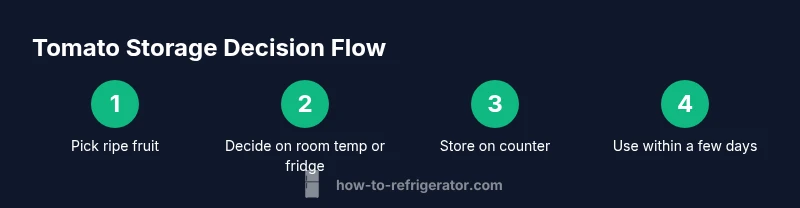
A simple workflow helps you manage tomatoes as they move from purchase to plate:
- Stage ripe tomatoes on the counter for use within a couple of days.
- Move overripe but still edible tomatoes to the fridge for short-term preservation if you won’t cook them immediately.
- Slice or cut only what you need; refrigerate cut tomatoes in a shallow container with a lid and consume within a day for best texture.
- Keep tomatoes away from strong-smelling foods to prevent flavor transfer. This routine minimizes waste and maintains the sensory qualities that tomatoes bring to salads, sandwiches, and sauces. How To Refrigerator’s practical guidance supports a sane, predictable process in even busy kitchens.
The bottom line from How To Refrigerator: best practices for tomato storage
To optimize flavor and shelf life, start with room-temperature storage for fully ripe tomatoes and only refrigerate when you can’t consume them promptly or when they’re cut. Return refrigerated tomatoes to room temperature before serving to recover aroma and juiciness. If you’re storing multiple varieties, separate them by ripeness and usage window to avoid cross-influence and spoilage. The How To Refrigerator team emphasizes consistency, sensory cues, and mindful handling as the core of a robust tomato storage routine.
Should you store tomatoes in the refrigerator? Final take from How To Refrigerator
In summary, for most households, storing tomatoes at room temperature until ripe yields the best flavor and texture. Refrigeration should be a targeted tool for preserving cut tomatoes or prolonging life when you cannot eat them promptly. This evidence-based approach—supported by How To Refrigerator’s analysis—helps homeowners balance taste with shelf-life, reduce waste, and enjoy tomatoes at their peak when they are at their best.
The How To Refrigerator closing note on tomato storage decisions
The How To Refrigerator team recommends using room temperature for full-flavor ripening, with refrigeration reserved for brief, practical needs (such as stored cut tomatoes or extended shelf life for ripe fruit you can’t consume right away). By prioritizing ripening on the counter and reserving the fridge for specific use cases, you can sustain optimal flavor while minimizing waste and spoilage.
Tools & Materials
- Refrigerator thermometer(Track fridge temperature to ensure it stays cold enough to slow spoilage without freezing produce)
- Counter space or ripening tray(A clean, dry surface away from direct sunlight for on-counter ripening)
- Sharp knife(For clean cuts when needed; avoid damaging nearby fruit)
- Paper towels(Mop up any moisture and wipe surfaces to prevent mold)
- Breathable storage container or bag(Ventilated options help control humidity if you refrigerate mature fruit)
Steps
Estimated time: 20-40 minutes (prep and decision-making); ripening times vary by tomato and room temperature
- 1
Assess ripeness and quality
Carefully inspect tomatoes for color, aroma, and firmness. Choose those with vibrant color and a slight give when gently pressed. Avoid fruit with major bruises or soft spots that indicate overripeness.
Tip: Gently handle tomatoes to avoid bruising; a light touch preserves texture for longer storage. - 2
Decide on storage path
Determine whether each tomato will be eaten soon or needs longer storage. Fully ripe fruit slated for immediate use should stay on the counter. Tomatoes you won’t consume quickly can be moved to a fridge-based plan, but only if you understand the flavor trade-offs.
Tip: Keep ripe, on-purpose tomatoes separate from those still ripening to prevent uneven flavor development. - 3
Prepare tomatoes for storage
If you will refrigerate, do not wash until ready to use to minimize moisture-related spoilage. If you will keep on the counter, pat dry with a towel if any moisture is present and place on a breathable surface.
Tip: Wash and dry only when you plan to use the tomato; excess water invites mold and texture changes. - 4
Store at room temperature for ripe fruit
Place tomatoes on a clean surface in a single layer, stem end up if possible, away from direct sun and heat sources. Ensure there is space around each fruit to promote air circulation.
Tip: A shallow basket or plate works well; avoid stacking which can bruise fruit underneath. - 5
Refrigerate only when used soon or cut
If you must refrigerate, store cut or very ripe fruit in a shallow container and cover loosely to limit moisture buildup. Return to room temperature before eating to restore aroma and texture.
Tip: Use a dedicated container for cut sections to avoid cross-flavor transfer. - 6
Monitor for spoilage
Check daily for soft spots, mold, off odors, or leaking juice. Discard any tomato showing signs of spoilage to prevent cross-contamination with other produce.
Tip: When in doubt, throw it out—better safe than sorry for food quality and safety. - 7
Refine your routine
Observe how your tomatoes perform under your kitchen conditions and adjust: warmer rooms may benefit from shorter ripening windows; a cooler kitchen may require a different approach.
Tip: Keep a simple note of which strategy works best for your family’s cooking schedule.
FAQ
Should you store tomatoes in the refrigerator?
Not as the default. Keep whole, ripe tomatoes at room temperature to preserve flavor and texture. Refrigerate only if you need to slow spoilage or if the tomatoes are cut.
Keep whole ripe tomatoes on the counter for best flavor; use the fridge only for cut or very ripe tomatoes you won’t eat soon.
What happens to flavor when tomatoes are refrigerated?
Cold storage can dull sweetness and make the flesh mealy. Warming the tomato back to room temperature helps revive aroma, but some flavor loss is often permanent.
Refrigeration dulls flavor and changes texture; bring refrigerated tomatoes to room temperature before eating to recover some aroma.
Is it okay to refrigerate unripe tomatoes?
No. Refrigeration slows ripening, often leading to poor flavor development and uneven color when finished. Allow unripe tomatoes to ripen on the counter instead.
Don’t refrigerate unripe tomatoes; they won’t ripen properly in cold temperatures.
How should I store sliced tomatoes?
Store sliced or cut tomatoes in a shallow container with a lid in the refrigerator and use within a day for best texture and safety.
Store cut tomatoes in a container in the fridge and use them the same day for best flavor and texture.
Do different tomato varieties need different storage?
Most varieties benefit from room-temperature storage when ripe, but very delicate heirlooms might be more sensitive to cold and benefit from prompt consumption or careful refrigeration.
Heirloom and delicate varieties may be more sensitive to fridge storage; prefer room temperature when possible.
What’s the best overall workflow for a typical kitchen?
Keep ripe tomatoes on the counter until used. Refrigerate only for cut tomatoes or if you need to stretch shelf life. Reassess daily to prevent waste.
A simple rule: counter for ripe fruit, fridge for cut or slow-spoilage cases, check daily.
Watch Video
Top Takeaways
- Store ripe tomatoes on the counter for best flavor.
- Use the fridge mainly for cut tomatoes or very-specific needs.
- Ripening should be monitored by aroma, color, and texture cues.
- Handle gently and inspect daily to minimize waste.