Choosing the Right Refrigerator for Your Garage: A Practical Guide
Learn how to pick, install, and maintain a garage-ready refrigerator with practical steps, space planning, and maintenance tips for reliable cooling in non-climate-controlled spaces.


You're about to learn how to pick and install a refrigerator that works reliably in a garage. We'll cover garage-rated features, space planning, electrical needs, and maintenance steps so you can buy confidently and avoid common pitfalls. By the end, you'll know how to choose a garage fridge that stays cold in summer and resists humidity.
Why a Garage-Ready Refrigerator Matters
Garages are not climate-controlled rooms, and that reality shapes every choice you make when shopping for a refrigerator. Temperature swings can push the compressor to run more often, humidity can promote condensation on coils, and dust can clog vents if the unit isn't protected. A garage-ready model is designed with harsher environments in mind: thicker insulation, heavier-duty door seals, and components rated for higher ambient temperatures. This doesn't just preserve food quality; it also helps the appliance last longer and operate more efficiently. According to How To Refrigerator, a thoughtful garage setup starts with choosing models clearly rated for non‑climate controlled spaces. Look for specifications such as minimum and maximum operating temperatures, frost control, and corrosion-resistant coils. In practice, you’ll want a unit that can maintain a stable interior temperature close to 37°F for fresh items, with a reliable freezer section if you intend to stock frozen foods. Avoid indoor-only units that advertise only a quiet kitchen persona. By prioritizing garage-rated features, you reduce compressor wear on hot days and gasket failures in cold snaps. This initial scoping saves money and frustration, nudging you toward a long-lasting, dependable garage fridge.
Key Differences Between Garage and Indoor Refrigerators
Garage refrigerators are built to survive exposure to dust, humidity, and broad ambient temperatures, while indoor models assume controlled environments. You’ll notice tougher door gaskets, more robust compressors, and often slightly larger footprints to accommodate extra insulation. Energy efficiency matters here too, but the thermostat range among garage-rated units tends to be broader. In hot weather, a garage fridge must reject heat more effectively; that often means thicker insulation, improved condenser coils, and sometimes a bottom-mreeze design to aid airflow. How To Refrigerator analysis shows that even small design choices—such as coil coating or airflow clearance around the back—can influence reliability in garages. When comparing, check the stated operating temperature ranges and ensure the model is advertised as garage-rated or outdoor-rated if you plan to put it in a garage with high heat or humidity. Also consider exterior features like anti-corrosion trim and a door with a tighter seal. Remember: garage units aren't just larger; they're engineered for tougher climates, so their long-term performance can exceed that of a standard kitchen refrigerator in non-temperature-controlled spaces.
Temperature Control and Insulation Essentials
Maintaining a stable interior temperature requires accurate thermostats and solid insulation. Look for models with dual-temperature control for separate
Sizing, Energy Use, and Durability Considerations
Start with space planning: measure the installation footprint accurately, including door swing clearance and ventilation space. For garage use, you may prefer a slightly larger capacity to store seasonal items or bulk purchases, but avoid oversized units for small garages. Energy efficiency remains important; even with a garage environment, look for Energy Star-rated models and thicker insulation. Durability matters too: metal shelving, corrosion-resistant coatings, and reinforced door hinges help longevity in dusty, humid spaces. Remember that garage outlets should be on a dedicated circuit if possible, to avoid tripping breakers when the fridge runs. When evaluating energy consumption, review the annual
Install, Location, and Safety Tips
Pick a level, stable surface away from heat sources, direct sunlight, and dusty floors. Place the unit where air can circulate behind and around it; maintain at least a few inches of clearance on the back and sides. Use a grounded, dedicated outlet, ideally GFCI-protected, and avoid extension cords for garage installations. Surface protection matters too: use a concrete pad or heavy mat to dampen vibrations and reduce movement on rough floors. During installation, verify the door opens in a convenient direction and that there is room to remove shelves if needed. If you observe condensation or frost buildup during initial operation, check door seals and thermostat settings. The How To Refrigerator team notes that proper leveling—front feet slightly higher than the back—helps with door alignment and energy efficiency. Finally, consider a simple anti-tip strap kit for homes with pets or kids to prevent tipping.
Maintenance Routine for a Garage Fridge
Set a repeatable maintenance schedule to keep the garage fridge operating reliably. Weekly, inspect the door gaskets for cracks or gaps and wipe them clean; a tight seal prevents cold air from leaking out. Monthly, vacuum or brush the condenser coils if accessible; dusty coils force the compressor to work harder and shorten life. quarterly, check the interior thermometer against a separate fridge thermometer and adjust temperatures if you notice drift. Annually, wipe down the door seals, clean the drain hole if defrosted, and inspect the fan and coils for corrosion. If your unit has an automatic defrost feature, verify it’s functioning by observing any frost buildup over time; chronic frost indicates a sealing problem or a failing thermostat. In summer heat, occasionally test the interior temperature with a separate thermometer, especially in detached garages where exposure to sun can push ambient temperatures higher. How To Refrigerator’s guidance emphasizes a simple, proactive maintenance routine to extend the life of a garage fridge.
Budgeting and Where to Buy
Prices for garage-ready refrigerators vary by size, features, and warranty coverage. Expect to find mid-range models with robust insulation and reliable compressors in a broad price band, while premium units offer extra durability and advanced controls. When budgeting, account for energy costs, potential installation modifications, and a spare shelf or two for bulky items. Shopping around, compare nationwide retailers and appliance outlets, and don’t forget to check delivery options and return policies. It may be worth waiting for sale events or manufacturer rebates on garage-rated models. If space is limited, consider under-counter or compact garage fridges that still advertise garage-rated specs. How To Refrigerator analysis suggests evaluating total cost of ownership over time—insulation, seals, and compressor reliability drive long-term expenses far more than upfront price. For a detached garage or workshop, you may want to invest a bit more in a model designed for that environment rather than forcing a standard indoor fridge into service.
Troubleshooting Common Garage-Fridge Issues
Not cooling or inconsistent temperatures are the most common complaints in garage setups. Start by checking the thermostat settings and door seals; a leaky seal is a frequent culprit in warm garages. Listen for unusual noises that could indicate a failing fan or compressor bearing; a humming or grinding sound deserves closer inspection. If frost builds up or the freezer seems overworked, verify the defrost cycle and ensure the drain is clear from debris. Dusty coils or blocked vents can cause overheating; gently clean the condenser and ensure airflow around the unit’s back and sides. If the fridge runs constantly in hot weather, consider raising the internal setpoint slightly or moving the unit to a location with better shade and airflow. In some cases, internal components may fail and require professional service. The How To Refrigerator team recommends documenting symptoms, then testing one change at a time to identify root causes. With a proper diagnostic approach, most garage-fridge issues can be resolved without costly replacements.
Final Checklist Before You Buy
Before purchasing, measure space, verify electrical readiness, and confirm garage-rated specs. List must-have features: temperature stability, adequate freezer capacity, sturdy shelves, tight door seals, and a warranty that covers rugged environments. Check the model’s ambient temperature rating, defrost method, and energy efficiency. Factor in your climate: a hotter garage requires better insulation and airflow. Compare at least three models, read user reviews focusing on garage use, and confirm delivery and setup options. Plan for routine maintenance and keep a spare door seal or gasket on hand. How To Refrigerator’s verdict is clear: prioritize durability, reliability, and proper installation over aesthetic appeal when choosing a garage fridge. This practical approach reduces the risk of failure and adds long-term value to your garage workspace.
Tools & Materials
- Tape measure(Measure space including door swing and clearance)
- Level(To ensure the fridge sits evenly)
- GFCI-protected outlet(Dedicated circuit preferred)
- Drill/driver(For mounting foot pads or anti-tip straps)
- Screwdriver set(For adjustments and door hinges)
- Vacuum or brush for coils(Keep coils clean periodically)
- Thermometer or fridge thermometer(To monitor temps)
- Anti-vibration mat(Reduces movement on uneven concrete)
- Spare door gasket kit(For maintenance repairs)
Steps
Estimated time: 2-4 hours
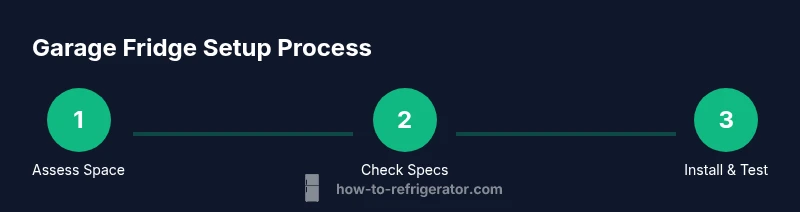
- 1
Define capacity and space
Measure available space, including door swing, ventilation clearance, and any shelving nearby. Decide on a capacity that fits your storage needs without crowding the garage. This early planning helps prevent a unit that's too large or too small for the space.
Tip: Write down exact dimensions and draw a simple layout to compare models quickly. - 2
Check electrical readiness
Ensure there is a grounded, dedicated outlet nearby. If you lack one, plan for installation or a certified electrician to add a GFCI-protected outlet. Do not rely on extension cords for garage fridges.
Tip: Test the outlet with a small appliance before buying to confirm voltage stability. - 3
Compare garage-rated features
Look for models with higher ambient temperature tolerance, robust door seals, and coil protection. Compare insulation thickness and defrost methods, and verify warranty terms for rugged environments.
Tip: Flag models explicitly labeled for garage or outdoor use in their specs. - 4
Measure installation footprint
Reconfirm that the chosen model will fit in the intended spot with clearance for ventilation and door opening. Plan for anti-tip measures if children or pets are present.
Tip: Leave at least 2-3 inches behind and on the sides for airflow. - 5
Prepare the installation area
Clear dust and debris from the area, lay down a stable surface, and place a pad or mat to minimize vibration on concrete floors. Level the unit front-to-back and side-to-side.
Tip: Use a bubble level and adjust leveling feet slowly until perfectly even. - 6
Position and level the fridge
Slide the unit into place with care; avoid bending the doors. Confirm that the door opens without obstruction and that shelves can be accessed easily.
Tip: Lightly grease the door hinges if they squeak after placement. - 7
Power up and test
Plug in to the dedicated outlet and power on. Use a thermometer to check interior temps after the unit stabilizes for a few hours. Adjust setpoints if needed.
Tip: Avoid loading the fridge heavily for the first 24 hours to allow stabilization. - 8
Program temperature and monitor
Set the fresh-food compartment around 37°F and verify the freezer is at the recommended range. Keep an eye on temps during hot days and adjust as needed.
Tip: Keep a log for the first week to catch any drift or cycling issues early.
FAQ
Can I use a standard indoor refrigerator in a garage?
A standard indoor fridge can work in a garage only if it is rated for garage conditions; otherwise it may struggle with high temperatures and humidity.
A kitchen fridge isn’t usually built for garages; choose a model rated for garage use.
What temperature should a garage refrigerator be set to?
Aim for roughly 37-38°F for the fresh compartment and check the freezer's target temperature per manufacturer specs.
Keep the fridge around 37 to 38 degrees, and set the freezer per the label.
Do garage fridges need a special outlet or circuit?
Use a grounded outlet on a dedicated circuit if possible; avoid extension cords in garages for safety and reliability.
Use a proper grounded outlet on a dedicated circuit; no cords from other outlets.
Is a garage-rated freezer necessary?
If you plan to freeze items in a garage, select a model designed for high ambient temperatures and humidity.
If you’ll freeze things in a garage, pick a garage-rated freezer.
How can I improve energy efficiency in a garage fridge?
Keep doors sealed, avoid overfilling, and ensure proper airflow; choose models with good insulation and an efficient compressor.
Keep seals tight, don’t overfill, and pick an efficient model with good insulation.
What maintenance should I schedule?
Clean coils yearly, inspect seals, and test temperatures to prevent drift.
Clean coils and check seals yearly, and monitor temps.
Watch Video
Top Takeaways
- Assess garage conditions before buying.
- Choose garage-rated models with strong seals and insulation.
- Plan for ventilation and proper electrical setup.
- Monitor temperatures and maintain the unit regularly.
- Prioritize durability and reliability over aesthetics.