How to Know a Good Refrigerator: A Homeowner's Guide
Learn how to identify a good refrigerator with a practical, easy-to-follow checklist. We cover temperature stability, door seals, energy efficiency, and maintenance tips to help homeowners choose the right model.


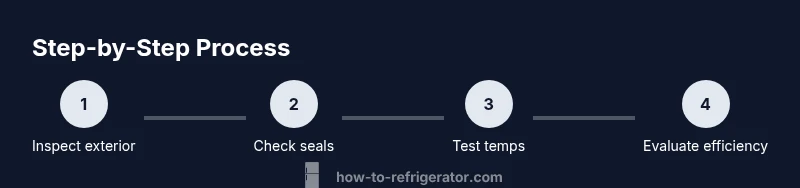
By the end, you’ll know how to tell a good refrigerator from a mediocre model by testing temperature consistency, door seals, energy efficiency, and interior layout. You’ll compare models with a practical checklist and simple home checks you can perform without tools. Before you start, gather a thermometer, a tape measure, and a notebook to record results.
What makes a good refrigerator?
If you’re wondering how to know a good refrigerator, start with core performance criteria: stable temperatures, airtight door seals, efficient energy use, and practical interior layout. A model that keeps temperatures consistent in both the fridge and freezer compartments, closes tightly without drafts, and offers shelf space you can reconfigure for different family needs is generally a strong choice. According to How To Refrigerator, the best refrigerators balance reliability with efficiency and ease of maintenance. This frame of reference helps homeowners avoid paying for bells and whistles that don’t improve everyday performance. Remember, a good refrigerator should fit your household habits as well as your kitchen’s footprint. A well-chosen unit reduces food waste and keeps operating costs predictable over time.
Key indicators of quality: build, energy, and features
Quality construction often shows up in how the cabinet aligns, how sturdy the doors feel when opened, and how well shelves support heavy items. Look for solid door gaskets that create a tight seal with minimal effort. Features matter, but not at the expense of reliability: adjustable shelves, a well-lit interior, and a well-placed crisper drawer are practical benefits. Energy efficiency is a major ongoing cost driver; a good refrigerator typically has a clear energy rating label and notes on compressor efficiency. If a unit feels flimsy or doors rub against the frame, that can be a warning sign. How To Refrigerator Team emphasizes that durable hinges, smooth door operation, and easy-access condenser cleaning are tangible markers of long-term value.
Reading specs: energy guides, volumes, and features
Specs tell you how a fridge will perform in real life. Start with capacity and layout (shelves, door bins, and drawer space) to ensure it fits your groceries. Temperature ranges printed on the label should align with safe food storage guidelines, and the energy efficiency rating provides a sense of long-term running costs. If a model includes advanced features (like dual evaporators, precise humidity controls, or smart sensors), weigh their usefulness against potential maintenance needs. As you compare, focus on clarity of the spec sheet and consistency between marketing claims and technical data. How To Refrigerator analysis shows that well-documented specs correlate with better real-world reliability.
Practical tests you can run at home
Conduct quick, non-destructive tests to gauge performance. Use a calibrated thermometer to check fridge temps (aim for 37–40°F in the main compartment and 0°F in the freezer, if specified by the manufacturer). Do a door-seal test by closing the door on a thin piece of paper or a dollar bill; if it slides out easily, the seal may be weak. Listen for consistent, low-level fan noise and avoid obvious rattles or thumps. If you have access to the energy label, verify the declared efficiency and compare it with similar models. These simple, at-home checks give a practical preview of how the refrigerator will behave under normal use.
Maintenance habits that extend life
Regular maintenance is as important as the initial purchase. Keep condenser coils clean and free of dust, which can improve cooling efficiency and reduce noise. Check door seals periodically and replace damaged gaskets promptly to preserve energy savings. Clean the interior and gaskets with mild soap and water, and avoid harsh chemicals that could degrade seals. Document recommended filter replacements if applicable and stay on a routine cleaning schedule. How To Refrigerator Team notes that proactive care often yields the biggest payoff in performance and longevity.
How to compare models for your needs
Create a simple decision checklist that matches your household needs: freezer space vs. fridge space, energy use, noise level, and reliability history. Use your measurements and notes from tests to compare models side-by-side. Prioritize efficiency and durability over cosmetic features, and factor in installation space, door swing, and electrical requirements. If you must choose between similar models, lean toward the one with a better track record for longevity and a clearer maintenance path. The How To Refrigerator Team recommends keeping a short list of non-negotiables and testing any unit against them to avoid buyer’s remorse.
Debunking myths and avoiding buyer’s traps
Many buyers assume that bigger is always better or that more features guarantee better performance. Real-world reliability depends on how the unit is built and how well it is maintained, not just its feature count. Don’t rely solely on glossy ads; verify performance with a hands-on checklist and documented specs. Beware of models with aggressive discounting or unclear warranty terms. How To Refrigerator emphasizes focusing on core performance metrics, service availability in your area, and reasonable maintenance costs to avoid surprises after purchase.
Tools & Materials
- Notebook and pen(Record measurements, test results, and model notes)
- Measuring tape(Check exterior dimensions and clearance in your kitchen)
- Thermometer (fridge/freezer)(Monitor temperatures in different shelves if available)
- Access to model specs or brochures(Helpful for verifying capacity and energy ratings)
- Smartphone or tablet for quick lookups(Optional for cross-checking energy labels and features online)
Steps
Estimated time: 30-60 minutes
- 1
Inspect exterior and door seals
Examine the cabinet for even gaps and sturdy hinges. Open and close each door a few times to assess smooth operation. Check the door gaskets for tears or loss of elasticity, which can waste energy and compromise cooling.
Tip: Gently tug at seals around the edge; if air rasps through, seal needs replacement. - 2
Check interior layout and capacity
Count usable shelves and door bins; ensure there is flexible space for large containers. Confirm crisper drawers and meat/cheese compartments are sized for your typical groceries. A well-organized interior reduces food waste and improves usability.
Tip: Simulate a grocery load with common items to see if spacing works for your family. - 3
Verify energy labeling and performance
Read the energy guide label and compare efficiency ratings with similar models. Note the compressor type and the anticipated running cost based on your local electricity rate. Higher efficiency often translates to lower operating costs over time.
Tip: Keep a small reference sheet handy when comparing models to avoid mixing numbers. - 4
Test temperature stability
Place a thermometer in the main fridge and freezer compartments and log readings for several hours. Ensure temps remain within manufacturer-recommended ranges. Sudden swings or persistent cold spots indicate potential refrigeration issues.
Tip: Do multiple checks at different times of day to account for usage patterns. - 5
Assess noise and vibration
Listen for consistent operation; loud buzzing or rattling can indicate mechanical wear or improper placement. Check that the unit is level and that fans are unobstructed. Noise levels often correlate with long-term reliability.
Tip: Place the fridge on a level surface or adjust feet to minimize vibration. - 6
Review maintenance needs
Identify how often filters must be replaced and whether coils require periodic cleaning. Look for a straightforward maintenance schedule in the manual. Simpler maintenance paths reduce future hassle and cost.
Tip: Set calendar reminders for routine maintenance to stay on track. - 7
Create a model comparison checklist
List your must-haves (capacity, energy efficiency, noise) and nice-to-haves (smart features, ice maker). Compare models using the same criteria to ensure an apples-to-apples evaluation. This makes final decisions clearer and faster.
Tip: Use a side-by-side comparison sheet and add personal notes for each model.
FAQ
What defines a good refrigerator quality?
A good refrigerator maintains stable temperatures, seals tightly, uses energy efficiently, and offers practical storage. Reliable hinges and easy maintenance are also strong indicators of long-term value.
A good refrigerator keeps temperatures steady, seals well, and is energy efficient. Look for reliable construction and easy maintenance.
Should energy efficiency be prioritized over capacity?
Energy efficiency generally lowers running costs and improves overall ownership experience. Balance it with your family’s storage needs to avoid buying a model that’s too small or too large.
Energy efficiency saves money over time, but make sure the fridge fits your space and storage needs.
How important are door seals and condenser coils?
Tight door seals prevent cold air loss, reducing energy use. Clean condenser coils regularly to maintain cooling efficiency and prevent overheating.
Good door seals save energy, and clean coils help the fridge run efficiently.
Is it better to buy new or used for reliability?
New refrigerators typically offer current energy efficiency, reliable performance, and full warranty. Used units may come with unknown issues and limited or no warranty.
New is generally safer for reliability and energy use; used can be cheaper but riskier.
How long do refrigerators typically last?
Most refrigerators provide many years of service when properly maintained. If cooling declines or repairs become frequent, replacement may be more cost-effective.
They can last many years with good maintenance; if repairs are frequent, replacement may be wiser.
Watch Video
Top Takeaways
- Define non-negotiables before shopping
- Prioritize temperature stability and seals
- Compare energy efficiency alongside capacity
- Use a simple home test to preview performance
- Regular maintenance boosts longevity