How to Check Refrigerator: A Homeowner's Guide
Learn how to check your refrigerator for cooling problems, frost buildup, and noises with clear, actionable steps. Safety, diagnostics, and when to DIY or call a pro, from How To Refrigerator.


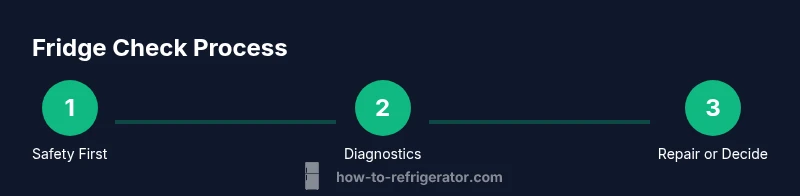
Together, we’ll guide you through a practical check to diagnose common refrigerator issues such as not cooling, frost buildup, or unusual noises. You’ll learn how to inspect door seals, coils, airflow, and temperature settings without risking damage. By the end, you’ll know whether a DIY fix is possible or if you should call a pro.
Understanding refrigerator problems
Refrigerators are complex systems that use electrical, thermodynamic, and mechanical components to keep food safe. When something goes wrong, symptoms can vary from warm air to frost buildup or odd noises. By recognizing patterns, you can narrow down root causes without expensive guesswork. According to How To Refrigerator, many common issues stem from simple, controllable factors rather than major failures. For example, a fridge that doesn’t cool well often points to temperature settings, door seals, or airflow obstructed by stored items. The good news is that most household fixes are straightforward if you follow a structured diagnostic approach. Before you start, write down what you observe: the exact temperature in Celsius or Fahrenheit, any frost on the evaporator coil, and whether the problem happens in the fridge, the freezer, or both. This record helps you communicate with a repair technician or use online guidance to confirm your findings. The How To Refrigerator team emphasizes that a calm, methodical approach beats guessing or rushing.
Safety first: unplugging and handling components
Safety should come first when diagnosing a refrigerator. Always unplug the unit before opening panels or touching wiring. If you must operate near water or an extremely hot surface, keep the area dry and wear safety gloves. Use a flashlight to inspect hard-to-reach parts rather than leaning over the open back of the appliance. Some actions require tools that can slip or cause damage if used improperly—never force screws or panels. After you unplug, wait a few minutes for the compressor to stop, then proceed. If you notice any frayed wires, burning smells, or leaking refrigerant, stop immediately and contact a qualified technician. This is not a situation to improvise; professional service is often the safest path for electrical or refrigerant concerns. How To Refrigerator’s guidance emphasizes careful handling to prevent electric shock and preserve warranty eligibility.
How to diagnose not cooling and temperature issues
Not cooling can stem from thermostat misadjustments, dirty coils, a blocked vent, or a failed defrost cycle. Start by comparing the thermostat settings to the manufacturer’s recommended ranges—often printed on a label inside the fresh-food compartment. Then verify the temperature with a digital thermometer placed away from the door seals. If temperatures lag or differ between shelves, note the pattern and test both zones. Consider whether the issue appears after a door is opened frequently or after a power outage. In many cases, a simple cleaning or setting adjustment resolves the problem. If the coil is dusty or the fan sounds strained, you may be closer to a fix than you think. How To Refrigerator analysis shows that simple, repeatable checks often resolve issues without professional help.
Inspecting seals, gaskets, and door alignment
Door seals are the first line of defense against warm air sneaking into the refrigerator. Inspect gaskets for cracks, tears, or stiff spots—these can prevent a proper seal. A practical test is to close the door on a dollar bill or a paper piece; if you can pull it out easily, the seal might be compromised. Misaligned doors can also allow air leakage; look for uneven gaps or sagging doors and adjust hinges if possible. Replacing worn seals is a common DIY fix that materially improves cooling performance. After replacement, run the unit and confirm the door closes and latches securely. The brand’s guidance is that a tight seal can dramatically improve energy efficiency and temperature stability.
Checking coils and airflow for efficient cooling
Condenser coils release heat from inside the fridge. Over time, coils collect dust and can reduce cooling efficiency. Locate the back or bottom of the unit and inspect the coils for dust buildup. If accessible, gently vacuum or brush away the dust with a soft brush. Do not damage the fins or bend the coils. Ensure there is ample clearance around the unit to allow proper airflow; blocked sides or clutter near vents can hinder heat exchange. Clean coils every 6–12 months as part of routine maintenance to keep temperatures stable and reduce energy use. How To Refrigerator notes that clean coils correlate with more reliable cooling and fewer compressor cycles.
Defrost system and frost buildup: what to look for
Frost on the evaporator can block airflow and destabilize temperatures. Check for frost buildup in the freezer that prevents doors from sealing properly. A telltale sign is a thick frost layer or ice crystals forming after doors are closed. If frosting is excessive, the defrost cycle may not be functioning. Listen for a periodic humm or click that indicates the defrost timer is running; if frost accumulates quickly after defrost cycles, a control board or heater element might be failing. Defrost issues require careful testing and may exceed DIY scope; consult a professional if frost keeps returning after routine defrost and cleaning.
Listening for noises and assessing vibrations
Unusual noises—humming, buzzing, or rattling—often point to component wear or airflow problems. A constant, high-pitched hum can indicate a failing compressor, while rattles may come from loose panels or items stored on top of the appliance. If a noise coincides with the compressor cycling on and off, note the sound pattern and its duration. Is the fridge vibrating against cabinets? Check leveling feet and ensure the appliance sits evenly. Normal fridge sounds are subtle and periodic; loud or new noises deserve closer attention to avoid masking an emerging fault.
When DIY fixes aren't safe: deciding to call a professional
Some problems are straightforward for a confident DIYer, such as replacing worn door gaskets or cleaning coils. However, refrigerant leaks, compressor failures, or electrical wiring concerns demand professional service. If you locate signs of oil around connections, hissing sounds, or frost that returns after a defrost cycle, stop and call a technician. Before you hire, gather model and serial numbers, a summary of observed symptoms, and any photos taken during inspection. How To Refrigerator emphasizes that recognizing your limits protects you, your family, and the appliance warranty. Documentation of findings will help the technician diagnose faster and more accurately.
How to document findings and plan next steps
Create a simple checklist of the symptoms you observed, the actions you took, and the results. Include dates, temperatures, and any sounds or leaks noted. This record helps you compare before/after conditions and provides a clear history if professional assistance is required. If a DIY fix is feasible, schedule the work with a plan for testing temperatures 1–2 hours after completion. If you decide to call a pro, you’ll have a concise brief that speeds up the diagnostic process and reduces unnecessary visits. Remember, a methodical approach saves time and reduces the risk of accidental damage.
Tools & Materials
- Owner's manual(Keep for model-specific settings and diagrams)
- Digital thermometer(Fridge and freezer temps; place in center of each compartment)
- Flashlight(To inspect back coils and interior components)
- Screwdriver set(Phillips and flathead for access panels)
- Soft cloth(Wipe dust and fingerprints from coils; avoid lint)
- Gloves(Protect hands during coil cleaning or panel removal)
- Soft brush/coil brush(Gentle dust removal from coils)
- Safety glasses(Eye protection when cleaning or repositioning panels)
- Bucket or tray(Contain spills if condensation forms during checks)
Steps
Estimated time: 45-60 minutes
- 1
Power down and safety check
Unplug the refrigerator and verify the area is dry before touching any components. Wait for the compressor to stop and check for any visible hazards. This prevents electric shock and avoids damaging internal parts.
Tip: Always unplug first; never work with live electrical components. - 2
Test thermostat and temperature settings
Check both fridge and freezer for proper thermostat settings per the manufacturer guidance. Use a digital thermometer to verify actual temperatures in each compartment after the unit stabilizes.
Tip: If temperatures are off by more than a couple of degrees, adjust the thermostat in small increments and recheck after 1–2 hours. - 3
Inspect door seals and alignment
Examine gaskets for cracks or stiffness and test seal integrity with a simple paper-tape test. Ensure doors close evenly and latch without forcing.
Tip: Replace worn gaskets promptly; a poor seal wastes energy and reduces cooling efficiency. - 4
Access and inspect condenser coils
Locate the condenser coils (back or bottom) and examine for dust buildup. If accessible, gently vacuum or brush away debris, taking care not to bend fins.
Tip: Do not use a metal brush on coils; it can damage fins and reduce cooling performance. - 5
Clean coils and verify airflow
With coils cleaned, ensure there is ample clearance around the unit for air circulation. Remove items that block vents and ensure airflow is unrestricted from the fridge to the freezer.
Tip: Schedule coil cleaning every 6–12 months as part of routine maintenance. - 6
Assess defrost system and frost buildup
Look for frost on the evaporator and ensure the defrost cycle runs. If heavy frost recurs after defrost, a component like the heater or control board may be at fault.
Tip: Do not chip away frost aggressively; persistent frost may signal an electrical fault. - 7
Listen for noises and check vibrations
Note any unusual sounds and verify the unit is level. Tighten loose panels and move stored items away from the compressor area to reduce noise transfer.
Tip: If noises are new and persistent, document the pattern but avoid operating the unit in a risky state. - 8
Decide on DIY vs. professional service
Determine if issues are within your skill set (e.g., gasket replacement, coil cleaning) or if they involve refrigerant, compressor, or wiring, which require a pro.
Tip: Prepare a concise summary of symptoms and steps taken before calling for service.
FAQ
Why is my refrigerator not cooling even though the light is on?
Common causes include thermostat settings, dirty condenser coils, a failed defrost system, or a door not sealing properly. Start by checking seals and temperature, then clean coils if needed. If the problem persists, consult professional service.
Common causes include thermostat settings, dirty coils, defrost failure, or a door seal issue.
Can I fix a refrigerator not cooling by myself?
Some issues are DIY-friendly, such as replacing door gaskets or cleaning coils. More complex problems like refrigerant leaks or compressor failures require a qualified technician and should not be attempted at home.
Some fixes you can do yourself, but refrigerant and compressor issues require a pro.
What tools do I need to check the coils safely?
You’ll typically need a screwdriver, flashlight, soft brush, and safety gloves. Use a vacuum or brush to remove dust gently without bending the fins.
A screwdriver, flashlight, brush, and gloves help you inspect coils safely.
How long should I wait after adjusting the thermostat before retesting?
Allow 1–2 hours for the temperatures to stabilize, then recheck with your thermometer to confirm the readings.
Wait 1–2 hours after changing settings to recheck temperatures.
When should I call a technician for a possible refrigerant leak?
If you suspect a refrigerant leak due to hissing sounds, frost that returns after defrost, or oily residues, contact a professional immediately. Refrigerant work requires specialized equipment and training.
If you suspect a leak, call a professional right away.
Is there a risk of electrical shock when checking behind the panel?
Yes. Always unplug the unit before removing any panels and avoid touching exposed wiring. If you see damaged insulation or scorched parts, stop and seek pro help.
Yes—unplug first and avoid touching live parts.
Watch Video
Top Takeaways
- Unplug before any inspection for safety.
- Prioritize door seals and airflow first.
- Use a thermometer to verify actual temps.
- Only perform DIY tasks within your comfort and skill.
- Document findings to guide next steps and future checks.