How to Get a Refrigerator in Your House: A Practical Guide
Learn how to bring a refrigerator into your home with a practical, step-by-step plan. Space, delivery, and setup tips from How To Refrigerator for homeowners.


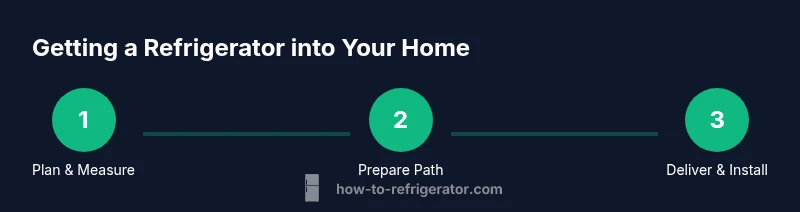
Getting a refrigerator into your home starts with clear needs and a measured space. This guide walks you through selecting a model, preparing your entry path, arranging delivery, and installing the unit correctly. By following a homeowner-friendly plan, you avoid damage, delays, and extra costs while ensuring safe, compliant setup.
Introduction to the Challenge of Bringing a Refrigerator Home
In the kitchen, a fridge is more than a box; it's the center of daily life. This guide explains how to get a refrigerator into your house with minimal hassle and risk. According to How To Refrigerator, success begins with a clear decision framework: define what you need, assess the space, and plan for delivery and installation before you buy. A smart plan reduces returns, protects floors, and speeds up setup. Throughout this article, we reference practical tips, safety guidelines, and field-tested steps that homeowners can perform without professional installation in most cases. We avoid hype about miracle features and emphasize reliability, energy efficiency, and maintainability. Real-world constraints—door widths, staircases, electrical outlets, and traffic patterns—often determine which refrigerator models fit your home. The How To Refrigerator team has helped thousands of homeowners navigate these constraints, and we distill that experience into actionable steps, checklists, and cautions. By staying organized and patient, you can move a refrigerator safely, connect it properly, and start using it soon after delivery. Let’s start with a framework to assess your needs and align them with your space, budget, and lifestyle.
Plan Before You Buy: Space, Power, and Doors
Before you pull the trigger on a new fridge, map out the real-world constraints of your kitchen. Measure the doorway width, the entry hallway, and the path from street to kitchen. Check the fridge’s depth, height, and door swing to ensure clearance with cabinets and countertops. Confirm electrical requirements—most models need a dedicated 15–20 amp circuit, with a grounded outlet. This planning minimizes returns and hurried deliveries. Build a simple space checklist: model dimensions, clearance for venting, proximity to outlets, and room for airflow behind the unit. Consider your lifestyle: family size, typical grocery load, and whether you’ll use smart features or simple mechanical controls. A well-planned purchase reduces stress on delivery day and speeds up setup for daily use.
Choosing the Right Refrigerator for Your Home
Size matters, but so does efficiency and features. Balance capacity with cabinet depth to avoid crowding. Look for energy-efficient models with good insulation and reliable compressors. Consider configuration (top-freezer, French door, or side-by-side) based on your kitchen layout and family habits. The How To Refrigerator team recommends prioritizing energy ratings, warranty terms, and service availability. Compare models by user reviews and independent tests rather than glossy claims. Pay attention to door seals, crisper performance, and noise levels, especially in open-plan spaces. Keep a shortlist of three to five models and cross-check dimensions against your measurements to avoid a frustrating return.
To help homeowners, we emphasize clarity around energy efficiency labels (e.g., Energy Star) and expected operating costs. A durable, efficient refrigerator may cost a bit more upfront but saves money over its lifetime. As you compare, factor in dimensions, door swing, interior layout, and smart features only if they genuinely simplify your daily routine. The goal is a model that fits your space, meets your needs, and stays reliable for years.
Preparation Steps Before Delivery
Clear the path where the fridge will travel. Remove obstacles, lay down protective coverings, and keep children and pets out of the area. Have a plan for temporary disposal of the old unit if you’re upgrading. Gather tools: measuring tape, flashlight, gloves, and a friend to help. If stairs or tight turns are involved, measure again and account for turning radius and door swing. Create a delivery plan that includes where the unit will be kept during installation and where the old unit or packaging will be stored until removal. Renting or borrowing an appliance dolly can dramatically reduce strain and protect walls and floors. Finally, confirm delivery windows with the retailer and ensure someone is available to supervise the transfer.
Pro tip from the field: practice good communication with the delivery team—confirm model, color, and any accessories (ice maker lines, water filters) before they arrive. This reduces the chance of last-minute changes and damage.
Delivery, Placement, and Installation
On delivery day, confirm model, dimensions, and door swing with the carrier. Move the fridge through the entry with the doors off or panels removed if necessary, taking care to protect floors and walls. Place the unit in its final location, level it with adjustable feet, and connect it to the power outlet. Do not use an extension cord; plug directly into a grounded outlet. Finally, set refrigerant and temperature settings according to the user manual and allow the appliance to stabilize for a few hours. For best results, keep the fridge upright during transit and avoid tilting beyond recommended angles to protect the compressor. If your kitchen has limited space, consider temporarily removing nearby cabinetry or shelves to widen the passage.
If you encounter a tight doorway, re-measure the opening and consider temporary removal of the door or handling panels. A calm, step-by-step approach reduces the risk of scratches or accidental damage to ceilings, walls, and floors. Keep a record of the model number, serial, and delivery confirmations for warranty purposes and future service needs.
Post-Installation Checks and Maintenance
Once the fridge is running, listen for unusual noises and check for leaks. Ensure door seals are clean and fully pressed against the frame. Let the temperature stabilize within 24 hours and avoid overloading shelves in the first days. Periodic maintenance includes cleaning coils, checking door gaskets, and defrosting if applicable. Keeping a maintenance schedule helps extend the life of your appliance. A concise user manual with model-specific guidance can prevent common mistakes like misadjusted doors or improper airflow. If you notice persistent issues (odd noises, frost buildup, or insufficient cooling), document symptoms and consult the manufacturer’s troubleshooting guide or a qualified technician.
Through careful planning and regular checks, your refrigerator should deliver reliable performance and keep foods fresh without surprising you with costly repairs.
Authority Sources and Further Reading
For reliability and depth, consult government and university resources on appliance installation safety and energy efficiency. Always verify instructions from the manufacturer for your specific model. The following links provide additional context and standards widely used in home appliance projects:
- https://www.energystar.gov/products/appliances/refrigerators
- https://www.energy.gov/eere/buildings/articles/energy-star-appliances
- https://www.nist.gov/topics/energy-efficiency
Getting Help When You Hit a Snag
If you encounter a moving or installation challenge (narrow doorways, staircases, or electrical concerns), don’t force the appliance. Stop, reassess, and contact a licensed professional if needed. A cautious approach protects your walls, floors, and warranty coverage. In some cases, a professional with the right equipment is the safer path, especially when stairs or tight turns are involved. If you’re unsure about electrical requirements, consult a licensed electrician before plugging in the unit.
Tools & Materials
- Measuring tape(At least 25 ft to measure doorways and paths accurately)
- Protective blankets or moving blankets(Wrap floors and walls during move)
- Appliance dolly or moving cart(Rent or borrow; use for stairs or long paths)
- Gloves(Grip and protect hands)
- Level(Ensure fridge sits level to avoid drainage issues)
- Screwdriver set(For removing doors or panels if needed)
- Flashlight(Illumine dark corners during move)
- User manual flux or model-specific parts(Keep on hand for reference)
- Temporary ventilation bag for old unit disposal(If removing old fridge)
Steps
Estimated time: 2-6 hours
- 1
Define needs and set a budget
Identify size, features, and budget to narrow model options. Note your preferred configuration (top-freezer, French door, etc.) and energy targets. Knowing these constraints keeps you focused when shopping.
Tip: Write down your must-haves and nice-to-haves before shopping. - 2
Measure spaces and doorways
Measure width, height, and depth of the opening and path to the intended location. Include clearance for handles and door swings. Compare these measurements against model dimensions to prevent post-purchase roadblocks.
Tip: Measure twice; buy once. - 3
Check electrical requirements and plan delivery
Identify outlet type, amperage, and whether a dedicated circuit is needed. Schedule delivery during a time window with access to the interior path and final resting place. Prepare the old unit for removal if applicable.
Tip: Avoid using an extension cord; ensure grounded outlet. - 4
Prepare the entry path and staging area
Clear the route, protect floors, and stage the fridge near the entry to minimize carry distance. If stairs are involved, plan lift points and partner moves. Confirm you have enough people to safely move the unit.
Tip: Enlist a helper and protect edges with blankets. - 5
Move the fridge into the house carefully
With at least two people, move the fridge using a dolly or by carrying with proper lifting technique. Tilt only as needed to pass doors, avoid damaging walls, and never rest on its back.
Tip: Keep the fridge upright during transport to protect the compressor. - 6
Level, connect, and stabilize
Position the fridge, adjust leveling feet, and ensure the door seals close evenly. Plug into a grounded outlet; do not use an extension cord. Wait a few hours for the compressor to stabilize before loading.
Tip: Check the door alignment and adjust until the seal is airtight. - 7
Test operation and finalize setup
Run the fridge for 24 hours and monitor for noise or leaks. Set temperatures as per manual and organize the interior. Keep the area clean and free of clutter for airflow.
Tip: Record the first 24-hour temperature behavior for reference.
FAQ
What is the first step to get a refrigerator into a house?
Define needs and measure space to narrow options and prevent post-purchase issues. This includes door widths and outlet availability.
Start by defining your needs and measuring the space to prevent delivery problems.
Do I need a special outlet for a refrigerator?
Most refrigerators require a grounded 120-volt outlet on a dedicated circuit. Check your model's manual for amperage and outlet type.
Most fridges need a grounded 120-volt outlet on a dedicated circuit.
Is it safe to move a fridge by myself?
Moving a fridge solo is risky. Use a dolly, get help, and keep the unit upright to protect the compressor.
Don't move a fridge alone; use a dolly and two people.
How long should a fridge run before fully loaded?
Allow the fridge to stabilize for several hours before loading groceries to ensure proper cooling.
Give it a few hours to stabilize before adding food.
What if the fridge doesn't fit through the doorway?
If it won’t fit, you may need to remove the doors or disassemble panels. Measure, plan, and consider alternate paths or professional help.
If it doesn't fit, remove doors or seek professional help.
Watch Video
Top Takeaways
- Plan space, power, and doors before shopping.
- Measure twice; verify dimensions against models.
- Use proper equipment to move and install safely.
- Avoid extension cords; use a grounded outlet.
- Allow the fridge to stabilize before heavy use.