How to Buy a Refrigerator on Amazon: A Homeowner's Guide
Learn step-by-step how to pick, compare, and arrange delivery for a fridge on Amazon. This expert guide from How To Refrigerator covers specs, measurements, warranty, and safe setup to help homeowners buy confidently.


If you’re shopping for a refrigerator on Amazon, use a simple, structured approach: define your space and budget, filter by essential specs, verify dimensions and energy use, assess seller reliability and delivery options, and check warranty and return policies before you buy. This guide from How To Refrigerator helps homeowners navigate the refrigerator amazon marketplace and avoid common pitfalls.
Understanding the Amazon refrigerator marketplace
Shopping for a refrigerator on Amazon combines convenience with a vast selection, but it also introduces variability in product listings, delivery options, and warranty coverage. According to How To Refrigerator, savvy buyers treat Amazon like any other appliance showroom: you want clear specs, verified dimensions, reliable seller reputations, and transparent service terms. Start with your kitchen measurements, power availability, and your preferred energy class. Then explore listings that clearly state the model type (top-freezer, bottom-freezer, French-door, or side-by-side), the interior layout, and the exterior dimensions. The goal is to narrow to a few strong options and compare them on the same criteria, using the Amazon product page as your primary information hub.
Key criteria when selecting a refrigerator on Amazon
Your shortlist should be driven by core criteria rather than color or extra features. Important factors include capacity (cu ft), dimensions (H x W x D), energy efficiency rating, cooling type (fresher or not), door configuration, and interior organization. Look for energy stars or efficiency labels in the spec table, and verify the model number matches the listing. Pay attention to whether the listed dimensions include handles and doors or just the cabinet. If you have tight space, confirm door swing clearance and hinge direction. Remember to check the delivery and installation options, since large fridges often require professional setup, which can affect the final cost and scheduling. As you compare, keep a running note of which models meet your space, power, and budget priorities.
Reading listings: specs that matter
Amazon listings will show a dense block of specifications. Focus on: total capacity, dimensions (H x W x D), weight, energy usage (
Evaluating seller reliability and delivery options
On Amazon, the seller’s reliability is a proxy for post-purchase support. Check seller ratings, response times, and whether the product is fulfilled by Amazon (FBA) or a third-party seller. For large appliances, delivery and haul-away services vary by region. Confirm delivery windows, whether the installer will unbox and level the unit, and if the old unit can be removed. Read return policies carefully; some fridges require the seller to arrange returns, while others offer straightforward returns within a set window. If you see contradictory information, contact the seller or use Amazon’s chat to confirm terms before placing an order. This diligence will pay off in a smoother delivery process and fewer surprises.
Warranty, returns, and service considerations
Warranty terms for refrigerators vary by manufacturer and seller. Look for at least a one-year warranty on parts and labor, with longer coverage on certain components like compressors. Clarify what the warranty covers (parts vs. labor) and the process for filing a claim. If the unit is refurbished or seller-refurbished, ensure the warranty terms are explicit and transferable. Consider service availability in your area; some manufacturers have limited local service networks. In all cases, keep your receipts and model numbers in a safe place so you can reference them if a warranty issue arises. How To Refrigerator recommends documenting delivery condition and any damage before accepting the unit.
Practical comparison: models, sizes, and energy use
A practical comparison involves creating a matrix that includes model name, price range, capacity, dimensions, energy use, and door configuration. Group similar configurations (e.g., French door to French door) to compare features fairly. Pay attention to energy efficiency ratings, as lower annual energy costs can offset higher upfront prices over time. Consider how often you use ice and water dispensers, and whether you need internal water filtration. Remember that sometimes the cheapest listing is not the best value if it lacks essential dimensions or reliable delivery.
How to verify dimensions and fit in your kitchen
Start by measuring your intended space with a tape measure, noting height, width, and depth allowances including clearance for door swing and ventilation. Compare these measurements to the fridge’s stated exterior dimensions, not the interior capacity alone. If your kitchen has unexpected nooks, double-check cabinet heights and any trim you might need to remove. Don’t forget to account for doors and handles when calculating clearance. If available, request precise drawings from the seller or brand site and cross-check with your own space measurements. This diligence reduces the risk of ordering a unit that won’t fit.
Safe unpacking and installation basics after delivery
On arrival, inspect the carton and packaging for damage before the driver leaves. Open the doors in a clear space to verify alignment and swing direction, and note any dents or scuffs. Allow the fridge to stand unplugged for a few hours (or per manufacturer guidelines) before plugging in to prevent compressor damage from moving. Level the appliance using the adjustable feet to ensure proper door seal and cooling performance. If installation requires plumbing or specialized electrical connections, rely on the seller’s installation service or a qualified technician. Proper setup preserves efficiency and prevents early wear.
Common Amazon-specific pitfalls to avoid
Beware listings with vague specs, inconsistent model numbers, or limited photos. If the price drops substantially after you click, inspect the listing for possible dealer bundling or refurbished status. Ensure the delivery option includes setup, disposal of old unit, and correct haul-away conditions. Watch for long lead times that push delivery beyond your planned move date, and confirm that the unit will be shipped in a climate-controlled environment to avoid internal condensation or frost issues during transit.
Post-purchase maintenance to maximize lifespan
Once installed, keep the coils clean and maintain proper airflow around the condenser area. Check door seals periodically for cracks and improve energy efficiency by avoiding overloading, managing internal temperatures, and defrosting as recommended by the manufacturer. Keep a log of service dates and any issues. Regular cleaning and timely filter replacements help preserve cooling performance and extend the fridge’s lifespan. If problems arise, reference the model number and warranty terms when contacting customer service.
Tools & Materials
- Measuring tape(At least 10 feet long for space checks, include clearance for door swing)
- Notebook or digital notes app(Record measurements, model numbers, and seller terms)
- Smartphone or computer with internet access(To browse listings, compare specs, and contact sellers)
- Pen and highlighter(Mark key specs and write quick reminders)
- Measuring triangle or square(Useful for confirming corner clearances in tight spaces)
- Level(Ensure fridge sits level after installation for proper door sealing)
- Flashlight(Inspect hinges and seals in dim areas or tight spaces)
Steps
Estimated time: 60-90 minutes
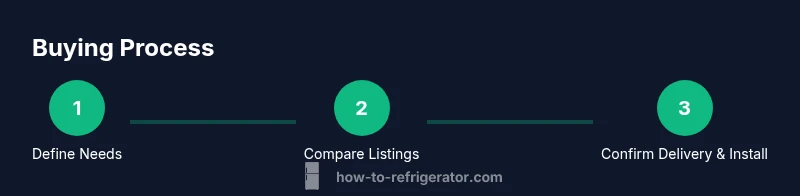
- 1
Define needs and budget
List your required capacity, preferred configuration, and any must-have features. Set a realistic budget range and note your delivery constraints. This groundwork keeps you focused when sifting through thousands of Amazon listings.
Tip: Write down your must-haves (e.g., French doors, ice maker) and nice-to-haves to avoid scope creep. - 2
Search and filter on Amazon
Use targeted keywords like refrigerator, energy rating, and door type. Apply filters for dimensions, capacity, price, and delivery options. Save a shortlist of 3–5 models that meet your criteria.
Tip: Filter by ‘Fulfilled by Amazon’ for more predictable returns and support. - 3
Compare specifications side by side
Create a simple table comparing height, width, depth, interior space, energy usage, and warranty. Ensure all three models fit your space with adequate clearance for airflow and door swing.
Tip: Only compare models with exact model numbers to avoid confusion between variants. - 4
Check energy efficiency and features
Prioritize kilowatt-hour/year figures and any smart features, ice/water options, and interior layout. Recognize that higher upfront costs may be offset by lower operating costs over time.
Tip: Energy-efficient models can save a noticeable amount on annual electricity bills. - 5
Review seller reliability and delivery terms
Inspect seller ratings, return windows, and whether delivery includes installation and haul-away. If uncertain, reach out to the seller for clarification before purchasing.
Tip: Prefer sellers with clear contact info and quick response times. - 6
Place the order and coordinate delivery
Confirm delivery windows aligned with your schedule and prepare space for placement. Ensure someone is available to inspect the unit upon arrival and sign off on delivery.
Tip: Request pre-delivery photos or a quick check-in with the driver if available. - 7
Install, inspect, and set up
Unbox carefully, verify model and serial numbers, and place the refrigerator in the intended spot. Level the unit, reconnect power, and test cooling functions as directed by the manufacturer.
Tip: Take photos of the setup and any delivery damage for warranty records.
FAQ
Is it safe to buy a refrigerator on Amazon?
Yes, it can be safe if you stick to reputable sellers, verify model numbers, and review the return and warranty terms. Look for fulfilled-by-Amazon listings for more predictable service and delivery.
Yes, you can buy safely from Amazon by checking seller reliability, model accuracy, and clear warranty terms.
How do I verify the dimensions and fit before buying?
Measure your space precisely and compare with the exterior dimensions listed on the product page. Include clearance for doors and ventilation, and confirm the hinge and door swing directions.
Measure carefully, compare with listed exterior dimensions, and ensure door swing fits your space.
What about energy efficiency and operating costs?
Check the yearly energy use figure (kWh/year) or energy star label in the specs. More efficient models may have higher upfront costs but lower long-term operating costs.
Look for energy efficiency ratings to estimate long-term savings.
What should I look for in delivery and installation?
See if delivery includes setup, leveling, and old appliance haul-away. If not, budget for professional installation to avoid improper leveling and door seal issues.
Ensure delivery includes setup and proper installation to protect performance.
Can I return a refrigerator if it arrives damaged or wrong?
Most sellers offer a return window; inspect on delivery and document any damage. If issues arise, contact Amazon support and the seller promptly to initiate a return or replacement.
Yes, but read the return policy and inspect the unit during delivery.
Are refurbished units a good idea for Amazon purchases?
Refurbished models can save money, but verify warranty coverage and the condition. Choose refurbished only from reputable sellers with clear terms and verified testing.
Refurbished can be okay if backed by a solid warranty and trusted seller.
Watch Video
Top Takeaways
- Define space, budget, and essential features first.
- Verify dimensions and door clearance before purchase.
- Prioritize reputable sellers and clear warranty terms.
- Check energy efficiency to lower long-term costs.
- Document everything for warranties and returns.