Refrigerator Recycling Near Me: Local Options and How-To
Discover local refrigerator recycling near me options, learn what centers accept freon units, and follow a practical plan to prepare, drop off, or arrange pickup with minimal hassle.


Goal: Find a nearby refrigerator recycling option and schedule pickup or drop-off. Start by locating a certified appliance or e-waste recycler that accepts large refrigerators, especially those containing refrigerant. Confirm any disposal fees, arrange a pickup or drop-off window, and prepare your unit by freeing space and removing accessories. If you’re unsure, call ahead to confirm requirements.
Why refrigerator recycling near me matters
According to How To Refrigerator, choosing a local recycling option for your old fridge is more than a simple disposal. It’s a commitment to environmental health, community responsibility, and safe handling of potentially hazardous materials. Recycling prevents refrigerants from escaping into the atmosphere, reduces landfill burden, and enables metals and other components to be reused in new products. For older models that use chlorine-based refrigerants or mineral oils, proper handling is essential to avoid air and soil contamination. A reputable local program will perform refrigerant recovery, filter disposal, and corrosion-safe dismantling with full documentation. In practice, the best path combines convenience with compliance: select a certified recycler who can provide a chain of custody, schedule a pickup or drop-off that fits your timetable, and receive a clear receipt showing the materials recovered and recycled. This guide helps you identify legitimate options, compare services, and prepare your fridge for recycling with minimal hassle.
Understanding local recycling options
Local options for refrigerator recycling typically fall into three categories: municipal or utility-sponsored programs, private licensed recyclers, and retailer take-back or donation programs. Municipal programs often offer curbside pickup or drop-off events and may subsidize disposal costs for residents. Private recyclers provide year-round service, sometimes with a fee, and must comply with environmental regulations and refrigerant recovery standards. Retailer take-back programs accept appliances when you purchase a new unit, but eligibility can vary by model and location. When you search for refrigerator recycling near me, verify that the provider is licensed, adheres to state and federal rules, and can issue a certificate of recycling. It’s also helpful to ask about whether they reclaim refrigerants for reuse, how they treat insulation foam, and what materials they separate during processing.
What counts as eligible for recycling
Most jurisdictions accept standard household refrigerators and freezers, including energy-efficient and older models. Some centers also handle rare or unusual configurations, such as side-load units, French-door fridges, or built-in models, but this varies by facility. Essential prerequisites usually include the unit being de-energized, with the doors removed or secured to prevent entrapment, and the refrigerant component removed by a licensed technician. Items that are not accepted may include appliances with hazardous contamination beyond normal refrigerants, non-functional electronics that require specialized e-waste handling, or units missing essential identification documents. Before you proceed, call ahead to confirm what materials they accept, whether they provide pickup, and if there are any preparation steps you must complete. This upfront check saves time and avoids delays on the day of service.
Preparing your refrigerator for recycling
Start by unplugging the unit and allowing any frost to melt if you plan to defrost on-site. Disconnect the water line and shut off any connected hoses to prevent leaks during transport. If the doors are not removed by the recycler, securely prop them open with a strap or tape to avoid accidental closure. Remove non-metal components like shelves, crisper drawers, and accessories you want to keep and transport separately. Wipe down spills and dry the interior to minimize odors. Gather the model number and serial number, proof of residency if required, and a photo of the unit in case the recycler requests documentation. Finally, arrange a suitable pickup window or prepare for a drop-off time that aligns with the facility’s schedule.
Scheduling pickup vs dropping off
For many homeowners, pickup is the most convenient option, especially if the unit is large or heavy. Contact the recycler and provide the address, appliance type, approximate weight, and any access considerations (stairs, elevators, gated community, etc.). If pickup isn’t available, choose a nearby drop-off location and confirm its hours of operation, required appointment windows, and any appointment fees. In either case, you should receive a confirmation with a receipt or instruction sheet. If the appliance holds significant refrigerant charge, ensure you’re using a certified service that can handle refrigerant recovery and issue compliance documentation. Save all paperwork for your records and future audits or utility rebates.
Fees, incentives, and potential rebates
Disposal fees for refrigerators vary by region, size, and service type. Some programs offer free disposal as part of a local environmental initiative or utility incentive, while others charge a modest fee to cover refrigerant recovery and processing. Ask about any rebates or credits you can qualify for, such as energy-efficiency or green initiative programs. If you’re upgrading to a newer model, check whether the retailer or installer offers a bundled recycling option. Always request a formal estimate and a written receipt that details the item, the service performed, and the materials recovered. Keeping these documents can be valuable for tax purposes or future warranty considerations.
Safety and legal considerations
Never attempt to DIY refrigerant removal if you’re not a licensed technician; refrigerants can be hazardous and illegal to vent. Ensure the recycler is licensed to handle refrigerants and follows EPA or state guidelines for recovery. Secure personal belongings and keep children and pets away from the work area. If your fridge has a nitrogen-insulated cabinet or other specialized features, disclose this beforehand so the recycler can plan appropriate handling. Adhering to local disposal laws protects you from penalties and supports a cleaner environment for your neighborhood.
Common mistakes to avoid
Avoid assuming all recycling centers handle every refrigerator model. Some facilities reject units with non-standard configurations or missing paperwork. Don’t discharge refrigerants yourself or attempt to dismantle critical components without training. Don’t ignore the pickup or drop-off requirements, such as ID verification or proof of residence. Finally, don’t skip obtaining a disposal receipt—without it, you may miss out on credits or may not have proof of proper disposal.
How to verify your recycler is legitimate
Look for certifications such as R2 or e-Stewards when evaluating recyclers. Check their website for a public recycling process description, equipment used for refrigerant recovery, and a visible certificate of compliance. Read customer reviews focusing on transparency, punctuality, and the accuracy of receipts. If possible, request a tour or a contact with a previous customer who used their service. A legitimate recycler should readily provide a detailed, itemized receipt and be able to explain how materials are processed and tracked from pickup to final reuse.
What happens to your refrigerator after recycling
After a compliant pickup, technicians recover refrigerants and remove hazardous oils, then safely dismantle the appliance. Recovered metals and plastics are sent to specialized facilities for sorting and reuse, while insulation materials may be recycled or disposed of according to environmental standards. Non-recyclable components are handled as waste through licensed channels so they don’t harm the environment. The end result is a smaller carbon footprint for your household and a cleaner local ecosystem.
Next steps and further resources
With your fridge recycled, consider setting up a local reminder to dispose of future appliances responsibly. Sign up for utility or municipal newsletters to stay informed about seasonal e-waste events or curbside programs. For ongoing learning, explore How To Refrigerator’s guidance on energy-saving habits and safe appliance maintenance. You can also bookmark local government or university extension sites for up-to-date disposal rules and recycling center schedules.
Tools & Materials
- Safety gloves(ANSI-rated gloves with good grip)
- Dolly or appliance hand truck(To move heavy fridges safely)
- Screwdrivers/wrenches(To detach doors or remove panels if required by recycler)
- Old towels or absorbent pads(Mop up defrost water and leaks during handling)
- Plastic bags or containers(Store small parts you’re keeping before transport)
- Photo of unit (optional)(Useful for records or verification)
- Proof of residency (if required by program)(Carry a recent utility bill or ID if requested)
- Model/serial numbers(Have on hand for paperwork and receipts)
Steps
Estimated time: 2-4 hours
- 1
Identify a certified recycler
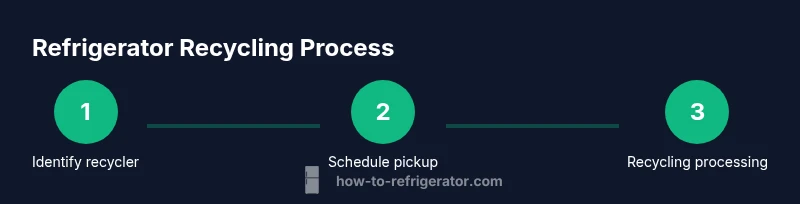
Search for local appliance recyclers or e-waste programs that explicitly accept large refrigerators. Call ahead to confirm they handle freon-containing units and whether they offer pickup. Verify they provide a written receipt and compliance documentation.
Tip: Ask for a written quote and required documents before scheduling. - 2
Check eligibility and documents
Confirm the fridge type and condition are eligible for recycling at your chosen center. Gather model/serial numbers, proof of residency if needed, and any photos the center requests. Have a vehicle ready if you’re transporting yourself.
Tip: Double-check whether doors must be removed and secured. - 3
Schedule pickup or plan drop-off
Book a pickup window or locate the closest drop-off site with hours that fit your schedule. Provide access notes (stairs, elevators, gate codes) to avoid delays. Ensure you’ll be available at the scheduled time.
Tip: If you’re flexible, choose an off-peak window to save time. - 4
Prepare the refrigerator for handling
Unplug the unit and defrost if needed. Disconnect water lines and cap them to prevent leaks. Remove doors or secure them open to avoid injuries. Clean and dry the interior to reduce odors and contamination risk.
Tip: Keep defrost water contained to avoid slipping hazards. - 5
Arrange safe transport
Move the fridge using a dolly, keep it upright to protect the compressor, and cover edges to prevent damage to walls or floors. Have a helper for heavy lifts and keep the path clear.
Tip: Protect flooring with mats or cardboard to prevent scratches. - 6
Complete paperwork and obtain receipts
Sign the disposal receipt and collect documentation of refrigerant recovery and material processing. Store receipts for records and any future rebates or tax considerations. Confirm the recycler’s contact in case you need follow-up.
Tip: Take a photo of the receipt for quick access. - 7
Confirm completion and follow up
Ensure the recycler has marked the job as completed and that all materials were processed according to plan. If you notice issues or delays, contact their support line promptly. Review your experience to help others decide.
Tip: Provide feedback to help improve local recycling options.
FAQ
Is refrigerator recycling free?
Fees vary by region and service type. Some programs offer free disposal as part of environmental initiatives, while others charge a modest fee to cover refrigerant recovery and processing. Always request a formal estimate before service.
Fees vary by region; some programs offer free disposal, others charge a modest fee. Always verify the cost before service.
Do I need to defrost the fridge before recycling?
Unplug and allow defrost if necessary. Some recyclers handle defrosting, but you should confirm this with the center to avoid delays.
Unplug the fridge and defrost if needed. Check with the recycler to confirm who handles defrosting.
What documentation should I have on hand?
Have model and serial numbers, proof of residency if required, and any photos requested by the recycler. This helps verify eligibility and speeds up the process.
Bring model and serial numbers and any requested residency documents to speed things up.
Can I recycle a fridge with non-standard refrigerants?
Most certified recyclers handle standard refrigerants, but you should confirm that they can process any non-standard systems before arranging service.
Check with the recycler to ensure they can handle any non-standard refrigerants.
What happens after recycling is complete?
Recyclers recover refrigerants, remove hazardous oils, and sort materials for reuse or proper disposal. You’ll usually receive a receipt detailing the materials recovered and processed.
Refrigerant is recovered, materials are sorted for reuse, and you’ll get a detailed receipt.
Are there opportunities for rebates or incentives?
Many utilities offer incentives for recycling old appliances or upgrading to energy-efficient models. Check your local utility programs or municipal resources for options.
Check with your utility for possible incentives when recycling or upgrading.
Watch Video
Top Takeaways
- Identify a certified recycler with refrigerant recovery.
- Prepare your fridge properly to speed up service.
- Expect variable fees; seek potential rebates or credits.
- Keep receipts and documentation for compliance and records.