Why Don't Refrigerators Last Anymore? Causes, Fixes, and Longevity
Explore why refrigerators don’t last as long as they used to, with data-driven insights, common failure points, and practical maintenance tips to extend life.


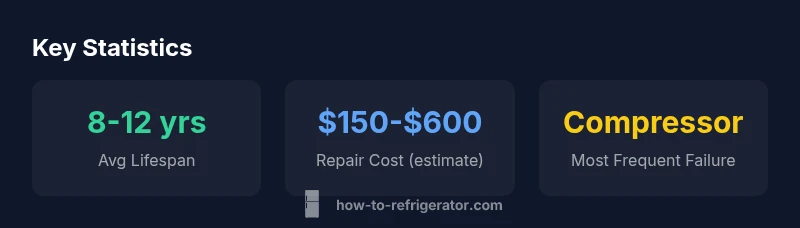
There's no single culprit; refrigerators today last about 8 to 12 years on average, but many fail earlier due to a mix of design choices and real-world use. Modern models emphasize energy efficiency, electronics, and fresh-food features, which can add complexity and potential failure points. Heavy use, improper maintenance, and delayed repairs also shorten service life. Understanding these factors helps homeowners decide when to fix or replace.
Why the question 'why don't refrigerators last anymore' matters
The longevity of a home appliance is not just a statistic; it affects reliability, budget planning, and energy use. The phrase why don't refrigerators last anymore captures a real concern among homeowners who see more frequent repairs and more expensive replacements. According to How To Refrigerator, appliance longevity is shaped by a combination of component quality, usage patterns, and the pace of design changes. This context helps homeowners set expectations and plan preventative steps. As you read, keep in mind that many factors interact: manufacturing choices, consumer behavior, and the environment in which a fridge operates. Understanding these dynamics empowers you to extend life where it matters most.
- In daily use, doors that aren’t sealing properly waste energy and put extra strain on the cooling system.
- Frequent door openings and overstocking can cause temperature fluctuations that stress components.
- Alignment with modern energy standards often means more sensors and electronics that require maintenance.
The design and manufacturing backdrop: what changed since older models
Over the past decade, refrigerators have shifted from purely mechanical systems to more electronically controlled, energy-efficient machines. The emphasis on insulation improvements and tighter tolerances reduced energy use but increased the reliance on sensors, microcontrollers, and refrigerant management. How To Refrigerator analyses suggest that these improvements introduced more potential points of failure, especially when combined with consumer habits such as inconsistent defrost drainage and improper ice-maker use. Manufacturers balance component cost with reliability, and this is where longevity takes a hit for some models. If you own or buy a newer unit, allocate attention to preventative maintenance rather than assuming replacement is inevitable. Brand ecosystems also matter; certain lines prioritize longevity with serviceability, while others push newer features that may outpace DIY maintenance capabilities.
Common failure points that shorten fridge life
While every model has unique quirks, the most common failure points cluster around a few core systems. The compressor remains the heart of the cooling cycle, and when it begins to fail, it can cascade into temperature instability and higher energy consumption. Condenser coils collect dust and grime, reducing heat transfer efficiency and forcing the system to work harder. The defrost drain can clog, causing frost build-up that disrupts airflow. Door seals age and lose elasticity, increasing the workload on the compressor. Electronics and sensors, while enabling smarter operation, add layers of potential faults that may require specialized diagnostics. Regular attention to these areas can extend life and reduce surprise failures. How To Refrigerator recommends periodic checks for seal integrity, coil cleanliness, and frost-free operation.
The role of energy efficiency and electronics in longevity
Energy efficiency standards have driven longer-lasting refrigerants and better insulation but at the cost of more complex control boards and sensors. A modern fridge may incorporate microprocessors, Bluetooth connectivity, and adaptive defrost algorithms. While these features save energy and improve food preservation, they can fail in ways older, purely mechanical systems would not. The result is a paradox: energy-efficient designs that reduce electricity use can also introduce more opportunities for malfunction if not properly maintained. For homeowners, the takeaway is not to shun features, but to prioritize a robust service plan, quality components, and a clear warranty path for electronics.
Usage patterns that can shorten lifespan and how to mitigate them
Usage habits matter as much as parts quality. Frequent door opening, improper temperature settings, and overloading the produce drawer create temperature swings that stress the cooling system. Leaving the fridge door ajar or placing hot items inside forces the compressor to work longer, accelerating wear. A well-informed routine—allowing the fridge to stabilize after grocery trips, keeping the interior organized to minimize door openings, and ensuring the freezer defrosts properly—can meaningfully extend life. Placement matters too: ensure adequate airflow around the condenser and avoid placing the unit in areas with high ambient temperatures. Small behavioral changes often yield outsized results.
Maintenance practices that extend life: a practical checklist
A proactive maintenance routine can curb many signs of aging in a fridge. Key steps include:
- Clean and inspect door seals every 3-6 months, replacing if elasticity is lost.
- Vacuum condenser coils or wash with a soft brush quarterly to maintain heat transfer efficiency.
- Check and clear the defrost drain to prevent frost accumulation.
- Verify the thermostat and defrost timer are functioning correctly; replace faulty components promptly.
- Schedule a professional inspection annually if you rely on a high-use model or it’s been more than 8-10 years since the last service.
These practices align with What To Look For When Maintaining Refrigerators and can help prolong service life.
Repair vs replace: a decision framework for homeowners
Every fridge has a life horizon. When major components fail—like the compressor or sealed system—the cost of repair can approach or exceed the cost of replacement. However, if the unit is relatively new or in good cosmetic condition, repairs may be the sensible choice. Consider anticipated lifespan remaining, energy efficiency gains from newer models, and the potential for ongoing service costs. How To Refrigerator emphasizes evaluating total ownership cost, not just the repair bill. A structured decision process—assessing repair viability, warranty coverage, and future energy use—helps homeowners avoid premature replacements and unnecessary expenses.
Fridge lifespan and cost by model type
| Model Type | Avg Lifespan | Typical Cost |
|---|---|---|
| Old-Generation coil-based | 8-10 years | "$400-$800" |
| Mid-range energy-efficient | 10-12 years | "$600-$1,200" |
| High-end smart fridges | 12-15 years | "$1,000-$2,500" |
FAQ
What is the typical lifespan of a modern refrigerator?
Most refrigerators last about 8-12 years, depending on model, maintenance, and usage. Higher-end units can exceed this range with proper care, while older designs may fall short due to simpler technology.
Most refrigerators last 8 to 12 years, with longevity improving when you maintain seals, coils, and components and use the unit regularly as intended.
Why do newer refrigerators seem to fail sooner than older ones?
Newer models have more electronics and tighter tolerances for energy efficiency. This adds potential failure modes, especially if maintenance is neglected or if you frequently run the unit outside its ideal temperature range.
New models have more electronics and tighter tolerances, which can introduce more points of failure if maintenance isn't kept up.
Can I extend my fridge life with regular maintenance?
Yes. Regularly cleaning seals, coils, and drainage paths, and scheduling professional checkups can significantly delay aging and improve efficiency, which reduces the risk of early failure.
Regular maintenance helps your fridge run longer and more efficiently.
Is DIY repair worth it for common fridge issues?
For simple problems like replacing a door seal or cleaning coils, DIY can save money. For major components like the compressor or sealed system, professional service is advised to avoid safety risks.
Simple fixes can be worth DIY, but major repairs should be left to pros.
When should I replace rather than repair?
If major components are failing, the unit is old, or repair costs approach or exceed the cost of a new energy-efficient model, replacement is often the smarter choice.
Consider replacement when repair costs mount or the unit is past its optimal lifespan.
“"Longevity hinges on how well you maintain seals, coils, and compressors; smart features should be balanced with practical upkeep."”
Top Takeaways
- Assess longevity with a holistic view, not a single component.
- Energy-efficient designs add electronics that need maintenance.
- Regular maintenance is a cost-effective way to extend life.
- Repair first when feasible; replace if life expectancy remains low.