What to Do Before Fridge Delivery: A Homeowner's Guide
A practical, step-by-step guide for homeowners to prepare their kitchen for fridge delivery. Learn measurements, pathways, power and water considerations, timing, and safety to ensure a smooth installation.


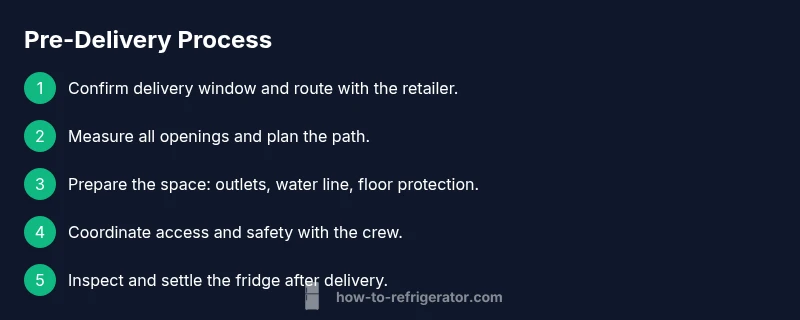
Before fridge delivery, you’ll want a clear plan: verify doorway width and path, prep electrical and water considerations, remove obstacles, and protect floors. Confirm delivery window and access for the crew, then label where the new fridge will sit. A pre-delivery checklist minimizes delays and damages, ensuring a smooth installation.
What to do before fridge delivery: a homeowner pre-checklist
When you’re anticipating a new refrigerator, the first step is laying the groundwork. This pre-checklist focuses on access, space, and safety to prevent delays and damages. The phrase what to do before fridge delivery comes up often in homeowner forums, and for good reason: careful preparation cuts installation time and reduces confusion on the big moving day. Start by confirming delivery details with the retailer, then scan your kitchen for potential obstacles. Gather the people, tools, and protective materials you’ll need, and set expectations with the delivery team about where the fridge should end up and how access will be provided.
According to How To Refrigerator, a thorough pre-delivery check helps avoid last-minute scrambles and ensures a smoother installation. This initial planning stage also helps you coordinate with other household tasks (like cleaning the floor area and moving furniture) so the crew can focus on the heavy lifting when the time comes.
Measure doorway, hallway, and stair clearance
One of the most critical steps in what to do before fridge delivery is confirming that the refrigerator will fit through every doorway, corner, and stair it must pass. Start by measuring the width of the widest doorway along the route, then check the height and clearance at each bend or turn. Don’t forget to account for door swing, handles, protruding shelves, and any floor thresholds. If you find tight spots, you’ll need to plan alternative angles or temporary removal of door panels. Use a helper to hold doors open for measurement and to simulate the passage so you know what to expect on moving day.
Clear the delivery route and protect surfaces
A clutter-free route minimizes the risk of tripping and damage to walls or floors. Move any furniture, pets, and small appliances away from the path. Remove loose rugs or secure them with tape to prevent slipping. Cover the floor with moving blankets or heavy-duty cardboard to shield against scratches and scuffs from the fridge and dolly. Mark sharp corners and fragile fixtures with lightweight tape to remind everyone of potential hazards. Clear communication with the delivery team about the route helps ensure everyone stays aligned during the lift and maneuver.
Prepare the kitchen space and electrical readiness
Electrical readiness is essential for a safe and efficient delivery. Ensure there is a dedicated, easily accessible outlet near the intended placement site and that the circuit can handle the fridge’s load without overloading other devices. If possible, check that the outlet is on a grounded circuit and near a GFCI-protected location for added safety. If you’ll unplug an old unit before the new one arrives, do so at the breaker first and confirm the power is off with a tester before handling any cords. Having a plan for rain or a power outage during delivery also reduces stress on moving day.
Water supply considerations for ice makers and dispensers
If your new refrigerator includes an ice maker or water dispenser, coordinate with the retailer about water line connections. Know the location of your cold-water shutoff valve in case you need to disconnect the line temporarily. Do not attempt to reconnect or modify supply lines without guidance from the delivery team or a licensed plumber. Have a bucket and towels ready in case of minor drips and ensure all hoses are free of kinks that could cause leaks. If you do not plan to use the water feature, you can still ask the team to cap the line per safety standards to prevent leaks.
Door removal and packaging considerations for tight spaces
In some layouts, removing doors or handles can create just enough clearance for a through-the-door move. Check your fridge’s user manual or packaging for removal instructions, and measure any protruding parts before you attempt removal. If you must remove doors, mark the top–bottom orientation to simplify reassembly and protect the hinges with tape and blankets. Keep track of all screws and small parts in labeled bags to avoid misplacing them during the move. If you’re unsure, defer to the delivery crew’s guidance—they’re trained for these specifics.
Scheduling, access, and communication with the delivery team
Clear communication with the delivery company reduces delays and miscommunication on moving day. Confirm the exact delivery window, parking instructions, and any building access requirements (keys, codes, or elevator reservations). Provide a diagram or notes detailing the designated location for the fridge and any obstacles the crew should know about. If there are stairs or a long corridor, specify the number of turns and any sharp angles. Share contact numbers for the day of delivery and keep your phone handy to resolve any issues quickly.
Floor protection and post-delivery setup planning
The moment the fridge crosses the threshold, floor protection remains essential until the unit is positioned and leveled. After delivery, ask the crew to place the fridge in its final position, then verify levelness and door alignment. Discuss any immediate setup steps you want them to perform—such as plugging in the unit or checking the ice maker—so you’re not scrambling after the crew leaves. Finally, create a quick post-delivery checklist to confirm that all accessories, drawers, and shelves are in place and intact.
Post-delivery checks and safe use
Once the fridge is in place, give the unit a few hours to settle before plugging in and turning on. Check the level at all four corners and adjust as needed, ensuring that doors seal properly and close with a solid click. Inspect for any shipping damage, loose panels, or unusual noises. Allow the compressor to reach its normal operating temperature before loading perishable items. If anything seems off, contact the retailer or service provider promptly to avoid warranty issues.
Common issues to avoid and who to contact
Even with careful planning, issues can arise—especially if spaces are tight or if power and water connections are mismanaged. Common problems include door misalignment, scratches on floors, or leaks from hoses. Keep the delivery crew’s contact information handy and document any concerns with photos and notes. If you notice persistent issues after delivery, reach out to the retailer or a professional technician. The goal is a smooth, safe installation with minimal disruption to your home.
Tools & Materials
- Measuring tape(2–3 meters long is usually sufficient for widths and turns)
- Notepad and pen(For taking route notes and measurements)
- Painter’s tape(Label door heights, floor edges, and route turns)
- Moving blankets or floor-protecting mats(Protect floors and walls during the move)
- Cardboard or protective floor coverings(Extra protection for delicate floors and thresholds)
- Screwdriver set(In case door panels or hinges need slight adjustment)
- Work gloves(Grip and protect hands during lifting)
- Helper or moving dolly(Required for heavy lifting and safe maneuvering)
- Flashlight(Illuminates dark corners and stairs during moving at dusk or indoors with poor lighting)
- Labels or zip bags(Keep small parts organized during disassembly (if needed))
- Floor plan diagram(A simple map of the route helps the crew)
Steps
Estimated time: 2-4 hours
- 1
Confirm delivery details
Reach out to the retailer to confirm the exact delivery window, the model, color, and any special access instructions. Make sure someone can meet the crew at the scheduled time and be available for questions. This step sets expectations and minimizes the chance of delays on moving day.
Tip: Call ahead to confirm elevator reservations or gate access if you live in a multi-story building. - 2
Measure openings and route
Thoroughly measure all potential entryways, including doors, hallways, and stair landings, to ensure the fridge can pass through without issue. Consider the top clearance for opening doors and the turning radius around corners. Having a clear mental model of the path prevents surprises.
Tip: Have a helper simulate passing the door width with a taped string line to catch miscalculations. - 3
Clear the route and protect surfaces
Move furniture and appliances away from the path and remove loose rugs. Lay down moving blankets or cardboard to guard floors, walls, and doorframes from dings. Mark any sharp corners with tape to warn the crew.
Tip: Keep pets secured in another room during the move. - 4
Prep electrical and water readiness
Ensure the outlet near the intended placement is accessible and on a suitable circuit. If the plan includes a water line, coordinate shut-off and valve access ahead of time. Do not attempt to reconnect water lines without professional guidance.
Tip: Test the power with a quick outlet check using a simple device tester. - 5
Plan door removal or packaging (if needed)
If the fridge needs door removal to pass through a tight doorway, review the manufacturer’s instructions and label screws for easy reassembly. Protect any exposed hinges with soft padding before the movers touch them.
Tip: Verify which parts can be safely removed without voiding warranties. - 6
Gather helpers and equipment
Assign a primary ground guide and a second helper to manage the dolly and strap work. Ensure everyone understands the route plan and safety signals. This coordination reduces the risk of injuries and damage.
Tip: Coordinate clear hand signals or verbal cues for each maneuver. - 7
Coordinate access and logistics
Provide the delivery team with access details such as codes, keys, or lift access. Confirm parking permissions and whether the crew will need to unload from the street side. Clear, written instructions reduce last-minute confusion.
Tip: Leave a contact number where someone can reach you during the delivery. - 8
Post-delivery placement and setup
After the fridge is in place, have the crew check levelness and door alignment. Confirm any essential setup tasks, like basic power connection and initial cooling. Plan to observe for a short period to ensure normal operation.
Tip: Ask for a quick demonstration of which drawer controls are most commonly used to avoid early mishaps.
FAQ
What should I do the week before fridge delivery?
Start by confirming the delivery window and model details with the retailer. Create a simple route map of the path from street to kitchen, noting any potential obstacles. Gather tools and floor protection, and designate a point person to liaise with the crew.
Confirm the delivery window and model, map the path, and assemble tools. Have a point person ready for the crew.
Do I need to remove doors to fit the fridge through narrow spaces?
Door removal is sometimes necessary for tight entries. Check the fridge’s manual or consult the retailer’s instructions. Label pieces and keep track of screws for reassembly.
Door removal is sometimes required; check the manual and keep screws organized.
Can I unplug the old fridge before the new one arrives?
Yes, you can unplug the old fridge ahead of the move, but do so at the circuit breaker and ensure it’s completely powered down before handling the cord. Coordinate with the delivery team so they aren’t surprised by an empty outlet.
Unplug the old unit at the breaker and wait until the crew is ready.
What if the doorway is too narrow for the fridge?
If the doorway is too narrow, you may need to remove doors or use a diagonal angle to pass through. Consult the delivery team for best practice and available tools.
If it doesn’t fit, ask the crew about door removal or alternate routes.
Who is responsible for moving the fridge on delivery day?
Professional movers affiliated with the retailer typically handle the move. Homeowners should prepare the route, while the crew performs the lifting and placement.
The delivery team usually handles the heavy lifting; homeowners prepare the route.
Should I prep electricity or water supply before delivery?
Ensure the outlet is accessible and safe; shut off water lines if needed for ice maker connections. Do not attempt to modify plumbing yourself on moving day.
Make sure power is ready and water lines are managed safely if applicable.
Watch Video
Top Takeaways
- Measure all openings before delivery
- Protect floors and walls during moves
- Coordinate with delivery crew for access
- Verify power and water readiness before install