Samsung Refrigerator Won’t Cool: The Ultimate Troubleshooting Guide
If your Samsung refrigerator won't cool, this urgent, step-by-step troubleshooting guide helps you diagnose common causes, perform safe DIY fixes, and know when to call a pro.


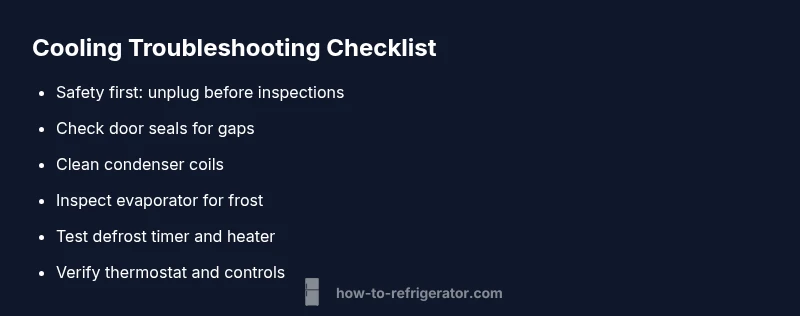
Most likely causes include a dirty condenser, a frozen evaporator coil, a faulty defrost timer or heater, a failing thermostat, or a refrigeration cycle issue. Start with simple checks: confirm door seals are tight, clean the condenser coils, and ensure the fridge isn’t overloaded. If it still won’t cool, follow these steps to diagnose and fix common cooling problems.
Understanding the problem and why it happens
If your Samsung refrigerator will not cool, you’re facing a disruption to one of the essential home systems. According to How To Refrigerator, cooling failures are usually caused by airflow restrictions, defrost problems, or control issues rather than a full compressor failure in many cases. When a Samsung unit stops cooling, the first clue is how it behaves: is the freezer working but the fridge warm, or is everything warm with no frost in sight? This guide aims to help homeowners troubleshoot safely and quickly, emphasizing practical steps you can take before calling a repair technician. By approaching the problem methodically, you can identify the most likely culprit without risking safety or voiding a warranty. The How To Refrigerator team emphasizes cautious handling around electrical components and refrigerant systems; if you smell gas or notice oil or liquid leaks, stop and contact a pro immediately. The goal is to restore cooling while avoiding unnecessary repairs. Be mindful of frost, ice buildup, or unusual sounds during operation, as these signals point to specific subsystems needing attention.
Quick checks you can perform in minutes
Before diving into deeper diagnostics, run these fast checks. They cover the most common causes that homeowners can safely test themselves:
- Check door seals: Make sure the gasket around every door is intact and sealing properly. A loose or dirty seal can let cold air escape, making the fridge run longer without cooling effectively.
- Confirm the temperature settings: Ensure the thermostat is set to the recommended range and that no user-adjustable controls were inadvertently changed.
- Inspect the vents and airflow: Clear any obstructions inside the fridge and freezer to allow air to circulate.
- Inspect condenser coils: If accessible, gently vacuum or wipe away dust from the coils (usually on the back, bottom, or underneath the unit). A thick layer of dirt can reduce cooling efficiency.
- Avoid overloading the shelves: Overfilling can block air channels and impair cooling performance.
- Listen for the compressor and fans: The compressor should run intermittently; if you hear loud or prolonged operation with little cooling, note the symptom for diagnosis.
Common culprits and how to spot them
If the quick checks don’t restore cooling, these are the typical causes you may encounter. The following guidance helps you identify symptoms before you decide on a fix:
- Dirty condenser coils: Dust buildup blocks heat transfer, causing underperforming cooling. Look for a warm, dusty back or bottom area and clean gently.
- Frost or ice on the evaporator: A frost buildup can insulate coils, stopping cold air from circulating. If you see frost on the inside of the freezer or feel ice on the evaporator, you may need to defrost.
- Defrost system issues: A failed defrost heater or timer can let frost accumulate on coils and reduce cooling. You might notice frost after a short time of normal operation.
- Thermostat or control board problems: A faulty sensor or control may misread temperatures, causing the compressor to run too long or not long enough.
- Refrigerant or sealed-system problems: If the unit loses refrigerant or has a sealed-system issue, cooling will be insufficient. This typically requires professional service.
Diagnostic flow overview
We’ll walk through a practical diagnostic flow you can follow step by step. It starts with the simplest checks and moves toward more involved tests. The intent is to confirm a safe, logical path to a fix, using clear symptoms to narrow down likely causes. Remember: if your symptoms indicate electrical risk, defrost-related hazards, or potential refrigerant exposure, stop and call a professional. This flow helps you decide whether you can safely perform a fix or should seek professional service, especially for refrigerant or sealed-system concerns.
Step-by-step fix for the most common cause: dirty condenser coils
If you confirmed the coils are dirty and airflow appears restricted, use these steps to clean them safely and effectively:
- Power down the fridge and clear the surrounding area. 2) Locate the condenser coils (behind the grille, bottom front, or on the back of the unit). 3) Use a soft brush to loosen dust, followed by a microfiber cloth. 4) Vacuum with a brush attachment to remove fine dust and debris. 5) Reconnect power and monitor cooling for 2–4 hours. 6) Ensure the fan is running and that airflow into the fridge is unobstructed. 7) If cooling remains insufficient, proceed to the remaining diagnostic steps. 8) Schedule regular coil cleaning every 6–12 months to maintain performance. Tip: avoid using high-pressure water jets that can bend delicate fins.
When to address defrost and thermostat issues
Defrost system problems and thermostats are common culprits when the condenser is clean but cooling remains weak. If frost develops on coils or the evaporator remains frosted after a normal defrost cycle, inspect the defrost timer and heater, plus the temperature sensor. A faulty defrost component can let frost accumulate, insulating the coils and reducing cooling capacity. A misreading thermostat can also keep the compressor running unnecessarily or shut it down prematurely. If you suspect a defrost or thermostat issue, don’t ignore it—these parts can escalate electricity use and lead to bigger failures.
Safety, prevention, and when to call a pro
Electrical components, refrigerant lines, and sealed systems pose safety risks. If you notice burning smells, buzzing, refrigerant odor, oil leaks, or hissing sounds, stop immediately and contact a licensed technician. Attempting to repair refrigerant leaks or replacing major components without training can be dangerous and may void warranties. For most homeowners, routine maintenance—clean coils, inspect gaskets for wear, and avoid placing hot items in the fridge—prevents many issues. If your unit is under warranty or you can’t safely identify the root cause, it’s wise to schedule professional service to protect your investment.
Prevention tips to keep your Samsung fridge cooling reliably
Regular maintenance reduces the risk of cooling failures. Keep condenser coils clean, check door seals for cracks or gaps, avoid overloading, and verify airflow paths are clear. Schedule a basic service every 12 months, especially if you notice subtle changes in cooling performance. For ongoing issues or energy concerns, record symptoms and dates to share with a technician, making repairs faster and more accurate.
Steps
Estimated time: 60-90 minutes
- 1
Power down and safety check
Unplug the refrigerator and remove any items from the top and around the sides. This reduces the risk of electric shock while you inspect components. Reconnect only when you’ve finished the planned checks.
Tip: If you must power off for an extended period, consider transferring perishables to a cooler with ice packs. - 2
Check door seals and gasket integrity
Inspect all door seals for cracks, tears, or gaps. Execute a simple test by closing the door on a piece of paper or a dollar bill; if you can pull it out easily, the gasket may be worn and needs replacement. Clean the gasket with mild soap and water to remove residue.
Tip: Use a thin layer of petroleum jelly on compressible gaskets after replacement to improve seal longevity. - 3
Inspect condenser coils for dirt
Locate the condenser coils (usually behind a grille or at the bottom/back). Gently remove dust with a soft brush, then vacuum the area. Avoid bending or crushing the coils’ fins during cleaning.
Tip: Never spray water directly at the coils from a hose; use a brush and vacuum for safe cleaning. - 4
Check the fans and airflow
Listen for the evaporator and condenser fan operation. If you don’t hear a fan when the door is closed, the motor or wiring may be faulty. Ensure air can circulate from freezer to fridge without obstruction.
Tip: A functional fan often indicates the cooling system is mechanically sound. - 5
Assess for frost on evaporator
Open the freezer and look for frost buildup on the evaporator coils. If frost is present, you may have a defrost issue that requires testing the heater and timer. Do not chip frost aggressively; a controlled defrost or service may be needed.
Tip: If frost forms quickly after manual defrost, stop and seek professional help. - 6
Test the defrost system
If frost is present but not excessive, you can perform a controlled defrost cycle by unplugging for a few hours and then plugging back in, watching for normal cooling resume. Persistent frost suggests a defective timer or heater.
Tip: Document defrost timing and frost pattern to aid the technician. - 7
Check thermostat and control settings
Verify the temperature control is within the manufacturer’s recommended range. A faulty sensor or control board can misread temps and cause the compressor to run excessively or not at all. Consider resetting the control to default if possible.
Tip: Note any error codes displayed on the control board to speed up diagnosis. - 8
Decide on professional help
If you’ve completed the above checks with little improvement, or you suspect refrigerant issues, refrigerant leaks, or a failed sealed system, consult a licensed technician. Handling refrigerants requires specialized tools and training.
Tip: Keep your appliance warranty or service plan information handy when you call.
Diagnosis: Samsung refrigerator will not cool
Possible Causes
- highPower issue/outlet problem
- highDirty condenser coils
- mediumFrosted evaporator coil
- mediumDefrost timer/heater failure
- lowFaulty thermostat or control board
Fixes
- easyCheck outlet and ensure power is on; test with another device.
- easyClean condenser coils and verify airflow; re-test cooling.
- mediumDefrost evaporator if frost is present; allow manual defrost if needed.
- mediumTest/replace thermostat or control board if readings are incorrect.
FAQ
What should I do first if my Samsung refrigerator won’t cool?
Start with basic checks: confirm the doors seal properly, clean the condenser coils, and verify the temperature settings are correct. If cooling still fails, proceed with the diagnostic flow outlined in this guide.
First, check the seals and clean the coils. If cooling still fails, follow the step-by-step flow to diagnose further.
Can a faulty door seal cause not cooling?
Yes. A damaged or dirty door gasket can let warm air enter, making the fridge work harder and not cool effectively. Replace or clean the gasket as needed.
A bad door seal lets warm air in, making cooling harder. Clean or replace the gasket as needed.
When is defrost a likely cause of not cooling?
If frost builds up on the evaporator and blocks airflow, defrost system problems may be the culprit. Check the defrost timer and heater, especially after intermittent cooling.
Frost buildup suggests a defrost issue. Check the timer and heater to confirm.
Do I need a professional for refrigerant issues?
Yes. Refrigerant leaks or sealed-system problems require a licensed technician due to safety and environmental regulations.
Refrigerant issues require a licensed technician for safety and compliance.
How can I prevent future cooling problems?
Keep coils clean, seals intact, and avoid overloading. Schedule regular maintenance and note symptoms early to catch issues before they worsen.
Regular maintenance helps prevent future cooling problems.
Watch Video
Top Takeaways
- Identify the problem with simple checks first.
- Condenser coil cleanliness dramatically affects cooling.
- Defrost and thermostat issues require careful testing.
- Call a pro for refrigerant or sealed-system concerns.