Refrigerator for RV: Pick, Install, and Maintain
Learn how to pick the right RV refrigerator, plan space and power, install safely, and maintain peak performance on the road with practical, expert guidance.


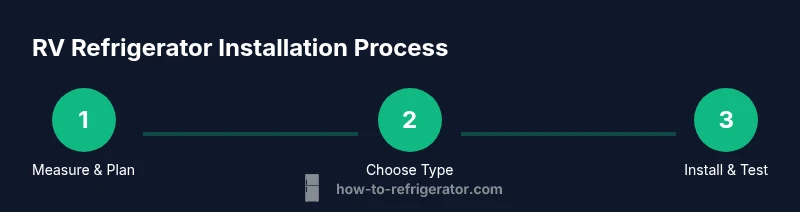
Goal: Help homeowners select, install, and maintain a refrigerator for RV life. This quick answer outlines choosing between absorption and compressor models, evaluating power options (propane, 12V, and 120V AC), confirming space and ventilation, and planning a safe installation. You’ll also get practical maintenance steps to keep temperatures stable while traveling.
RV Refrigerator Types: Absorption vs Compressor
Absorption refrigerators rely on a heat source (gas or electric) to drive cooling without a moving compressor, which makes them quiet and ideal for off-grid RV camping. They can run on propane, drawing power from propane gas and a small electric ignition, which makes them attractive for travelers who seldom plug into shore power. However, absorption models tend to be less energy-efficient, slower to cool, and more sensitive to climate extremes. Compressor refrigerators use a standard refrigeration cycle with a compressor motor, delivering faster cooling, tighter temperature control, and better performance in hot climates. They run on 12V DC, 120V AC, or both, and often offer variable cooling performance based on the compressor’s duty cycle. The How To Refrigerator team notes that the best choice depends on your travel style, power availability, and how regularly you’ll be off-grid. If your goal is quick cooling and reliable performance in varying climates, a compact compressor fridge with proper insulation and venting is typically the more predictable option for RV living.
seeded_for_marketing_purposes_only_not_counted
Tools & Materials
- Measuring tape(At least 200 cm of usable length for space checks)
- Safety gloves(Protect hands during installation and vent work)
- Screwdrivers (Phillips & flathead)(For mounting brackets and panels)
- Adjustable wrench(Secure fittings and gas lines as needed)
- Electrical multimeter(Verify voltage and continuity during hookup)
- Level or torpedo level(Ensure fridge sits evenly to prevent leaks)
- Sealant compatible with RV materials(Create watertight gaps around exhaust and vents)
- Cable ties and mounting brackets(Secure wiring and the unit itself against movement)
Steps
Estimated time: 2-3 hours
- 1
Measure space and assess weight capacity
Begin by measuring the available cabinet or built-in space, including height, width, and depth. Check your RV’s gross vehicle weight rating and payload capacity to ensure the fridge won’t exceed limits when loaded with food and accessories. This ensures safe travel and avoids mounting stress on floors or walls.
Tip: Mark the opening so you can compare it quickly with the fridge’s external dimensions. - 2
Decide on absorption vs compressor
Review climate, usage patterns, and power availability. Absorption is propane-friendly and quiet but slower and less energy-efficient; compressor models offer faster cooling and better climate tolerance but depend on a reliable power source. Choose based on how often you run on propane or shore power and how critical quick cooling is for your routine.
Tip: If you dry camp often, consider a propane-capable absorption unit. - 3
Check ventilation and clearance
RV fridges need adequate ventilation around the rear and sides. Ensure there is clear space for air intake and exhaust, plus a vented exterior opening. Avoid tight cabinets that trap heat, and plan for a vent cover outdoors if you’re in dusty or humid environments.
Tip: Leave at least 2–3 inches of clearance on all sides when feasible. - 4
Prepare electrical and gas connections
If using AC or DC power, confirm circuit capacity and wiring gauge. For propane models, inspect gas lines for leaks, use approved manifolds, and install a proper gas regulator. Always follow the manufacturer’s manuals for safe gas and electrical connections.
Tip: Test leaks with soapy water before energizing anything. - 5
Mount the fridge securely
Secure the unit with anti-tip brackets and robust fasteners. Use a level prior to securing, since uneven mounting can cause vibration damage and improper sealing. Re-check level after installation is complete, as movement can affect seals and airflow.
Tip: Avoid over-tightening screws that could crack the cabinet. - 6
Connect power sources and venting
Run electrical and gas lines per the installation plan. Route wiring away from heat sources and sharp edges. Install vent ducting if required and ensure exterior vent openings are unobstructed for efficient cooling.
Tip: Keep a spare fuse or breaker on hand in case of overload. - 7
Set temperature and test operation
Power on the fridge and set the recommended temperatures (typical fridge around 35–38°F / 2–3°C and freezer around 0°F / -18°C). Monitor for 24–48 hours to confirm stable temperatures and check for leaks, unusual noises, or damp areas.
Tip: Place thermometers in both fridge and freezer compartments for accurate readings. - 8
Perform a post-install check and safety wrap-up
Inspect all fasteners, seals, and connections after the initial run. Keep a log of settings and observed performance. If anything seems off, consult the manufacturer’s troubleshooting guide or a qualified RV technician.
Tip: Document serial numbers and model details for future service.
FAQ
What is the best RV refrigerator for off-grid travel?
For frequent off-grid use, many RV owners prefer a compressor fridge with a robust 12V system and efficient insulation. Propane-capable absorption models are another option if you anticipate long periods without shore power. The right choice depends on your off-grid days, climate, and available gas supply.
For off-grid travel, a compressor fridge with solid insulation and a reliable power plan is usually best, though propane-capable absorption can work if you lack consistent shore power.
Can you run a household refrigerator in an RV?
Running a standard household fridge in an RV can be impractical due to higher power draw and space requirements. RV-specific models are designed for 12V or propane use and travel vibrations. If you must, ensure proper power capacity and secure mounting.
A household fridge isn’t ideal for RV use because it needs more power and space, and may vibrate too much while traveling.
Do RV fridges require venting?
Yes. RV fridges require exterior venting to dissipate heat and, for propane models, to vent combustion gases safely. Proper venting prevents overheating and gas buildup. Follow the manufacturer’s guidelines for clearance and vent routing.
All RV fridges need proper venting to safely release heat and, if propane-powered, combustion gases.
What maintenance should I perform regularly?
Regular maintenance includes inspecting seals for leaks, cleaning coils or condenser fins, ensuring vents aren’t blocked, and confirming temperature settings. Check for corrosion on propane lines and test alarms or safety features during routine checks.
Regular checks of seals, coils, and vents keep your RV fridge running smoothly and safely.
Is installation something a homeowner can do, or should I hire a pro?
Many RV fridge installations can be DIY if you’re comfortable with basic electrical and gas work, but a certified technician is recommended for propane connections and complex venting. Always follow manufacturer instructions and local codes.
You can often do it yourself if you’re comfortable with electrical and gas basics, but consider a pro for propane work.
How do I know if my RV fridge is cooling properly?
Use separate thermometers for fridge and freezer compartments and monitor for 24–48 hours after setup. If temperatures stay high or drift, recalibrate settings, check seals, and inspect vents for blockages.
Put thermometers in both compartments and watch temperatures for a couple of days to confirm it’s cooling correctly.
Watch Video
Top Takeaways
- Decide between absorption and compressor based on travel style and power access
- Ensure proper venting and space clearance around the fridge
- Secure mounting to prevent movement and protect seals
- Test temperatures and monitor performance after install