Refrigerator Evaporator: How It Works, Troubleshooting, and Maintenance
Learn how the refrigerator evaporator works, recognize frost-related issues, test components safely, and perform DIY checks before calling a pro. Practical, homeowner-friendly guidance from How To Refrigerator.


The refrigerator evaporator is the cold-plate inside the freezer that absorbs heat from the air. When it frosts over, airflow slows and cooling suffers. This quick guide explains how to identify frost buildup, test for proper airflow, and perform safe DIY checks before contacting a repair tech. You’ll gain practical steps homeowners can take.
What is the refrigerator evaporator and how it works
Inside most modern refrigerators, the evaporator coil sits behind or near the freezer compartment. Its job is to absorb heat from the air that circulates through the evaporator plenum, cooling the interior of the fridge. The compressor pushes refrigerant through the system, and the evaporator is where the refrigerant changes from a high-pressure liquid to a low-pressure gas, absorbing heat in the process. The evaporator is typically paired with an evaporator fan that distributes the cooled air through the freezer and fridge. When the evaporator coil gets frosty, airflow is restricted, leading to colder spots in some areas and warm zones in others. According to How To Refrigerator, the evaporator coil is a key component and neglecting frost buildup can cause ice to block vents and shorten the life of the compressor. How To Refrigerator analysis shows frost formation is often a symptom of a defrost cycle issue, a faulty defrost heater, or a failed thermostat. Regular maintenance, like keeping the door seals intact and cleaning dust from coils, helps prevent premature evaporator problems.
Common symptoms indicating evaporator issues
A failing evaporator often presents in a few telltale ways. If your refrigerator cools inconsistently or feels warm in some compartments while the freezer remains cold, the airflow path behind the evaporator may be blocked. Frost or ice buildup on the evaporator coil can also reduce airflow, making both the fridge and freezer work harder. A buzzing or high-pitched fan sound can indicate the evaporator fan struggling to move air. Visible frost inside the freezer, frequent defrost cycles, or a continuous ice layer on the coil are other red flags. Remember that some symptoms mimic issues with door seals, condenser coils, or the thermostat, so use a process of elimination to confirm the evaporator’s role. The How To Refrigerator team emphasizes checking the air vents and ensuring the evaporator fan runs when cooling is active.
Safe testing methods you can perform
Before you start, unplug the unit and remove perishable items. Check that door gaskets seal properly and that vents are not blocked by food. Listen for the evaporator fan when the compressor is running; if you don’t hear it, there may be a fan or harness issue. While the fridge is powered, feel air moving from the vents; weak or stale air suggests restricted airflow around the evaporator. Don’t attempt to repair refrigerant lines or the compressor—these require licensed technicians. The How To Refrigerator guidance recommends documenting symptoms with notes or photos to share with a technician and to perform any tests with dry hands and insulated gloves for safety.
How to inspect the evaporator coil and frost buildup
Accessing the evaporator coil usually requires removing a back panel in the freezer compartment. If you see frost, there may be an issue with the defrost system. Check for a melted frost edge along the coil, and inspect the defrost heater and thermostat for obvious damage or disconnections. Ensure the defrost drain isn’t blocked, as a blocked drain can cause water to refreeze on the coil. Use a flashlight to examine hard-to-reach areas and wipe away loose ice with a dry cloth. If the frost is thick or persistent, this indicates a defrost cycle problem and warrants further investigation by a technician. The emphasis across trusted sources, including the How To Refrigerator team, is to avoid prying at refrigerant connections and to stay within the electrical safety boundaries of your appliance.
Diagnosing frost vs non-frost problems
Frost buildup on the evaporator coil commonly signals a defrost heater or timer failure, a faulty thermostat, or a blocked defrost drain. If there is no frost but the unit still fails to maintain cold temperatures, the evaporator might be blocked by dirty airflow, a failed evaporator fan, or a sealed system issue. A key diagnostic step is to observe whether the defrost cycle runs intermittently and whether the fan operates during cooling. If frost is present and the defrost cycle isn’t clearing it, this points to a defrost system fault. The How To Refrigerator analysis highlights frost as a primary indicator that the evaporator and defrost components deserve attention soon to prevent compressor strain.
Common repair options and when to replace
Many evaporator-related issues don’t require a full evaporator coil replacement; instead, common fixes include replacing a faulty defrost heater, defrost thermostat, or defrost timer. If the evaporator coil is severely corroded, damaged, or if there’s a refrigerant leak, professional replacement of the coil or a larger system repair may be necessary. For most homeowners, safe, basic maintenance and targeted part replacements can restore function. Always consult a qualified technician for refrigerant handling or if you’re uncertain about working inside the sealed cooling system. The How To Refrigerator team notes that identifying the exact fault early saves time and money.
Maintenance practices to extend evaporator life
Regular preventive care helps prevent frost buildup and airflow blockages. Vacuum dust from condenser coils and around the back of the appliance, keep door seals clean and intact, and ensure proper airflow around the unit to reduce strain on the evaporator and compressor. Clear the defrost drain if you notice standing water and clean the evaporator cover periodically. Schedule a professional inspection if you notice persistent frost, unusual noises, or if temperatures drift out of the recommended range. These habits minimize wear and keep the evaporator functioning efficiently, as emphasized by homeowner-focused guidance from How To Refrigerator.
Step-by-step quick check before you call a pro
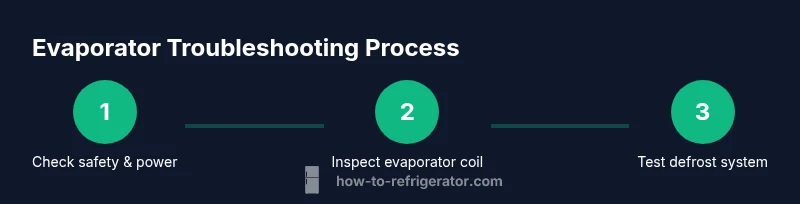
- Unplug the fridge and move items to a temporary cooler. 2) Inspect door gaskets for gaps or tears. 3) Listen for the evaporator fan when cooling is active. 4) Check vents for blockages and confirm air can circulate. 5) Look for frost on the evaporator coil and check the defrost drain for clogs. 6) If frost is present and the defrost cycle seems ineffective, prepare to contact a technician. 7) Gather model information and a short description of symptoms to share with the repair expert. 8) Schedule service if DIY checks don’t resolve the issue. The How To Refrigerator team recommends documenting symptoms with photos for reference during service.
How to access the evaporator safely and plan next steps
Accessing the evaporator panel requires careful disassembly of the freezer interior and the protective covers. Always unplug the unit first and wear protective gloves and eye protection. If you see obvious refrigerant signs, oily residues, or if you’re uncomfortable handling electrical components, stop and call a pro. After inspections, decide whether a coolant-related repair is needed or if a part like the defrost heater, timer, or sensor should be replaced. The How To Refrigerator team emphasizes safety and precision: don’t force panels, label wires before disconnecting, and never attempt refrigerant work yourself. With careful steps and professional guidance, you can restore consistent cooling and prolong the life of your refrigerator.
Tools & Materials
- Flat-head screwdriver(For access panels and vents)
- Phillips screwdriver(Don’t strip screws during panel removal)
- Multimeter(Check continuity on defrost components and fans)
- Flashlight(Bright light helps inspect coils and seams)
- Towel or shallow tray(Catch water from the defrost drain)
- Gloves and safety glasses(Personal protection when handling sharp panels)
- Replacement defrost heater or thermostat (optional)(Only if you confirm a faulty part during testing)
- Wire ties(Organize wires after access)
Steps
Estimated time: 60-90 minutes
- 1
Power down and clear the interior
Unplug the refrigerator and remove perishable items. Move the contents to a cooler to avoid spoilage. This keeps you safe while inspecting and reduces the risk of accidental electrical contact.
Tip: Take photos of connections before disconnecting any wires. - 2
Locate the evaporator access panel
Open the freezer and locate the back panel or upper cooling area where the evaporator coil sits. Use the appropriate screwdriver to remove screws securing the panel, keeping track of fasteners for reassembly.
Tip: Lay screws on a magnet tray to prevent loss. - 3
Inspect for frost buildup
Look for visible frost or ice forming on or around the evaporator coil. Note whether frost is thick or thin and whether it covers vents. Frost often indicates a defrost system issue that warrants further testing.
Tip: Document frost condition with a photo for reference. - 4
Check the defrost drain and heater
Trace the defrost drain to ensure it isn’t blocked. If you access the heater assembly, inspect for loose connections or burn marks. Do not bypass electrical components or run the unit with a damaged defrost system.
Tip: Never touch energized parts; use insulated tools. - 5
Test the evaporator fan
With the panel removed, power the unit briefly and listen for the evaporator fan. If the fan does not run or runs intermittently, this can explain reduced airflow to the evaporator.
Tip: If you hear grinding, the fan may need replacement. - 6
Assess airflow through vents
Return power and verify that air moves freely from vents in both the freezer and fridge. Blocked vents can masquerade as evaporator problems. Clear any obstructions gently.
Tip: Avoid using objects that can damage vents or coils. - 7
Evaluate defrost system behavior
If frost reappears shortly after a defrost cycle, the defrost heater or timer may be defective. Use a multimeter to check continuity if you’re comfortable and confident in basic electrical testing.
Tip: If in doubt, call a pro—defrost components can vary by model. - 8
Decide on next steps
If tests indicate a defective defrost component or a faulty fan, plan replacement or professional service. If the coil is visibly damaged or a leak is suspected, a technician should handle it.
Tip: Keep a record of symptoms and tests to share with the technician.
FAQ
What is a refrigerator evaporator?
The evaporator is a cooling coil located inside the freezer compartment. It absorbs heat from the air, enabling the interior to stay cold. A healthy evaporator coil works in tandem with the defrost system and evaporator fan to maintain consistent temperatures.
The evaporator is the cooling coil inside your freezer that absorbs heat and helps keep your fridge cold, working with the defrost system and fan.
What are common signs of evaporator frost problems?
Common signs include frost buildup on the coil, reduced airflow, warm spots in the fridge, and unusual noises from the evaporator area. These symptoms suggest a defrost issue or restricted airflow around the evaporator.
Frost on the coil, airflow problems, and odd noises around the evaporator area usually point to a frost or airflow issue.
Why is my fridge not cooling even with the evaporator fan running?
If the evaporator fan runs but cooling is inadequate, the issue could be frost blockage, poor airflow, or a failed defrost cycle. Inspect vents and defrost components; if unresolved, professional service may be needed.
If the fan runs but cooling is weak, frost or airflow issues and defrost problems could be the cause. Check vents and defrost parts, and call a pro if needed.
Can I repair the evaporator coil myself?
Repairing or replacing an evaporator coil involves handling refrigerant and sealed-system components. This work should be done by a licensed technician. For safety and compliance, avoid DIY coil repairs.
Replacing the evaporator coil requires licensed work. For safety, don’t attempt this yourself.
How long should a defrost cycle last?
Defrost cycle duration varies by model, but if defrost fails repeatedly, frost will recur. If the cycle never completes or you see water around the defrost area, schedule a service.
Defrost duration changes by model; if it never completes or you see water, get a service.
When should I replace the evaporator?
A complete evaporator replacement is usually a last resort when the coil is severely damaged, corroded, or a refrigerant leak is present. Most issues can be resolved by replacing defrost components or a failed fan.
Replace the evaporator only if the coil is damaged or leaked; often defrost parts or the fan fix the problem.
Watch Video
Top Takeaways
- Identify frost buildup early to prevent airflow loss.
- Check the defrost system if frost persists.
- Test the evaporator fan and vents before replacing parts.
- Avoid DIY refrigerant handling; call a pro when in doubt.
- Maintain door seals and clean coils to extend evaporator life.