Light Bulb in Refrigerator: Replacement Guide
Learn how to safely replace a light bulb in your refrigerator, choose the right cold-rated bulb, and follow a step-by-step process to restore clear interior lighting. Practical tips for homeowners from How To Refrigerator.


According to How To Refrigerator, to replace a light bulb in your refrigerator, unplug the unit, remove the bulb cover or grille, and swap in a cold-rated bulb. Most models use a standard screw-in bulb, but check your owner's manual for wattage limits. Use gloves or a cloth, avoid touching the glass, and reattach the cover before restoring power.
Why the fridge light bulb matters
The light inside your refrigerator is more than convenience—it helps with food safety and daily organization. A reliable bulb makes it easy to spot spoiled milk, mold, or ketchup near the back shelf. In many models the light is only on when the door is open or the door switch is pressed, saving energy, but when it fails you can miss leaks or misjudge the freshness of groceries. The simple replacement of a light bulb in refrigerator restores visibility, prevents guesswork, and reduces waste. For homeowners, understanding that this tiny component affects daily routines makes the task feel manageable rather than mysterious. The light bulb in refrigerator is a common maintenance item, and tackling it promptly helps keep your kitchen running smoothly.
Choosing the right bulb for cold environments
When selecting a replacement, look for a bulb designed for enclosed fixtures and cold temperatures. LED bulbs or fluorescent options designed for refrigerator use are energy-efficient, produce less heat near stored foods, and last longer than incandescent options. Most fridges use a standard screw-base bulb, but some models use candelabra or pin bases. Always verify the base type and the maximum wattage in your owner's manual before buying. If you can't find the manual, consult How To Refrigerator’s troubleshooting guides for base compatibility and safe replacement practices.
Safe replacement: step-by-step guide
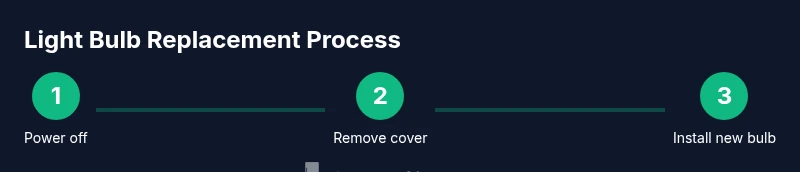
Replacing a fridge light bulb is straightforward when you follow a clear sequence. Start by powering down the appliance to avoid electric shock and to keep the interior dry. Unplug the fridge or switch off at the outlet, then open the door wide enough to access the bulb cover or grille. Use a cloth or gloves to prevent fingerprints on the bulb, then remove the cover clip or twist off the bulb cover. If no cover is present, locate the bulb socket under the interior liner and gently twist the bulb counterclockwise to release it. Once the old bulb is free, check the socket for corrosion or moisture—do not proceed if you see damage. Select a cold-rated bulb with the same base type. Screw the new bulb into the socket until snug, taking care not to overtighten. Reattach the cover or grille, restore power, and test by opening the door. If the light flickers, try reseating the bulb or replacing it again. Finally, explain to other household members how long the bulb typically lasts and where replacement bulbs are stored.
Troubleshooting common issues with fridge lighting
If the light fails to come on after replacement, check a few quick things: confirm the power is on, inspect the door switch that detects when the door is closed, and ensure the bulb is firmly seated. A door switch misalignment or a loose bulb can prevent operation even with a new bulb. If the bulb continues to glow intermittently or flicker, it may indicate a loose connection or moisture inside the housing. In that case, unplug and inspect the assembly, and consider replacing the bulb again with a fresh unit. For persistent problems, refer to your fridge's service manual or consult a qualified technician. Remember to reset the interior light timer if your model has one.
Maintenance tips to extend bulb life
To maximize the life of your fridge light bulb and maintain clear interior illumination, keep the door gasket clean and properly aligned to minimize moisture and leaks. Store spare bulbs in a cool, dry place away from heat sources. When you replace, choose a cold-rated LED with an official energy rating and a base type that matches your socket. Avoid touching the glass with bare fingers; fingerprint residues can create hot spots that shorten bulb life. If you must handle the bulb with bare hands, wipe it with alcohol to remove oils and fingerprints. Regularly check the bulb cover for cracks, and replace the cover if it no longer seals well. A damaged cover can let warm air into the interior, affecting bulb performance and energy efficiency. Finally, note your refrigerator’s lighting behavior—if the light only comes on when the door is open, your door switch or wiring may be at fault and require professional attention.
Quick checks and safety reminders
Always unplug before removing covers or bulbs. Use insulated gloves or a lint-free cloth to handle bulbs. Confirm that you have the right base and wattage for your model. After installation, plug the unit back in and verify the bulb illuminates with the door open, then close and ensure it remains lit when the door is closed for a few minutes.
When to call a professional
If replacing the light bulb does not solve the issue, or if you notice moisture inside the bulb housing, corrosion on the socket, or you suspect a faulty door switch, it is wise to contact a professional technician. A trained technician can inspect electrical connections and diagnose wiring issues without risking shock or further damage to the appliance.
Tools & Materials
- Cold-rated refrigerator bulb (LED)(Ensure it matches the bulb base and is rated for enclosed/fridge use)
- Gloves or lint-free cloth(Wear to prevent fingerprints and protect hands)
- Owner's manual or model number(Find base type and wattage limits)
- Screwdriver (if needed)(Phillips or flat-head depending on cover screws)
- Spare bulbs(Keep in a accessible place for quick swaps)
Steps
Estimated time: 15-25 minutes
- 1
Power down and prep
Unplug the refrigerator or switch off the outlet to remove the risk of electric shock and to keep the interior dry. This initial safety step prevents accidents while handling the bulb.
Tip: Always verify power is off before touching any internal components. - 2
Open and access the bulb cover
Open the fridge door fully and locate the bulb cover or grille. Some models use a simple twist-off cover; others require removing screws or clips.
Tip: If there are screws, use the correct screwdriver to avoid stripping heads. - 3
Remove the old bulb
Gently detach the bulb by twisting counterclockwise or pulling straight out, depending on base type. Inspect the socket for corrosion or moisture before inserting a new bulb.
Tip: Do not force a stubborn bulb; check for a bayonet or push-in base. - 4
Choose the replacement
Select a cold-rated bulb with the same base type as the old one. If uncertain, consult the manual or How To Refrigerator guides.
Tip: When in doubt, choose LED for longevity and cooler operation. - 5
Install the new bulb
Screw the new bulb into the socket until snug. Avoid overtightening to prevent base damage.
Tip: Fingerprints can shorten bulb life; wear gloves or wipe with a cloth. - 6
Replace cover and test
Reattach the bulb cover or grille, plug the fridge back in, and test by opening the door. The bulb should illuminate steadily.
Tip: If it flickers, reseat the bulb or replace again with a fresh unit. - 7
Troubleshoot if needed
If the light still does not work, check the door switch alignment, wiring, and socket condition. Do not proceed with further disassembly without guidance.
Tip: Consider professional help for electrical diagnosis.
FAQ
What bulb base does my refrigerator use?
Most fridges use a standard screw-base bulb, but bases can vary. Check your manual or remove the bulb to inspect the base. If in doubt, look up your model’s parts diagram.
Most fridges use a standard screw-base bulb, but bases can vary. Check your manual or inspect the old bulb to confirm the base type.
Can I use any LED bulb in the fridge?
Use LED bulbs that are rated for cold temperatures and enclosed fixtures. Some LEDs are not suitable for fridge use and may overheat or fail prematurely.
Use cold-rated LEDs designed for enclosed fixtures; not all LEDs are fridge-safe.
Why won't the fridge light come on after replacement?
Possible causes include a blown fuse, a mis-seated bulb, a faulty door switch, or an electrical issue in the cord or outlet. Recheck the bulb seating and power supply.
Check the seating, power supply, and door switch; if still off, it may need professional service.
Is it safe to replace the fridge bulb while the fridge is plugged in?
No. Always unplug or switch off power before handling internal components to avoid shock or short circuits.
It's safest to unplug first, then replace the bulb.
How should I dispose of old bulbs from the fridge?
Dispose of bulbs according to local regulations. If the bulb contains hazardous materials, follow hazardous waste guidelines. Store used bulbs until you can recycle.
Dispose in accordance with local rules; recycle where possible.
What if the bulb cover is stuck or cracked?
If stuck, avoid forcing it. Use gentle heat or a plastic tool to release clips. If cracked, replace the cover to maintain proper sealing and safety.
Don’t force the cover; use gentle tools to unclip or replace if cracked.
Watch Video
Top Takeaways
- Unplug before starting to replace any bulb
- Choose a cold-rated LED with the same base
- Check the door switch if issues persist
- Test after reassembly to confirm proper operation
- Keep replacement bulbs handy for quick fixes