Is Your Refrigerator Going Bad? Quick Troubleshooting
Learn practical signs that your refrigerator is going bad, with safe checks, step-by-step diagnostics, and prevention tips to avoid spoilage and costly repairs.


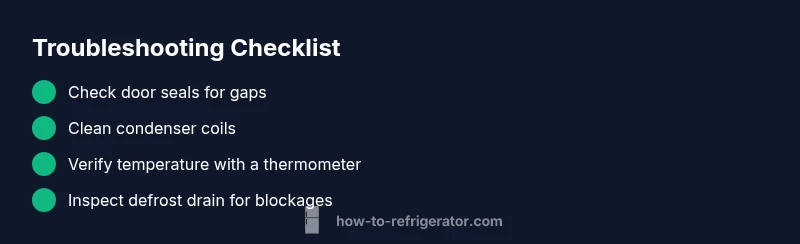
Starting with the most likely culprits, a refrigerator that’s going bad usually shows uneven cooling, frost or condensation buildup, or unusual noises. Begin with simple checks you can do safely: verify the door seals seal tightly, confirm the condenser coils are clean, and ensure the unit isn’t overloaded. If these don’t fix the issue, proceed to deeper diagnostics.
Why It Matters When a Fridge Goes Bad
When a refrigerator starts acting up, it isn’t just inconvenient — it can lead to spoiled food, higher energy bills, and bigger repairs down the line. Understanding how to tell if refrigerator is going bad helps you catch issues early, save food, and protect your investment. The goal is to identify the root cause, prioritize safe, quick fixes, and know when to call in a professional. This guide draws on practical homeowner-tested methods and the most common failure patterns observed in real-world maintenance.
Common Early Warning Signs You Can Detect Today
Look for uneven cooling (some shelves much colder or warmer than others), frequent cycling on and off, frost buildup in the freezer or coils, condensation on interior walls, and unusual noises such as buzzing, clicking, or grinding. Leaking water or a persistent musty smell are other red flags. If you notice any of these signs, start with the simplest checks before diving into more complex fixes. Early detection often means cheaper fixes and longer appliance life.
Quick Diagnostic Checklist You Can Do Safely
This section covers quick checks you can perform without specialized tools. Start with the basics: verify the unit is plugged in and receiving power, confirm the thermostat is set correctly, and inspect door gaskets for cracks or gaps. Then move to airflow: ensure vents aren’t blocked and internal shelves don’t impede circulation. Finally, inspect the exterior condenser area for dust buildup. Each step narrows down the possible causes and helps decide whether to DIY or call a pro.
Step-by-Step Diagnosis: From Symptoms to Solutions
Follow this structured approach to diagnose common fridge issues and apply safe fixes. Begin by confirming power and temperature settings, then examine door seals, then clean the condenser coils, check for frost and defrost drainage issues, and assess fan operation. If problems persist after these steps, you likely need a professional diagnosis, especially for compressor or refrigerant-related concerns. Document symptoms and times to aid the technician and speed repairs.
Safety Tips and When to Call a Pro
Safety first: unplug before any cleaning or hardware access; avoid using metal tools on coils; never bypass safety features. If you hear persistent grinding, buzzing, or feel heat from the back panel, stop and call a technician. Handling refrigerant or internal components without training can be dangerous and may void warranties. When in doubt, a professional assessment protects your home and food.
Prevention Tips to Extend Refrigerator Life
Regular maintenance is your best defense. Clean coils every 6–12 months, check door seals for wear, keep the interior organized to ensure airflow, and monitor temperatures with a fridge thermometer. Address minor issues promptly to prevent them from becoming major failures. A small, consistent maintenance routine can dramatically extend life and efficiency.
What to Do If Your Fridge Isn’t Cooling After a Power Outage
Power outages can disrupt temperature stability. If cooling doesn’t resume after power returns, start by unplugging and plugging back in, then recheck thermostat settings. If the fridge remains warm after 24 hours or shows frost buildup, this signals a potential thermostat or compressor issue requiring professional attention.
Steps
Estimated time: 45-60 minutes
- 1
Check power, settings, and airflow
Confirm the fridge is plugged in, the display is on, and the temperature is within the recommended range. Listen for proper fan operation and ensure nothing blocks vents inside the unit.
Tip: Use a fridge thermometer to verify actual temps (35–38°F / 2–3°C). - 2
Inspect door seals and gaskets
Close the door and test for a tight seal. Look for cracks or gaps around the gasket and run a quick test with a dollar bill or a piece of paper to see if it pulls out easily.
Tip: Replace worn gaskets promptly to restore efficiency. - 3
Clean condenser coils and ensure airflow
Unplug the unit and use a brush or vacuum to remove dust from coils on the back or underneath. Leave at least 1–2 inches clearance around the coils for proper airflow.
Tip: Avoid spraying water directly on coils; let them dry fully before reconnecting. - 4
Check for frost buildup and defrost drain
If you see frost on the evaporator or freezer walls, run a defrost cycle and inspect the defrost drain for clogs. Clear any blockage to restore proper drainage.
Tip: Excess frost may indicate a more complex defrost or seal problem. - 5
Listen for unusual noises and test the fan
Identify if the evaporator or condenser fan is making grinding or rattling noises and verify it spins freely when possible. Noise can signal a failing motor or fan blade.
Tip: Persistent noises deserve professional inspection. - 6
Verify interior airflow and organize shelves
Ensure air can circulate freely; avoid overloading shelves which can block vents. Proper organization helps maintain even cooling.
Tip: Don’t overfill the fridge; allow air to circulate around items. - 7
Decide when to call a professional
If temperatures remain off after doing the above steps, or if you suspect refrigerant or compressor issues, schedule a repair with a qualified technician.
Tip: Provide symptom notes and photos to help the tech diagnose quickly.
Diagnosis: Refrigerator not cooling or cooling inconsistently
Possible Causes
- highDoor seals are loose or damaged
- highCondenser coils are dirty or blocked
- mediumThermostat or temperature control malfunction
- lowDefrost system or defrost drain issues causing frost buildup
Fixes
- easyInspect door gaskets for cracks or gaps and replace if needed
- easyClean condenser coils and ensure proper airflow around the unit
- mediumTest the thermostat with a thermometer and calibrate or replace if faulty
- mediumCheck defrost drain for blockage and perform a defrost cycle
FAQ
What are the first signs my refrigerator is going bad?
Look for uneven cooling, frost buildup, condensation, leaks, and unusual noises. These signs suggest issues with seals, coils, or the thermostat and warrant a quick check.
Common early signs are uneven cooling, frost, leaks, and odd noises.
Can a dirty condenser coil cause poor cooling?
Yes. Dirty coils reduce heat transfer efficiency, causing warm spots and higher energy use. Clean coils safely to improve performance.
Dirty coils can cause poor cooling; cleaning helps.
Should I attempt fridge repairs myself or hire a pro?
For basic fixes like door seals or coil cleaning, you can DIY safely. Complex issues like refrigerant or compressor work require a licensed technician.
For complex issues, call a professional.
How often should condenser coils be cleaned?
Clean coils every 6–12 months, or more often if you have a dusty environment. Regular cleaning helps maintain efficiency.
Clean coils every 6–12 months, more in dusty spaces.
Is a noisy fridge dangerous?
Persistent buzzing or grinding can indicate a failing fan or compressor. Have a pro check it to avoid further damage.
Persistent noises mean you should get it checked.
Watch Video
Top Takeaways
- Check seals and coils first when cooling is inconsistent.
- Monitor temps with a fridge thermometer.
- Follow the diagnostic flow for safe fixes.
- Call a pro if noises persist or fixes don’t help.
- Prevent failures with regular maintenance.