How to Refrigerate Pickled Jalapeños: A Home Guide
Learn to refrigerate pickled jalapeños safely with a tangy brine, clean jars, and proper storage for crisp, flavorful peppers.


This guide helps you refrigerate pickled jalapeños safely and tastefully. You'll prepare a tangy vinegar brine, sterilize jars, pack jalapeño slices, cover with brine, and seal tightly. Store in the refrigerator's coldest shelf, monitor for spoilage, and use within 4–6 weeks for best texture and flavor. Keep containers upright to avoid leaks and label dates.
Why Refrigeration Matters for Pickled Jalapeños
Refrigeration matters for pickled jalapeños because it slows spoilage and keeps texture crisp. A refrigerator temp around 40°F (4°C) slows the growth of spoilage organisms and ensures the pepper's crunch stays intact even after weeks in cold storage. According to How To Refrigerator, refrigeration is essential for safe, high-quality preserved foods. When you pickle peppers and then keep them cold, the acidity from the vinegar works with the cold to suppress bacteria that can cause off flavors. This combination isn't just about safety; it also preserves color and texture, making each bite vivid and satisfying. If you keep peppers at room temperature or in a warm cupboard, you risk faster spoilage and potential food safety issues. The goal is to maximize shelf life without sacrificing flavor. For most home setups, a standard household fridge provides ample cold, stable conditions. Remember to use clean jars and fresh peppers; any contamination at the outset reduces the lifespan of the entire batch. How To Refrigerator analysis shows that colder storage helps maintain crispness and flavor in refrigerated pickles.
To achieve reliable results, start with clean surfaces and good hygiene. Use gloves when handling hot peppers to protect skin from capsaicin, and avoid cross-contamination from other foods. If you notice any off smells, unusual cloudiness in the brine, or mold growth, discard the batch and start fresh. Proper handling isn’t just about safety—it preserves the bright color and sharp bite that make pickled jalapeños so appealing on tacos, sandwiches, and nachos.
Selecting Jalapeños and Preparing Produce
Choosing peppers that are firm, glossy, and free of bruises yields a crisper end product. Look for peppers that are bright green with smooth skins; avoid soft spots or yellowing skins, which can indicate aging or poor storage. Before slicing, wash peppers under cool running water and pat dry with a clean towel. Remove stems and, if you prefer milder heat, remove some seeds and membranes; keep optional seeds for extra heat if you like. Wearing gloves is strongly recommended when handling hot peppers, because the oils can irritate skin and transfer to eyes. Slice peppers into rings or strips with steady, even cuts to ensure uniform brining. Save seeds and trimmings for compost if possible, and keep sliced peppers in a clean, dry bowl until you’re ready to jar them. The goal is to prepare peppers that fit neatly into jars and absorb brine evenly. The How To Refrigerator team notes that proper prep reduces waste and improves texture in the finished product.
Understanding the Refrigerator Pickling Method
Refrigerator pickling relies on a vinegar-based brine that preserves peppers without the need for canning. This approach uses the acid in the brine to control microbial growth while the cold environment slows fermentation and preserves texture. The vegetables stay crisp because the brine stays relatively cold and the packaging minimizes air contact. In general, you’ll combine vinegar, water, salt, and optional sweeteners or flavor boosters to create a bright, tangy soak. The amount of acidity and salt level will influence both safety and flavor; balance matters. How To Refrigerator analysis shows that low-to-moderate salt plus a stable cold temperature helps keep crispness in refrigerator pickles. Expect flavor to intensify slightly as peppers sit in the brine, especially after the first 24 hours of chilling in the fridge.
Preparing Your Brine: Vinegar, Salt, and Flavor Boosters
A reliable refrigerator brine starts with a substantial acid level and a clean salt balance. A common ratio for a quart-size jar is 1 cup distilled white vinegar (5% acidity) to 1 cup water, plus 1–2 tablespoons salt. You can add sugar to balance acidity if you like a milder profile, or keep it unsweetened for a sharper tang. Flavor boosters like garlic cloves, mustard seeds, peppercorns, bay leaves, and a pinch of crushed red pepper flakes elevate the profile without altering safety. Bring the mixture to a gentle simmer to dissolve salt and any sugar, then cool the brine to room temperature before filling jars. The brine should be hot enough to sanitize surfaces slightly, but cool enough to handle peppers safely. This step ensures a consistent brine that enhances color and bite across all jar contents.
Jars, Lids, and Sanitation: Keeping it Clean
Sanitation is non-negotiable when pickle-making. Wash jars and lids in hot, soapy water and rinse thoroughly; for extra assurance, boil jars and lids for 5 minutes and keep them hot until ready to fill. Dry jars with a clean towel or let them air-dry on a rack. Set up a clean work station with a dedicated cutting board and knife to prevent cross-contamination from raw produce. Use tongs to move peppers into jars, minimizing skin contact with the brine. Label each jar with the date so you can track freshness. By maintaining a clean environment, you preserve flavor and reduce the risk of spoilage.
How to Pack Jalapeños for Maximum Crunch
Pack peppers into jars with even density, leaving about 1/2 inch of headspace to accommodate brine expansion. Avoid overfilling, which can cause spillage when you open or move jars later. Layer peppers and flavor boosters evenly to promote consistent flavor throughout each jar. When possible, remove air pockets by gently tapping jars or using a spoon to nudge peppers into place. Pour cooled brine over the peppers until it covers them completely, maintaining the headspace. Tighten lids finger-tight and refrigerate promptly. This method helps maintain crunch and ensures the brine saturates all pieces for even taste. The goal is uniform saturation and a clean seal to support long, crisp refrigeration.
Flavor Variations and Add-ins
If you want a bolder profile, experiment with roasted garlic, dill, or a touch of lime juice for brightness. You can also vary vinegar type (apple cider vinegar adds fruity notes) or add a pinch of sugar for a sweeter finish. For more heat, include a few sliced jalapeño seeds or a dash of hot pepper flakes. Always introduce new flavors in small increments and taste before committing to full batches. Remember that flavor compounds in peppers can intensify with time, so plan to adjust acidity and salt to taste during subsequent batches. How To Refrigerator recommends documenting your tweaks so you can recreate your favorite version.
Storing and Aging: How Flavor Develops in the Fridge
Once jars are filled and sealed, refrigerate immediately. The flavor notes will mature as the peppers sit in the brine, especially after the first 24 hours. Store jars upright to minimize leakage and avoid shifting brine. Check for bubbles or cloudiness, which can indicate spoilage, and always inspect the lid for signs of bulging or corrosion. In a well-maintained fridge, refrigerated pickled jalapeños typically stay at peak quality for several weeks. Consistent cold temperature helps maintain texture and color, ensuring the peppers stay appealing when you pull them from the shelf. The How To Refrigerator team emphasizes labeling and dating to track freshness and plan consumption.
Safety and Spoilage: What to Watch For
Even refrigerated, pickled jalapeños can spoil if kept too long or if contamination occurs. Look for off smells, an unusual slimy texture, or visible mold on the surface or inside the jar. If you notice any signs of spoilage, discard the jar and sanitize the area where it was stored. Do not taste questionable brine or peppers; discard immediately. For batches that show signs between uses, discard any peppers touched by contaminated brine and re-chill new batches separately. Remember: refrigeration slows spoilage but does not halt it indefinitely, so timely consumption is key. If you follow proper sanitation and storage practices, you can minimize waste and maximize flavor.
Using Refrigerated Pickled Jalapeños in Dishes
Chilled pickled jalapeños shine in tacos, burgers, sandwiches, and salads. Add slices to brighten a bowl of nachos or to top a grilled cheese for a tangy kick. For a milder bite, remove the membranes and seeds before pickling; for extra heat, include seeds and crushed red pepper. The cool bite from refrigeration complements creamy toppings like avocado or sour cream, balancing fats with acidity. These peppers also work well in recipes that benefit from a crisp-textured accent, such as pickled relish blends or zesty marinades. Experiment with portions to suit your palate, and store any leftovers in clean jars for future meals. The How To Refrigerator team recommends using a dedicated jar for each dish to maintain flavor clarity.
Quick Start Recap: What You’ll Do in 60–90 Minutes
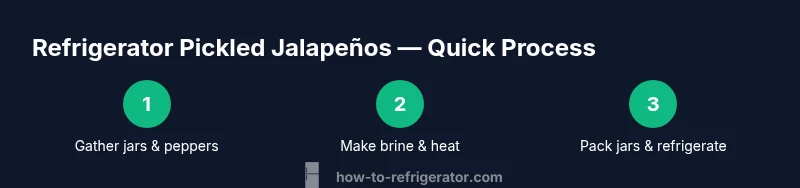
- Prep jars and peppers; 2) Make and cool brine; 3) Sterilize gear; 4) Pack peppers; 5) Add brine and refrigerate. This sequence minimizes waste and ensures a crisp, flavorful result. This approach is ideal for beginners and seasoned cooks alike, offering a reliable, safe path to delicious refrigerator pickles.
Tools & Materials
- Mason jars with airtight lids (quart size)(Sterilize before use; plan for 4-6 jars for a typical batch.)
- Non-reactive pot for brine(Stainless steel or enamel; 1-2 quart capacity is enough.)
- Gloves (nitrile or latex)(Protect hands from chili oils during prep.)
- Sharp knife and cutting board(Evenly slice peppers for uniform brine absorption.)
- Measuring cups and spoons(Accurate brine ratios matter for safety and taste.)
- Tongs or jar lifter(Move peppers safely without touching brine.)
- Label maker or marker(Date jars to monitor freshness.)
- Dish towels and clean rack(Dry jars and allow air-drying on a clean surface.)
- Refrigerator thermometer(Optional to verify fridge is at or below 40°F (4°C).)
Steps
Estimated time: 60-90 minutes active, plus 24 hours recommended chilling before tasting
- 1
Gather and prep jars
Wash jars and lids in hot, soapy water; rinse thoroughly. Boil jars for 5 minutes to sterilize, then set on a clean rack to dry. Gather peppers, cutting board, knife, gloves, and brine ingredients so everything is ready for filling.
Tip: Keep jars hot until you’re ready to fill to prevent cracking when you ladle hot brine. - 2
Make the brine
Combine vinegar, water, and salt in a non-reactive pot; bring to a simmer and stir until salt dissolves. If using sugar, add it now and stir until dissolved. Allow brine to cool to room temperature before pouring into jars.
Tip: Taste the brine after cooling: it should be tangy and balanced; adjust salt if needed before packing. - 3
Sterilize jars and equipment
If you haven’t already, boil the filled jars and ladles for an extra minute. Remove with tongs and place on a clean towel to dry. Ensure all utensils that touch peppers are clean and dry to prevent contamination.
Tip: Always keep hot brine away from skin; use mitts when handling hot jars. - 4
Slice jalapeños and pack jars
Wearing gloves, slice jalapeños into rings or strips. Pack them tightly into jars, alternating layers with any flavor boosters you’re using. Leave about 1/2 inch headspace for brine expansion.
Tip: Tap jars gently on the counter to remove air pockets; avoid smashing peppers. - 5
Add brine, seal, and refrigerate
Pour cooled brine over peppers until fully submerged. Wipe rims, seal with lids, and refrigerate promptly. Allow at least 24 hours for flavors to develop before tasting.
Tip: Label jars with date; separate batches for different heat levels if needed.
FAQ
How long do refrigerated pickled jalapeños last?
Typically 4–6 weeks in the refrigerator when stored properly and kept sealed. Always inspect for off smells, cloudiness, or mold before consuming. If in doubt, discard.
They usually last around four to six weeks in the fridge, but always check for spoilage signs before eating.
Can I reuse the brine for another batch?
Yes, you can reuse cooled brine once if you boil it again before using and ensure it remains clear and clean. If it looks cloudy or off, discard and make fresh brine.
You can reuse the brine once if you boil it first and it stays clean; otherwise discard.
Can I adjust the heat level when refrigerator-pickling jalapeños?
Yes. Increase heat by keeping more seeds, adding hot pepper flakes, or choosing hotter jalapeños. Decrease heat by removing seeds and membranes before brining.
You can control heat by adjusting seeds and pepper choices.
Do I need to can these peppers if I refrigerate them?
No. Refrigerator pickles do not require pressure canning. They’re intended for refrigerated storage and should be consumed within the recommended time frame.
No canning necessary for fridge pickles; just refrigerate and use within the recommended time.
What if I don’t have white vinegar?
Apple cider vinegar can be used, but it will alter flavor slightly. Ensure the acidity level remains high enough to preserve the peppers safely.
You can use apple cider vinegar, but expect a flavor variation.
Should I remove seeds before pickling for less heat?
Removing some or all seeds will reduce heat, but leaving seeds in will increase heat. Decide based on your tolerance and the intended diners.
Removing seeds lowers heat; leaving seeds keeps it hotter.
Watch Video
Top Takeaways
- Keep peppers cold to maximize safety and texture.
- Sanitize jars, utensils, and surfaces before use.
- Use a balanced brine and wait at least 24 hours for flavor.
- Label dates and store upright to prevent leaks.