How to Make Refrigerator Pickles: A Step-by-Step Guide
Learn how to make crisp refrigerator pickles with a simple, safe brine, flexible flavor options, and practical storage tips. This guide covers ingredients, equipment, step-by-step instructions, troubleshooting, and variations for dill, garlic, and heat.


In this guide you’ll learn how to make refrigerator pickles quickly without canning, using a simple brine and a crisp hydration method. You’ll gather basic ingredients, assemble a jar, and refrigerate for flavor development. Expect fresh-tasting pickles in as little as 24 hours with best results after 48 hours, plus tips for flavor variations and safe storage.
What Makes Refrigerator Pickles Special and Why Home Cooks Choose This Method
Refrigerator pickles are a fast, practical way to enjoy crisp, tangy cucumbers without the pressure canning process. By using a cooling, acidified brine in clean jars, you trap flavor while keeping the texture bright and crunchy. This method is ideal for quick experiments, small batches, or when you want a weekly rotation of flavors for sandwiches, snacks, and side dishes. The core idea is to impart acidity and aroma through a fridge-safe environment, so you don’t need to heat process jars. As you’ll discover, timing matters: the best texture and color come from handling cucumbers gently and letting them marinate long enough to absorb the brine.
First Principles: The Brine and Its Role in Crisp Pickles
The brine is the backbone of refrigerator pickles. A balanced mix of acid, salt, and flavoring agents draws water from cucumber flesh while infiltrating its surface, creating a crisp texture and a tangy profile. Because you’ll refrigerate the jars, there’s no pressure canning risk, but proper cleanliness and fresh ingredients remain essential. A well-made brine should be enough to submerge the cucumbers and cover aromatics, ensuring even flavor distribution while preventing spoilage. If you love a softer bite, reduce salt slightly; if you prefer stronger tang, a touch more acid can help, within safe refrigeration limits.
Ingredient Choices and Flavor Foundations
Cucumbers are the star, but feel free to mix in other crisp vegetables if desired. You’ll want fresh cucumbers with firm skin and a compact, crunchy texture. Classic flavor profiles use dill, garlic, mustard seeds, peppercorns, and a touch of sugar for balance. Vinegar provides tang, while water modulates the acidity to a comfort level. For a milder pickle, use more water and less vinegar; for bolder flavor, add more aromatics. The goal is a bright, aromatic brine that penetrates without turning the cucumber into mush.
The Equipment You’ll Need and How to Prep It
Cleanliness is your friend here. Start with glass jars that seal well and can fit your cucumber spears or slices comfortably. A cutting board and knife help you cut evenly, preserving texture. A measuring cup or ladle makes brine transfer precise, and a funnel reduces spills when filling jars. You’ll also want a clean counter area and a fridge with stable temperature. Labeling jars with date and flavor helps you track progress. By organizing before you begin, you reduce errors and speed the process.
Flavor Variations to Suit Any Taste
Dill and garlic are timeless, but there are endless riffs. For heat lovers, add crushed red pepper or a sliced chili. For a smoky note, toss in smoked paprika or peppercorns. Try a touch of onion for sweetness and depth, or add fresh herbs like coriander or tarragon for brightness. If you prefer crisper results, experiment with shorter brine times and thinner cucumber slices. The fun of refrigerator pickles is that you can tailor flavors in small test batches before committing to a larger jar.
The Science of Texture: Why Refrigeration Keeps Them Crisp
Cucumbers released their moisture during brining, but a cool environment slows enzyme activity that would otherwise soften the flesh. The crispness emerges from the cucumber’s natural cell structure and the osmotic balance created by the brine. Temperature also plays a role: cooler, stable refrigeration preserves snap. If you notice limp texture, it could indicate over-marination or warmer fridge temperatures; adjust next batch by slicing thinner or chilling longer before serving.
Safety and Storage: Keeping Your Pickles Safe and Fresh
Always start with clean jars and fresh vegetables. Store refrigerator pickles in the fridge and consume within a safe window, typically several weeks if kept cold and sealed. When brine is shared across jars, ensure each jar remains fully submerged to prevent mold. If you notice off smells, unusual colors, or sliminess, discard that jar. Do not reuse brine from one batch to another, as cross-contamination risks increase with time and repeated use.
Troubleshooting Common Issues: Texture, Color, and Aroma
If cucumbers turn soft, consider reducing salt slightly, cutting thinner, or shortening marination time. Dark spots or color changes may indicate storage time exceeded or improper temperature; discard affected pieces and adjust next batch. If the brine becomes cloudy, this can be normal during early fermentation or spice infusion but watch for any signs of spoilage. A bright aroma with clean dill and garlic notes usually signals a successful outcome.
Quick Tips for Efficient Prep and Consistent Results
Set up a dedicated pickling station with jars, brine, and aromatics organized. Use uniformly sized cucumber pieces for even brine absorption. Pack jars gently to avoid bruising the cucumbers, which can degrade texture. Label batches by flavor and date to monitor flavor development. Finally, plan a 24–48 hour window for flavors to mature before enjoying, with a longer wait sometimes yielding deeper tang and aroma.
Final Thoughts: Enjoying Your Refrigerator Pickles Regularly
With simple ingredients, a calm process, and a few flavor experiments, refrigerator pickles offer fresh, punchy crunch any day of the week. They pair beautifully with sandwiches, salads, and charcuterie boards. The more you practice, the better you’ll understand your preferred balance of tang, sweetness, and spice, turning this quick project into a staple of your kitchen repertoire.
Tools & Materials
- Glass jars with tight-fitting lids (1-quart or 1-liter)(Choose jars that accommodate cucumber slices or spears; ensure lids seal well.)
- Fresh cucumbers (small to medium, firm)(Prefer cucumbers with crisp texture; wash and trim ends.)
- White or apple cider vinegar(Acid component; avoid pre-sweetened varieties.)
- Water(Cold or room temperature; adjusts brine strength.)
- Kosher salt or pickling salt(Avoid iodized table salt for clearer brine.)
- Granulated sugar (optional)(Balances acidity when desired.)
- Dill seeds or fresh dill(A classic herb; adjust amount to taste.)
- Garlic cloves (peeled)(Adds aroma; adjust to preference.)
- Mustard seeds, peppercorns (mixed)(Choose to enhance spice and texture.)
- Crushed red pepper or chili flakes (optional)(For heat lovers; use sparingly.)
- Sterilizing kettle or pot (optional for pre-sterilizing jars)(Not required for fridge pickles, but helpful for extra safety.)
- Label and marker(Date and flavor for easy tracking.)
Steps
Estimated time: 40-60 minutes active; 24-48 hours refrigeration for flavor development
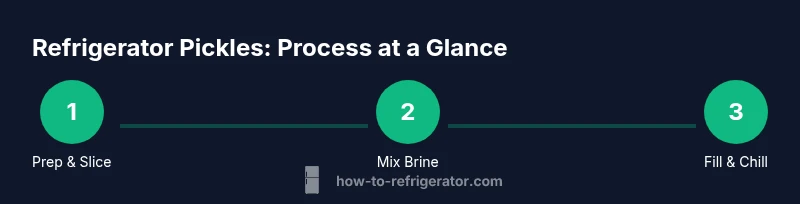
- 1
Gather ingredients and prepare jars
Wash jars and lids with hot, soapy water; rinse thoroughly. Dry completely. Gather all ingredients and place near your prep area to keep the workflow smooth.
Tip: Pre-warm jars under a warm towel to reduce temperature shock when brine is added. - 2
Make the brine base
In a measuring cup, combine vinegar, water, salt, and sugar (if using). Stir until the salt dissolves. Adjust to taste, aiming for a balanced tang and sweetness.
Tip: Keep brine cold until you’re ready to fill jars to preserve cucumber texture. - 3
Slice cucumbers evenly
Trim ends and cut cucumbers into spears or rounds depending on jar size. Uniform pieces help brine penetration and even flavoring.
Tip: If you prefer crunchier pickles, avoid very thin slices that can become soggy. - 4
Pack aromatics into jars
Add dill, garlic, mustard seeds, peppercorns, and optional chili to the bottom of each jar. These aromatics set the flavor foundation.
Tip: Distribute aromatics evenly to ensure each bite is flavorful. - 5
Fill jars with cucumbers and brine
Tightly but gently stack cucumber pieces into jars, leaving some headspace. Pour the brine over until cucumbers are covered.
Tip: Use a clean tool to push cucumbers below the brine without bruising them. - 6
Seal and label
Wipe rims, close lids tightly, and label with flavor and date. Refrigerate immediately.
Tip: Avoid over-tightening lids; leave a tiny gap to prevent airlock buildup. - 7
Refrigerate and wait
Let pickles sit in the fridge for at least 24 hours; optimal flavor develops by 48 hours. Check texture and taste before consuming.
Tip: Keep jars upright and away from strong-smelling foods to prevent flavor transfer.
FAQ
What are refrigerator pickles and how do they differ from shelf-stable pickles?
Refrigerator pickles are cucumbers flavored and preserved by a brine kept in the fridge. They don’t undergo heat processing, so they rely on clean jars and cold storage for safety and texture. Shelf-stable pickles are processed in a hot-water bath to seal and preserve at room temperature for longer shelf life.
Refrigerator pickles are simply cucumbers preserved in a brine in the fridge, not heat-processed. Shelf-stable varieties are processed for long-term storage at room temperature.
Can I use table salt instead of pickling salt?
Table salt can cause cloudiness or cloudy brine and may contain iodine that affects flavor. It’s best to use kosher or pickling salt designed for brines and food preservation to keep flavors clear.
Table salt can make brine cloudy and alter flavor; use kosher or pickling salt for best results.
How long do fridge pickles last in the fridge?
When kept cold and properly sealed, refrigerator pickles stay good for several weeks. Always inspect for off smells or unusual textures before consuming. If in doubt, discard the jar.
Fridge pickles can last several weeks if stored cold and sealed, but check for spoilage signs before eating.
Can I reuse the brine for a new batch of pickles?
It’s not recommended to reuse brine after it’s been in contact with produce, as this can introduce bacteria or off-flavors. Start with fresh brine for each batch.
Avoid reusing brine for safety and flavor consistency; begin with fresh brine each batch.
What jar size works best for refrigerator pickles?
1-quart jars (or 1-liter) are a versatile size for sliced or spear-cut cucumbers. Choose sizes that fit your refrigerator shelves and your preferred cut style.
A standard quart jar is a great starting point for balanced brine exposure and easy storage.
Do I need to sterilize jars for fridge pickles?
Sterilizing jars isn’t required for fridge pickles, but using clean jars and lids helps reduce spoilage risk, especially if you store longer. Quick hot-water rinse is often sufficient.
Jars should be clean, and hot-water rinsing suffices for fridge pickles; full sterilization isn’t necessary for short-term storage.
Top Takeaways
- Choose crisp cucumbers and a balanced brine for best texture.
- Flavor is built with aromatics; adjust to taste with dill, garlic, and spice.
- Refrigeration is key—no canning required, but cleanliness matters.
- Wait 24-48 hours for flavor development before enjoying.
- Store pickles in the fridge and discard if signs of spoilage appear.