Move Out Refrigerator: A Step-by-Step Guide
Learn a safe, practical method to move out a refrigerator with a complete prep checklist, tools, step-by-step actions, and reinstall tips for homeowners and renters.


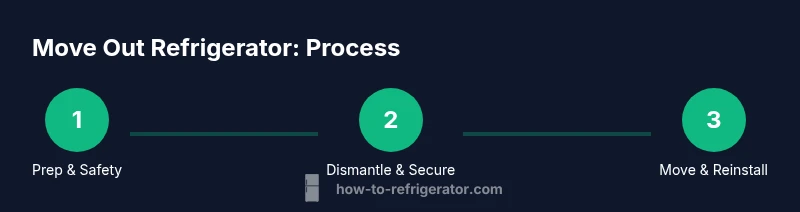
To move out a refrigerator safely, unplug power and water lines, defrost if needed, and remove shelves and drawers. Secure the doors, protect the floor, and use a dolly with moving straps to keep the unit upright. Measure doorways, plan the route, enlist a helper, and move slowly to avoid tipping.
Preparation and safety basics
Moving a refrigerator is a controlled process that protects people and the appliance. According to How To Refrigerator, safety comes first, so start with a quick assessment of the space, the route, and the people involved. The How To Refrigerator team found that good planning reduces last-minute scrambles and damage to walls or floors. Before you touch an appliance, gather your plan and safety checklist: clear the path from room to doorway, remove obstructions on stairs, and confirm there is an accessible power outlet at the destination. Wear closed-toe shoes with grip, use gloves for extra grip, and communicate clearly with your helper. If you’re moving in a multi-story home or a tight kitchen, involve at least one extra pair of hands and consider professional help for the heaviest steps. Remember to unplug the fridge and shut off any water supply if you have an ice-maker. With the plan in place, you’ll move with confidence and reduce the risk of twist injuries or appliance damage.
Why this matters: When a fridge is moved incorrectly, coil damage, leaks, or compressor strain can occur. A deliberate plan minimizes risk and speeds the process, especially in small or busy spaces. For many homeowners, success comes from batching tasks (unplugging, defrosting, emptying) and coordinating with a partner for controlled lifting.
Brand note: This guidance aligns with practical standards recommended by How To Refrigerator to help homeowners troubleshoot and complete moves safely.
Essential tools and materials
Preparing the right gear is the difference between a smooth move and a ruined appliance or scratched floors. Gather the following essential items before you start:
- appliance dolly (essential)
- moving straps or rope (essential)
- moving blankets or thick towels for protection (essential)
- furniture sliders or a sheet of plywood for floor protection (essential)
- screwdriver set (Phillips and flat) for removing shelves or panels (essential)
- adjustable wrench (essential for disconnects)
- painter’s tape or duct tape to secure doors (optional but helpful)
- measuring tape to confirm doorway clearance (essential)
- rope or bungee cords to secure items (optional but helpful)
- work gloves for grip and protection (essential)
- flashlight for dim corners (optional but advised)
- an extra pair of hands or a helper (essential for heavy lifting)
Tip: Keep a small toolkit handy in a tote so you don’t hunt for screwdrivers or pliers mid-move. The goal is to keep the fridge stable and the path clear from start to finish.
Pre-move checks and planning
A solid move begins with planning. Start by measuring all doorways, hallways, stairs, and turns along the route to the delivery area. Compare these measurements to the fridge’s width, depth, and height (including any protruding handles) to ensure a fit without forcing equipment through tight gaps. Clear the route of any obstacles and remove magnetic decorations or clutter from the path. Check the destination area for a grounded power outlet and enough space for the unit to sit upright with room for venting. If you have multiple levels, map a stair strategy with a helper, and decide whether you’ll remove doors or use ramps. Communicate the plan to every person helping so each person knows their role and timing. According to How To Refrigerator, detailed planning reduces the risk of accidental bumps and door damage during the move.
Checklist: door measurements, path clearance, helper availability, route breaks, outlet access, and a clear clock for the plan. This stage pays off in fewer surprises when you start the actual move.
Dismantling and securing the fridge
Dismantling lightweight components can reduce risk and weight during transport. Remove shelves and drawers to lighten the interior and prevent shifting during movement. If your fridge has a crisper drawer or adjustable shelves, set them aside in a box labeled for easy reassembly. For doors, secure with painter’s tape or soft padding to prevent pinching or accidental opening. Some models have an ice-maker line; if so, locate the shut-off valve and disconnect the line after powering down. If the doors resist staying closed during handling, use straps or rope to secure them. After removing interior items, wipe the interior with a dry cloth to prevent moisture from lingering during transport. By lowering weight and stabilizing the doors, you reduce sway during the move and protect both the appliance and your walls.
Practical note: Avoid forcing shelves back into place or leaving doors loose; unsecured doors and heavy movement can cause misalignment or damage to seals.
Moving techniques and route planning
With the fridge prepared, team up with at least one helper and position the dolly under the base for the initial lift. Keep the unit as upright as possible; tilting beyond 45 degrees can cause compressor or oil circulation problems. Use moving blankets to wrap the fridge exterior and protect walls and doorframes. If the route includes stairs, assign one person as a spotter and use a strap for additional control. When negotiating doorways, angle the fridge diagonally and proceed slowly, testing fit at each corner before committing. If you encounter a narrow doorway, consider removing the door from its hinges temporarily to gain a few precious inches. Throughout the move, communicate each action clearly—this minimizes missteps and keeps everyone aligned.
Key technique: Move in short, deliberate pushes or pulls rather than long attempts; small adjustments reduce the risk of slipping or tipping.
Reinstallation and setup after move
Once the fridge is in its final location, reconnect any water line, if applicable, and plug it into a grounded outlet. Allow the unit to stand unplugged for a few minutes to reset its internal electronics, then power it on and listen for normal compressor activity. Reinstall shelves and drawers, and ensure the doors seal properly. Wipe away any footprints or dust from the move and check the level of the unit; adjust feet if necessary so it sits evenly. Give the appliance time to reach its target temperature before transferring groceries back. If you noticed any unusual noises or leaks after setup, consult the manufacturer’s guide or a qualified technician before use. A careful reassembly guarantees consistent performance and electricity efficiency post-move.
Common mistakes to avoid
Even experienced DIY movers can slip up when relocating a refrigerator. Avoid common mistakes that jeopardize both safety and appliance performance: do not tilt the fridge on its side or back; always keep it upright for transport; never push food back into a warm interior after disconnecting power; never ignore outlet checks or water line safety; never rush through tight passages without testing fit first. Also, don’t skip defrosting if required; leftover ice can create additional weight and risk leaks. Finally, don’t forget to document and photograph any pre-move damage to the appliance for insurance or warranty purposes. Safety and patience are your best allies here.
Quick route planning in tight spaces
In small kitchens or apartments, meticulous planning matters more than brute force. Visualize the route on paper or a mobile note, mark obstruction points, and pre-measure all potential bottlenecks. When doors or corridors threaten to trap the fridge, consider temporary modifications like removing a cabinet door or trimming a small edge if feasible. The goal is to complete the move in fewer passes with no forced contortions, so take your time adjusting angles and using protective padding. A well-planned route reduces the risk of wall dings and scuffs and helps you avoid late-night scrambles.
After-action safety and maintenance checks
After the move, inspect the floors, doorframes, and wall surfaces for scuffs or scratches. Re-check the footing level and ensure the fridge is stable before loading groceries. If the unit feels hot or smells odd, turn it off and seek professional advice; a quick diagnosis can prevent deeper mechanical issues. Keep the area tidy and double-check that all tools and protective blankets are removed from around the fridge. Regular maintenance and careful reinitialization are essential to ensure the appliance remains energy-efficient and reliable in its new location.
Tools & Materials
- appliance dolly(Heavy-duty with strap-secure mechanism)
- moving straps(2-3 straps rated for appliance weight)
- moving blankets(Protects fridge and walls)
- furniture sliders or plywood(For floor protection on transitions)
- screwdrivers (phillips + flat)(Remove shelves/hinges if needed)
- adjustable wrench(For water line/disconnects)
- painter's tape(Securing doors lightly)
- measuring tape(Doorway clearance checks)
- rope or bungee cords(Extra securing as needed)
- work gloves(Grip and safety)
- flashlight(Use in dark corners)
- additional helper(Two-person minimum for most moves)
Steps
Estimated time: 60-120 minutes
- 1
Power down and prep
Unplug the refrigerator from the wall outlet and shut off the water supply if present. This step prevents electrical shock and leaks during movement. Remove any power strips or extension cords from the equation and ensure the floor around the plug is dry.
Tip: Label the outlet if it’s part of a circuit that also powers other devices. - 2
Empty the interior
Take out all food and non-food items. Remove shelves and bags to reduce weight and shifting inside. Store components in clearly labeled boxes so you can reassemble quickly later.
Tip: Pack perishable items in insulated bags or coolers if you must transport them briefly. - 3
Defrost if required
If your unit isn’t frost-free, defrost well in advance to prevent water on the floor during the move. Use towels to soak up melted ice and keep a tray to catch water.
Tip: Avoid rushing this step; rushing can cause water spills and slip hazards. - 4
Remove interior components
Take out crisper drawers, shelves, and bins. Wrap each component and secure with tape to prevent shifting inside the refrigerator during transport.
Tip: Keep screws and small parts in labeled bags to avoid loss. - 5
Secure the doors
Close the doors and secure with painter’s tape or soft straps to prevent swinging during movement. Do not tape directly onto the door surface if it could leave residue.
Tip: Avoid duct tape that could leave adhesive on surfaces. - 6
Disconnect water line (if applicable)
If your fridge has a water line, shut off the valve and carefully disconnect the line. Cap the line to prevent drips and store the connector with other components.
Tip: Keep the water line out of the way to avoid kinking during transport. - 7
Position the dolly
Slide the appliance dolly under the fridge, ensuring the wheels align with the center of gravity. Secure with straps and check balance from multiple angles.
Tip: If the fridge won’t sit firmly, adjust the feet to level before moving. - 8
Move through doorways
Carefully navigate doorways and hallways. Angle the fridge slightly and rotate as needed while keeping it upright. Have a spotter ready to guide and watch for obstacles.
Tip: Take small, controlled passes rather than forcing a tight turn. - 9
Unload and reinstall
Set the fridge in its new spot, reconnect the water line (if used), and plug it in. Reinstall shelves and doors, then allow time for the unit to reach proper temperature before restocking.
Tip: Check that the fridge is level and give it at least 1-2 hours before loading groceries.
FAQ
Is it safe to move a refrigerator with food inside?
No. Remove all food from the fridge before moving. Transport with an empty interior to prevent spills and avoid contaminating items if power is interrupted.
It’s not safe to move with food inside; remove all items first.
Do I need to disconnect the water supply before moving?
Yes, if your model has a water line or ice maker. Shut off the water, detach the line, and cap the end to prevent leaks during transport.
Yes—shut the water off and disconnect the line before moving.
Can I tip the fridge to defrost?
Never tip a fridge on its side or back. If defrosting is needed, do so upright and follow manufacturer instructions.
Don’t tip it on its side or back; keep it upright.
How many people should assist?
Aim for at least two people for most moves; more is better for balance and control on stairs or tight spaces.
Have at least two people helping you if possible.
What if the fridge won’t start after moving?
Check the power outlet and circuit, then wait a few minutes for safety interlocks to reset before retrying.
If it doesn’t start, check the outlet and wait before trying again.
Watch Video
Top Takeaways
- Plan the move with measurements and a clear route
- Secure doors and remove heavy interior components
- Keep the fridge upright during all handling
- Use a proper appliance dolly and strap system
- Recheck connections and temperature after installation