How to Keep a Refrigerator from Freezing in the Garage
Learn practical steps to stop your garage fridge from freezing, including temperature management, sealing drafts, insulation, and safe upgrades. A homeowner-friendly guide by How To Refrigerator.


To keep your garage refrigerator from freezing, set it to the higher end of the manufacturer’s garage temperature range, usually around the mid-40s to 50s Fahrenheit if exposed to freezing garage temps. Use a digital thermometer to monitor internal temps, seal drafts around the door, and insulate the cabinet. If freezing persists, consider a garage-rated unit or thermostat controller.
Understanding the garage fridge problem
Garage environments pose unique challenges for refrigeration. Temperature swings between winter cold and summer heat can push a standard kitchen fridge beyond its optimum operating window. When a fridge runs in cold ambient conditions, the thermostat may misread the interior temperature, causing the compressor to cycle irregularly or overcool sections and leading to freezing of shelves, dairy, and produce. According to How To Refrigerator, many homeowners encounter this issue when a non-garage-rated unit is placed in a garage that isn’t climate-controlled. The goal of this guide is to translate that knowledge into practical, actionable steps you can take to keep the interior of your garage fridge from freezing while preserving food safety and energy efficiency.
In most cases, the cure is not a high-tech fix but a combination of temperature management, door sealing, insulation, and occasional equipment upgrades. You’ll learn how to read temperatures accurately, adjust settings safely, and decide when to replace a problematic unit with a garage-rated model. By following these steps, you’ll prevent frost buildup and reduce energy waste, keeping your food safe and your appliance reliable.
Common causes of freezing in garage settings
Freezing in a garage fridge typically comes from a few predictable sources. First, ambient temperatures that dip below the fridge’s designed operating range can cause the thermostat to misread and keep the compressor running or cycling irregularly, freezing items near the evaporator. Second, compromised door seals allow cold air to infiltrate, or warm air in during the day can create uneven cooling. Third, poor airflow around the back and sides of the unit (blocked vents or too-tight placement) forces the compressor to work harder and can freeze items near the walls. Finally, moisture from frequent door openings or spills can freeze on the evaporator coil if the defrost cycle isn’t keeping pace or if frost is allowed to accumulate.
How To Refrigerator emphasizes that the combination of drafty doors, insufficient insulation, and extended compressor activity will most often lead to freezer-like conditions inside the fridge compartment in garage environments.
How to choose a garage-friendly fridge and placement
Not all refrigerators are built for garage use. When the unit sits in a garage, it needs to tolerate wider temperature swings and occasional power interruptions. Look for models labeled as garage-ready or with an acceptable operating range for unconditioned spaces. In addition to choosing the right model, placement matters: allow at least a few inches of clearance on all sides for ventilation, avoid direct sunlight or proximity to heaters, and keep the back and sides away from walls to promote air movement. Use a stable shelf height and avoid placing heavy items against the rear coils. If you already own a standard unit, ensure it is level and that the door seals tightly; addressing physical fit can drastically reduce frost formation.
From a homeowner perspective, proper placement reduces the risk of freezing and makes it easier to manage temperature inside the box. How To Refrigerator recommends verifying that the unit’s internal temperature stays within a safe range using a dedicated thermometer rather than relying solely on the built-in thermostat.
Strategies to prevent freezing: temperature management, insulation, and sealing
The most direct way to prevent freezing in a garage fridge is to manage temperatures precisely. Start by setting the thermostat to the higher end of the recommended range, then monitor for a full day to see how the interior responds. Insulation plays a key role in buffering outside temperature: adding foam board or wrapped insulation to exposed cabinet panels, sealing gaps under the door with weatherstripping, and addressing joints with caulk can keep cold air inside while blocking cold drafts. Prioritize sealing gaps around the door and the upper hinge, and ensure there is enough clearance for airflow around the condenser coils at the back. If the ambient temperature routinely falls below the fridge’s operating window, you may need a more resilient solution.
Consider an external thermostat or a line-voltage thermostat designed for appliances in garages. This device can help regulate compressor cycling more predictably than the stock thermostat alone, reducing frost formation and extending the life of the unit. Always use equipment rated for outdoor or garage use and follow manufacturer safety guidelines when wiring or mounting a controller.
Temperature management tips for different climates
In milder climates, you can often maintain safe internal temperatures by using the fridge’s standard settings and improving insulation and draft protection. In colder climates or during freezing nights, you’ll want to avoid letting the ambient temperature drop the cabinet below its designed operating range. A practical rule of thumb is to keep the interior temp within the manufacturer’s recommended range for appliances, typically around mid-30s to upper-40s Fahrenheit, which is enough to keep food fresh without causing frost on shelves. If you frequently experience subfreezing garage temperatures, consider adjusting to the higher end of the range or using a garage-rated model. Always log temperatures for a week or two to identify patterns and adjust accordingly.
How To Refrigerator’s analysis suggests that a small increase in ambient buffer, such as insulation or a temperature controller, can significantly reduce frost risk without increasing energy consumption dramatically.
Practical installation and monitoring steps
This section walks you through a practical workflow to implement the changes without guesswork. Start by placing a digital thermometer inside the fridge at mid-height and a second one in the garage near the unit to track ambient conditions. Move the thermostat to the upper end of the recommended range and wait 24 hours while you monitor interior temperatures. If you notice continued frost buildup, add weatherstripping around the door and inspect the gasket for tears or compression. Recheck temperatures after each change to understand its impact. Keep a simple log of ambient and interior temperatures, noting door openings and any lengthy power outages. A methodical approach helps you avoid overcorrecting and keeps the fridge within a safe zone.
Tip: Do not plug the fridge into an extension cord or a shared power strip in a damp garage, which can be a fire risk. Use a dedicated outlet and ensure a clean, dry installation.
Maintenance and safety considerations for garage fridges
Regular maintenance reduces the risk of freezing and keeps the unit performing efficiently. Wipe down gaskets, clean coils if accessible, and ensure proper ventilation around the back of the unit. Check the defrost drain for clogs during seasonal changes; a blocked drain can cause frost to form inside the fridge. If you notice persistent frost or unusual noises, it’s wise to consult a professional and verify that the electrical connections meet safety standards for garage installations. In a garage setting, protect cords from moisture and ensure an active GFCI outlet is used for safety. Always unplug the unit before performing any internal inspections and never bypass safety features.
How To Refrigerator emphasizes doing simple, regular checks rather than making major, unverified modifications.
Alternatives and troubleshooting when problems persist
If, after implementing insulation, sealing, and thermostat adjustments, freezing continues, there are a few paths forward. First, consider relocating the fridge to a more stable climate zone within the garage or upgrading to a model rated specifically for garage use. Second, verify the defrost timer and evaporator coil for frost buildup beyond normal cycles; accumulated frost may indicate a defrost failure. Third, check electrical supply stability and confirm that the outlet is on its own circuit with adequate amperage. If a decision is made to replace, compare garage-rated models that are built to handle wider temperature swings and higher humidity. While replacing, review energy efficiency ratings and noise levels to minimize long-term operating costs.
Quick checks before winter
Before winter arrives, run a quick diagnostic: measure ambient garage temperature during cold nights, verify door seals are intact, and confirm the interior remains above freezing. A well-sealed, insulated cabinet, paired with a thermostat calibrated to the garage environment, makes a huge difference. Regular checks help you catch frost formation early and prevent large-scale blocking and ice buildup.
Conclusion and next steps
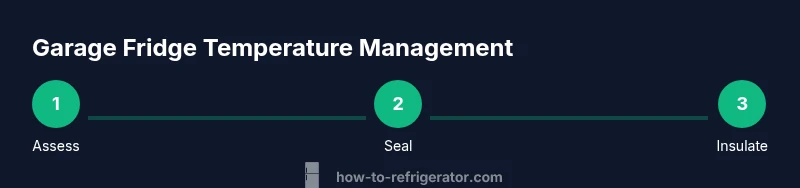
With a systematic approach to temperature management, insulation, and sealing, most garage fridges can be kept from freezing without expensive upgrades. Start with a thermometer and door seal inspection, then adjust the thermostat and add insulation as needed. If frost persists, consider a garage-rated model or an external thermostat to stabilize cycling. The How To Refrigerator team recommends following these steps in sequence to achieve reliable performance and longer appliance life.
Tools & Materials
- Digital fridge/freezer thermometer(Place one inside at mid-depth and another in the garage near the unit to track ambient temps.)
- Replacement door gasket(Check for cracks or warping; replace if the seal does not close tightly.)
- Weatherstripping or foam insulation tape(Seal gaps around the door and between the cabinet and frame.)
- Insulation kit (foam board or reflective insulation)(Use to cover exposed panels on back/bottom to buffer cold exposure.)
- External thermostat / temperature controller(Choose a unit rated for appliances and garage use to stabilize compressor cycling.)
- Caulk or silicone sealant(Seal small gaps around panels or mounting holes.)
- Basic screwdrivers set (Phillips and flat-head)(For adjusting panels, mounting brackets, and door hardware.)
- Gloves and safety glasses(Personal protection when handling insulation or sealant.)
Steps
Estimated time: 45-90 minutes
- 1
Assess garage environment and readings
Place a digital thermometer in the fridge and near the unit in the garage. Record ambient and interior temps for 24 hours to establish a baseline. Look for frost patterns or uneven cooling that signal thermostat misreads.
Tip: Take notes on door openings and vehicle use that might influence temps. - 2
Check and improve door seal
Inspect the door gasket for tears, cracks, or compression. Clean the gasket and test the seal by closing the door on a dollar bill or a piece of paper; if it slides out easily, the seal is compromised and needs replacement.
Tip: Replace worn gaskets promptly to prevent air leakage. - 3
Install or adjust temperature monitoring
Install a dedicated thermometer inside and near the fridge, then set the thermostat toward the higher end of the typical garage range. Avoid drastic changes in one step; monitor for at least 24–48 hours before additional adjustments.
Tip: Keep a simple log of readings to identify trends. - 4
Add insulation and seal gaps
Apply weatherstripping to the door and add insulation to exposed panels as needed. Seal any gaps around the cabinet with caulk to reduce cold drafts into the fridge.
Tip: Insulation reduces energy waste and frost risk in variable garage temperatures. - 5
Consider an external thermostat
If frost persists, install a garage-rated external thermostat designed for appliances to smooth compressor cycling. Follow the manufacturer’s wiring instructions and ensure a proper electrical outlet.
Tip: Use a dedicated outlet with GFCI protection for safety. - 6
Re-evaluate after a monitoring period
Continue to monitor interior and ambient temps for another 1–2 weeks. If temps stabilize within the safe range and frost stops forming, you’ve achieved durable control.
Tip: Document baseline shifts to plan future maintenance. - 7
Maintenance and safety check
Schedule periodic checks of gaskets, coils (if accessible), and wiring. Clean coils if dust or debris is present and test the defrost system if applicable.
Tip: Never bypass safety features or electrical protection devices.
FAQ
Why does my refrigerator freeze in a cold garage?
Cold ambient temperatures can cause the thermostat to misread interior temps, leading to frost buildup. Drafts and limited airflow also contribute to uneven cooling and freezing inside the fridge.
Cold garages can confuse the thermostat and cause frost. Drafts and poor airflow make freezing more likely.
Can a standard kitchen fridge work in a garage without freezing?
A standard kitchen fridge may work in a garage, but only if the space remains within the unit’s operating range. Garage-rated models are designed to tolerate wider temperature swings and humidity.
A standard fridge might work, but garage-rated units handle temperature swings better.
What temperature range should I set the fridge to in a garage?
Aim for the upper end of the manufacturer’s recommended range for garages, typically around mid-30s to upper-40s Fahrenheit. Use a separate thermometer to verify actual interior temps.
Set it toward the higher end of the range and monitor with a thermometer.
Is it necessary to replace my fridge with a garage-rated model?
Not always, but if you frequently see freezing or frost despite adjustments, a garage-rated model offers better tolerance to temperature swings and humidity.
If freezing keeps happening, a garage-rated model is worth considering.
How can I tell if the door seal is bad?
Inspect the gasket for tears or deformation. A simple test is to close the door on a piece of paper; if the paper slides out easily at any point, the seal needs replacement.
Check for cracks or loose seals and do the paper test to confirm.
Are external thermostats safe to use with a home fridge?
Yes, when installed correctly and rated for appliance use. Follow the manufacturer’s wiring instructions and ensure proper electrical safety practices.
External thermostats can be safe if installed properly and used with garage-rated equipment.
Watch Video
Top Takeaways
- Understand garage-specific temperature challenges.
- Use a thermometer to guide safe fridge temps.
- Seal drafts and insulate to buffer cold snaps.
- Consider a garage-rated model or external thermostat for stability.
- Monitor, maintain, and adjust gradually to avoid frost.