How to Get Rid of Refrigerator Odor: A Step-by-Step Guide
Practical, step-by-step methods to remove refrigerator odor, from baking soda deodorizing to preventive maintenance. Learn tips for stubborn smells and keep your fridge fresh.


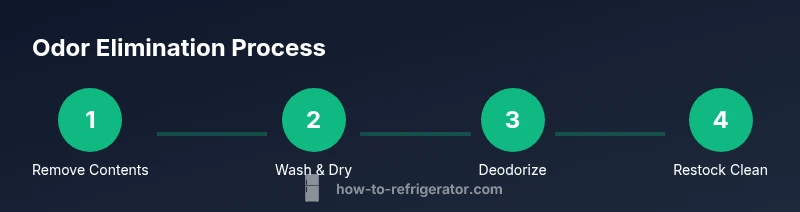
To get rid of refrigerator odor, start with a thorough interior clean and a deodorizing setup. Remove all food, wipe shelves with warm, soapy water, and rinse with a baking-soda solution. Reset odors by placing an open box of baking soda or activated-charcoal on a shelf, and use coffee grounds or lemon peels as temporary boosters. Ensure everything is dry before restocking.
Why refrigerator odor happens
According to How To Refrigerator, fridge odors usually stem from spoiled foods, spills, and damp areas that promote bacterial growth. If you're wondering how to get rid of refrigerator odor, the quickest path is a thorough interior cleaning followed by strategic deodorizing. Odor-causing residues can cling to shelves, rubber gaskets, and the defrost drain, so addressing each area is important for long-lasting freshness. Regular habits like sealing leftovers and wiping spills promptly reduce repetition of smells and help keep your fridge smelling clean day to day.
Quick-start deodorizing routine
Before you start the deep clean, it helps to have a simple routine you can repeat. First, remove everything from the fridge and trash any perishable items you don’t plan to eat soon. Then wash shelves and drawers in warm soapy water, rinse, and dry thoroughly. Finally, set up a deodorizing system: open baking soda near the back, or place an activated charcoal container on a shelf. This quick routine reduces odors while you tackle tougher spots and allows you to re-stock with confidence.
Cleaning agents and when to use them
Use mild dish soap for interior walls and glass shelves; mix a small amount with warm water. For deodorizing, baking soda is a time-tested option that neutralizes acids that create odors. White vinegar can help cut grease and microbial smells, but it should be rinsed away well to avoid leaving a strong scent. Lemon juice adds a fresh note but should be used cautiously near foods. Avoid using harsh products on plastic gaskets or coatings, as these can degrade over time.
Deodorizing with baking soda, charcoal, and coffee
Baking soda remains the most economical and effective deodorizer. Place an open box or a small bowl of baking soda on a shelf to continuously neutralize odors. For stronger smells, activated charcoal or a cup of coffee grounds in a breathable fabric bag can absorb unwanted aromas. Do not place these directly on food or where they can spill into containers. Replace baking soda every 30-60 days for consistent results.
Managing persistent smells: drain, shelves, gaskets
If odors persist after cleaning, focus on likely hotspots: the defrost drain and the rubber door seals. Clear the drain gently with a pipe cleaner or warm water and ensure it’s not blocked. Wipe seals with a mild soap solution and dry thoroughly; damaged gaskets can harbor smells and reduce cooling efficiency. Finally, wipe the interior again to remove any residual moisture that could foster odor growth.
Special case: lingering mildew or mold
Mildew or mold in a fridge is a serious warning sign. If you detect musty or moldy odors, discard porous items, wipe with a hydrogen peroxide solution (if safe for your surfaces), and ventilate the area. After treatment, ensure all surfaces are completely dry before returning items. If mold repeats, consider contacting a professional to inspect for underlying issues.
Freshening with natural fragrances
Natural scents, like lemon peels or a lightly scented vanilla bag, can provide temporary improvement. Place citrus peels in a shallow dish away from food, and avoid masking odors with heavy fragrances that might transfer to food. Rely on the deodorizing methods above for long-term results, and use fragrance sparingly.
Preventive maintenance to keep odors away
Consistency is key. Schedule a monthly wipe-down of shelves and gaskets, and regularly replace baking soda in the deodorizer container. Keep leftovers sealed and promptly clean up spills. A well-organized fridge with properly sealed containers will inherently reduce odor buildup and help you notice problems early.
Safety tips and pitfalls
Always unplug the fridge before deep cleaning to reduce the risk of shock if you’re reaching behind shelves or into hard-to-reach areas. Never mix bleach with ammonia or other cleaners, as this creates dangerous fumes. Use non-abrasive tools on plastic parts and rinse thoroughly after cleaning.
Defect checks that could cause odors
Odors can sometimes signal mechanical issues like a failing condenser, a blocked defrost drain, or door-seal problems. If odors persist after thorough cleaning, inspect seals for cracks, test your temperature settings for proper air flow, and listen for unusual noises that could indicate a component failing. A professional diagnosis may be necessary if smells continue despite cleaning.
Quick-reference odor elimination checklist
- Remove spoiled food and clean all surfaces with a baking-soda solution.
- Wash shelves and drawers; dry completely before reinserting.
- Place baking soda or activated charcoal in open containers inside.
- Check door seals and defrost drain for leaks or blockages.
- Avoid placing strong-scented substances near food; ventilate during cleaning.
What to do if odors persist after steps
If odors continue after you’ve completed the steps above, you may have an unseen issue such as a clogged drain, a failing gasket, or a hidden spill. Document your maintenance steps and schedule a service call if the odor persists beyond a few days. The How To Refrigerator team recommends seeking professional help to prevent food spoilage and ensure your fridge maintains proper cooling.
Tools & Materials
- baking soda(open box for ongoing deodorizing)
- mild dish soap(for shelves and interior walls)
- warm water(for washing and rinsing)
- soft microfiber cloths(for wiping surfaces)
- non-scratch sponge(gentle scrubbing on glass)
- spray bottle(to apply cleaning solution)
- activated charcoal(external deodorizer container)
- coffee grounds(in breathable bag)
- lemon or lemon juice(for fresh scent)
- trash bags(dispose spoiled items)
Steps
Estimated time: 60-90 minutes
- 1
Remove all contents and discard spoiled items
Unplug the fridge if safe and remove every item. Check expiration dates and throw away anything spoiled or opened for too long. This step prevents cross-contamination and makes cleaning easier.
Tip: Group items by category (dairy, produce) to speed up restock later. - 2
Remove shelves and drawers
Take out all shelves and drawers and set them aside for washing. This gives full access to the interior surfaces where odors cling.
Tip: Place removed pieces on a towel to avoid moisture on the floor. - 3
Wash shelves and drawers
Wash each piece with warm, soapy water. Rinse thoroughly and dry completely before reassembling.
Tip: Dry all surfaces to prevent new smells from forming. - 4
Wipe interior with baking-soda solution
Mix 1 tablespoon baking soda with 1 quart warm water and wipe all interior surfaces. This neutralizes acids and reduces odors.
Tip: Avoid leaving baking soda directly on plastic edges for long periods. - 5
Rinse and dry interior
Wipe away any soap residue with a clean damp cloth, then dry with a clean towel.
Tip: Ensure no moisture remains before restocking. - 6
Deodorize with baking soda
Place an open box or small dish of baking soda on a shelf. Replace every 30-60 days.
Tip: Keep the box away from raw foods to avoid spills. - 7
Add odor absorbers
Place activated charcoal or a bag of coffee grounds in a breathable pouch inside the fridge.
Tip: Avoid contact with foods. - 8
Clean door seals
Wipe gaskets with mild soap solution and dry thoroughly. Damaged seals may need replacement.
Tip: A tight seal improves cooling efficiency and reduces smells. - 9
Check and clean defrost drain
If accessible, flush the defrost drain with warm water to remove blockages. Odors can travel up the drain path.
Tip: Do not use sharp objects that could puncture lines. - 10
Dry and reassemble
Dry every surface again and reinsert shelves and drawers. Wipe any remaining moisture.
Tip: Keep the fridge unplugged until you’re sure all surfaces are dry. - 11
Restock with sealed items
Return items to the fridge in sealed containers to reduce future odors.
Tip: Label leftovers by date to minimize spoilage. - 12
Monitor odor and adjust
Close the door and wait 24–48 hours to gauge odor improvement. Adjust deodorizing tools if needed.
Tip: If odors persist, repeat steps or consult a pro.
FAQ
What causes refrigerator odor?
Odor typically comes from spoiled food, spills, and moisture that fosters bacteria growth. Regular cleaning keeps smells under control.
Odors usually come from spoiled food or spills and moisture, so clean regularly to keep smells down.
Can I use bleach to remove fridge odor?
Bleach can damage gaskets and leave harmful fumes. Use baking soda, vinegar, and mild soap for interiors.
Bleach isn’t recommended inside a fridge; stick to baking soda and mild cleaners.
How long does odor removal take?
Most odors improve within hours of cleaning; stronger smells may take 24–48 hours with ongoing deodorizing.
You’ll usually notice improvement within a few hours, with full results in a day or two.
Is it safe to use essential oils in a fridge?
Essential oils can transfer to food; avoid placing direct oils inside the fridge. Use them cautiously and only after removing food and ventilating.
Avoid putting essential oils directly in the fridge; they can affect food taste.
What about odors in the freezer?
Odors can migrate between compartments. Clean the freezer similarly and ensure vents are clear.
Treat the freezer the same way if you notice smells there.
When should I replace door seals?
If seals are cracked or loose, odors can seep in more easily. Replace seals or call a professional.
Cracked seals can cause smells to get in; fix or replace seals.
Top Takeaways
- Clean first: remove spoiled items and wash surfaces
- Use baking soda and natural absorbers for lasting deodorizing
- Check seals and drains if odors persist
- Regular maintenance prevents odor buildup