How to Get Refrigerator Smell Out: A Step-by-Step Guide
A comprehensive, safe approach to removing fridge odors, deodorizing effectively, and preventing future smells with simple, household methods.


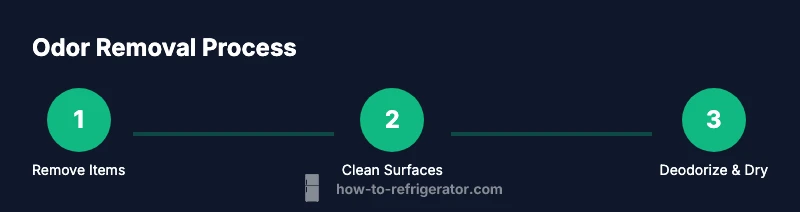
If you want to know how to get refrigerator smell out, start by locating the odor source, then clean and deodorize with safe agents. Remove all food, wash shelves and walls with mild soap, and use baking soda or vinegar to neutralize odors. Finish with preventive steps to keep odors away.
Understanding Refrigerator Odors
Odors in refrigerators typically arise from spoiled or strongly scented foods, spills that dried into shelves, moisture buildup, and microbial growth. Even when a carton looks fine, traces of onion, garlic, fish, or dairy can cling to plastic shelves and door gaskets, radiating a faint but persistent scent. The goal isn’t to mask smells with air fresheners; it’s to remove the sources of odor and keep the interior clean and dry. According to How To Refrigerator, addressing fridge odors starts with identifying sources and following a safe, step-by-step deodorizing process. Start by assessing your interior: look for spoiled items behind drawers, forgotten leftovers at the back of the crisper, or leaks at the drip pan. Then plan a cleaning session that moves food to a cooler, uses safe cleaners, and dries every surface thoroughly before restocking. Remember, the fridge should stay cold to protect food safety, so avoid long off-times except when you’re explicitly cleaning the interior. If frost builds up in the freezer, that can trap odors too and warrants a separate defrost step.
Quick assessment: smell sources and safety
Not every smell means you have to replace your fridge. Begin with a quick sniff test and a visual check:
- Identify whether the odor is on shelves, in drawers, around gaskets, or near the drain pan.
- Look for spoiled or moldy foods and for any spills that may have dried on surfaces.
- Inspect door seals for cracks or gaps that let warm air in and damp air out.
- Check the freezer for frost buildup and lingering odors that can migrate into the refrigerator. From the perspective of odor control, the root causes are often residues from foods rather than a mysterious fridge spirit. How To Refrigerator team notes that a clean, dry environment is the foundation of odor prevention. Use this assessment to decide whether you need to perform a light wipe-down or a deeper interior cleaning, and ensure you have time to run the deodorizing methods after you remove items. If you find spoiled items, discard them promptly and sanitize the container they occupied to prevent reintroduction of smells.
Cleaning prep and safety guidelines
Before you touch the shelves, prepare the space and protect food safety. Steps:
- Remove all items from the fridge and transfer perishables to a cooler or insulated bag placed in the coldest part of the kitchen. Do not leave perishable foods out for more than 2 hours. (If your power is out or you’re cleaning during a heatwave, use ice packs.)
- Unplug the fridge only if you’re cleaning the interior thoroughly and you plan to dry all surfaces completely before restocking. If you keep the unit running, you can clean a little at a time while it cycles.
- Remove shelves and drawers. Wash them with warm water and mild dish soap, rinse well, and air-dry completely. Wipe the interior walls with a soap solution and rinse with clean water. Dry with a clean towel.
- Prepare deodorizing agents: a baking soda solution or a vinegar spray (1:1 water-vinegar) in a spray bottle. Keep strong cleaners away from food-contact surfaces.
- Reassemble shelves only after interiors are completely dry. This prevents new odors from forming and protects food storage.
Deodorizing methods that really work
There are several safe, store-bought or kitchen-based options to neutralize odors without introducing harsh chemicals or strong fragrances near food:
- Baking soda: Open a box or place a shallow mound in an open container to absorb smells. Replace every 3 months for best results.
- White vinegar: Lightly spritz or wipe with a vinegar-water solution. Vinegar acts as a neutralizer and evaporates quickly, leaving little odor behind when dry.
- Activated charcoal: Place in breathable containers or open bowls to adsorb odors over time. Replace every few weeks as needed.
- Coffee grounds or citrus peels: Use in small bowls as temporary absorbers for a fresh scent, not as a primary deodorizer. Change every week.
- Avoid commercial air fresheners inside the fridge: They can leave residues or affect food flavors. If you must, use very light, food-safe options and ventilate the unit while testing.
To maximize safety, always keep detergents and deodorizers away from food-contact surfaces. How To Refrigerator analysis emphasizes combining cleaning with deodorizing for lasting results. After treatment, wipe surfaces dry and reinsert shelves with care.
Special cases: persistent smells and freezer odors
If odors persist after cleaning, consider a deeper approach:
- Defrost the freezer if there is frost buildup; frost can harbor smells and trap moisture. Defrosting allows air to circulate and speeds odor removal.
- Clean the freezer compartment with the same mild soap solution, then deodorize using baking soda or a light vinegar spray, followed by thorough drying.
- Inspect the defrost drain and condensate pan for clogs or residue. Clear these if necessary to prevent stale moisture from collecting.
- Check door seals for stiffness or gaps; seal leaks can continually bring warm air and moisture that exacerbate odors. Clean seals with a mild soap solution and dry completely before closing. When odors are stubborn, repeating the above steps and ensuring complete dryness usually yields the best results. The goal is to restore a neutral environment so foods retain their flavors and safety is preserved.
Preventive maintenance and long-term odor control
Prevention beats cure when it comes to fridge odors. Establish a simple routine:
- Keep an open box of baking soda in the fridge and replace every 3 months.
- Wipe spills promptly and store foods in sealed containers with airtight lids.
- Clean door seals and the gasket area monthly to remove food residues and moisture.
- Periodically run a quick interior wipe-down using a mild soap solution; dry surfaces thoroughly before restocking.
- Avoid storing highly odorous foods directly next to dairy or fresh produce; use sealed containers for leftovers and always check expiry dates. Following these practices reduces the chance of odors returning and helps you maintain a fresh, safe food environment over time.
Food safety considerations during deodorizing
While deodorizing, it’s essential to consider food safety. Do not mix cleaning agents inside the fridge; keep all cleaners away from exposed foods. If you’re using vinegar, ensure surfaces are fully rinsed and dried before restocking. When in doubt, discard questionable leftovers and wipe the area with clean water after deodorizing. If you need to move food for a thorough interior clean, use a cooler to maintain safe temperatures and minimize time outside the cold environment. A well-maintained fridge not only smells better but also supports safer food storage and reduces the risk of spoilage.
Authoritative sources and further reading
For additional guidance on food safety and odor management, you can consult authoritative resources:
- Keep Food Safe: Chill and Temperature Control — https://www.fsis.usda.gov/food-safety/safe-food-handling-and-preparation/keep-food-safe-chill
- Food Safety and Inspection Service – Keeping Food Safe (FDA/CDC aligned guidance) — https://www.cdc.gov/foodsafety/index.html
- Indoor Air Quality and Odor Control — https://www.epa.gov/indoor-air-quality-iaq/odor-control-indoor-air-quality
Tools & Materials
- Mild dish soap(Warm water and mild soap for general cleaning)
- White vinegar (5%)(Deodorizing spray or wipe-down solution)
- Baking soda(Open box or paste for deodorizing)
- Activated charcoal(Open containers for absorption)
- Coffee grounds(Temporary odor absorber in bowls)
- Lemon/orange peels(Optional fresh scent)
- Spray bottle(For vinegar/water mixture)
- Soft cloths or microfiber towels(For wiping and drying)
- Gloves(Protect hands during cleaning)
- Cooler or insulated bags(Move perishables safely during cleaning)
Steps
Estimated time: 60-90 minutes
- 1
Remove all items and inspect
Take everything out and sort items by safe, questionable, and expired. Set aside perishables in a cooler to keep cold. This clears the space for a thorough clean and helps you spot odor sources.
Tip: Have a trash bag ready and discard spoiled items promptly. - 2
Remove shelves and drawers
Take out shelves and drawers and wash them with warm soapy water. Rinse, then dry completely before reassembly. This prevents residues from harboring odors.
Tip: Place removed pieces on a dry towel to air-dry. - 3
Wipe interior surfaces
Wipe the interior walls with your soap solution, then rinse with clean water. Dry with a microfiber cloth to prevent moisture that can hold odors.
Tip: Use circular motions to lift residues from corners. - 4
Deodorize with baking soda
Place an open box of baking soda in the back of the fridge or sprinkle a light layer on a shallow tray. Leave it for 24–48 hours to absorb odors, then replace or reset.
Tip: Replace baking soda every 3 months for best results. - 5
Apply vinegar spray
Mix equal parts water and white vinegar in a spray bottle and wipe interior surfaces. Let air-dry completely. Vinegar neutralizes many odors without leaving strong residues.
Tip: Test on a small area first if your fridge has delicate finishes. - 6
Absorb remaining odors
Optional: place activated charcoal or coffee grounds in open containers for additional odor absorption. Change every 1–2 weeks as needed.
Tip: Keep away from direct contact with food. - 7
Dry and reassemble
Ensure all surfaces are completely dry before reassembling shelves. Return perishable items to the cold environment and allow the fridge to reach its set temperature before storing new foods.
Tip: Do not rush restocking; allow 1–2 hours for stabilization. - 8
Prevent recurrence
Establish a routine: wipe spills immediately, store foods in sealed containers, and keep a deodorizing option like baking soda in the fridge.
Tip: Schedule a monthly quick wipe-down to maintain freshness.
FAQ
What causes refrigerator smells?
Most odors come from spoiled foods, spills, and moisture that allow bacteria to grow. Regular cleaning breaks this cycle and prevents lingering scents.
Most fridge smells come from spoiled food or spills. Regular cleaning breaks the cycle and keeps odors away.
Can I use bleach to deodorize a fridge?
Bleach should generally be avoided inside the fridge because it can leave harsh residues and flavors. Opt for baking soda, vinegar, or approved kitchen cleaners instead.
Bleach isn’t recommended for fridge deodorizing. Use baking soda or vinegar instead.
How often should I deodorize my fridge?
Deodorizing after spills and when you notice odors is usually sufficient. A light monthly wipe-down plus an occasional baking soda refresh helps maintain freshness.
Do a quick wipe-down after spills and a baking soda refresh every few months to stay fresh.
Is it safe to use essential oils in the fridge?
Essential oils can leave strong flavors behind and aren’t recommended for routine fridge deodorizing. Stick to baking soda, vinegar, and neutral absorbers.
Avoid essential oils inside the fridge to prevent flavor transfer.
What if the odor comes from the freezer?
Freezer odors should be treated separately: defrost if needed, clean with mild soap, and use odor absorbers. Odors can migrate, so treat both compartments.
Treat the freezer separately, defrost if needed, and deodorize it too.
Should I unplug the fridge during cleaning?
Unplugging is optional. If you fully clean the interior, ensure it dries completely before restocking. If you keep it running, clean in sections to avoid food safety risks.
You can unplug for a full interior clean, but make sure it dries before using it again.
How do I prevent odors from returning?
Store foods in sealed containers, wipe spills promptly, replace baking soda regularly, and keep door seals clean and dry.
Seal foods, wipe spills fast, and refresh baking soda to prevent odors.
Watch Video
Top Takeaways
- Remove all items and inspect first.
- Use baking soda or vinegar to deodorize safely.
- Dry all surfaces before restocking to prevent smells.
- Prevent odors with sealed containers and regular cleaning.