How Often Does a Refrigerator Defrost? A Practical Guide
Find out how often frost-free refrigerators defrost, how this differs from manual models, signs of defrost issues, and practical maintenance tips to keep your fridge efficient. Expert guidance from How To Refrigerator


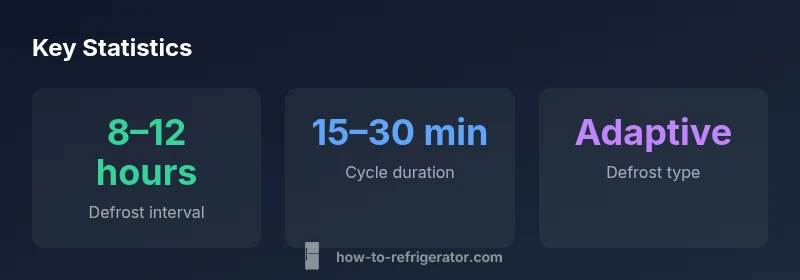
Most frost-free refrigerators defrost automatically about every 8 to 12 hours, and the defrost cycle typically lasts 15 to 30 minutes. This schedule prevents frost buildup on the evaporator coil and maintains cooling efficiency. Manual-defrost models, by contrast, require you to defrost periodically, while newer high-efficiency units may adjust timing based on temperature and usage.
How Defrost Systems Really Work
Frost-free refrigeration systems rely on periodic defrost cycles to melt frost that forms on the evaporator coils. During normal operation, the evaporator removes heat from the fridge, which causes some moisture to freeze on the coil surfaces. The defrost cycle briefly turns on a heater to melt that frost and drain the water away through a defrost drain into a pan under the unit. The cycle is controlled by a combination of timers, temperature sensors, and sometimes adaptive logic that optimizes timing based on usage and ambient conditions. The result is a relatively hands-off experience for homeowners, with frost kept to a minimum and evaporator efficiency preserved. According to How To Refrigerator, understanding this cycle helps you diagnose issues without guessing and reduces unnecessary repairs.
Key terms to know: evaporator coil, defrost heater, defrost timer, defrost drain, and condensate pan. When these components function in harmony, you experience steady temperatures and reliable ice/water functionality. If frost accumulation suddenly spikes, it can signal a defrost component failing or a door seal issue letting humid air in. Regular checks of the door gaskets and a clean drain can prevent small problems from becoming big ones.
Frost-Free vs Manual Defrost: Key Differences
The most common refrigerators today are frost-free and rely on automatic defrost cycles. In frost-free models, you should not have to manually remove frost; the system takes care of it. Manual-defrost models, in contrast, require you to initiate defrosting when frost becomes noticeable. This means more hands-on maintenance and potential downtime for the appliance. Frost-free systems tend to be more convenient but can be subject to occasional misalignment of the heater or timer, especially in older units or models exposed to high humidity. In both cases, the goal is the same: prevent frost buildup from interfering with airflow and temperature regulation. How To Refrigerator emphasizes checking that the door seals are tight and that the drain line remains clear to keep defrost cycles predictable.
Practical tip: if you see frost forming on shelves or in odd spots, this can indicate air leaks or a blocked drain rather than a malfunctioning defrost cycle itself.
How Often Do Frost-Free Refrigerators Defrost?
The defining question for many homeowners is how often frost-free refrigerators defrost. In typical frost-free models, the defrost cycle occurs roughly every 8–12 hours. The cycle duration usually runs 15–30 minutes, depending on model design and ambient conditions. This frequency is designed to keep frost at bay without wasting energy. Some newer or high-efficiency units use adaptive defrost, which can shorten or lengthen cycles based on usage patterns, door openings, and temperature fluctuations in the kitchen. The important takeaway is that rare, long frost-free cycles are not normal; persistent frost or ice build-up may indicate an issue with the defrost heater or timer and should be checked by a professional. In contrast, older or budget manual-defrost fridges will not automatically defrost, and frost will accumulate until you intervene.
Takeaway: Expect regular, unobtrusive defrost cycles in frost-free models, with manual defrost models requiring periodic manual intervention. Some models adapt the schedule to usage, while others follow a fixed pattern.
What Triggers a Defrost Cycle?
Defrost cycles are triggered by a combination of temperature readings, time intervals, and sometimes humidity levels inside the freezer compartment. The defrost heater typically engages after a set period of cooling, melting ice that has formed on the evaporator coil. In adaptive defrost models, sensors monitor coil temperature and humidity to adjust when defrost occurs, potentially reducing unnecessary cycles. Door openings raise humidity and can lead to more frost accumulation, indirectly influencing how often the thermostat calls for a defrost. Other factors like warm room temperatures, frequent door openings, and heavy loads can push the cycle slightly later or earlier. Staying aware of these triggers helps you diagnose why a unit seems to defrost more or less frequently than expected.
What Can Change the Defrost Schedule?
Several factors can influence how often a refrigerator defrosts. Ambient temperature and kitchen humidity affect frost formation; a humid, warm kitchen is more prone to frost buildup. Door sealing integrity matters; a loose gasket allows moist air to enter, challenging the defrost cycle. Energy-saving settings or adaptive defrost features can alter cycle timing, so newer units may defrost less frequently if the coil remains sufficiently frost-free. Age and usage patterns also play a role; a heavily loaded fridge or frequent opening can trigger more cycles. Regular maintenance—cleaning the defrost drain, inspecting door seals, and ensuring proper air flow—helps stabilize the cycle.
Common Defrost Problems and How to Spot Them
Common issues include frost on the shelves despite a visible defrost cycle, water pooling inside the fridge, or ice forming around the evaporator access panel. Frost buildup might indicate a faulty defrost heater, a failed defrost timer, or a clogged defrost drain. Water pooling on the floor near the fridge can signal a blocked drain or improper drainage. If the freezer is running too warm, it could be the result of a failing defrost sensor or thermostat. In many cases, a simple inspection of the door seal and a clear drain will prevent most frost-related symptoms. If issues persist after basic checks, consult a qualified technician.
Maintenance Tips to Keep Defrosts Efficient
Proactive maintenance helps keep defrost cycles predictable. Regularly inspect door gaskets for cracks or warping and replace them if needed. Keep the defrost drain clear by flushing it with warm water or a mild cleaner as recommended by the manufacturer. Clean evaporator coils if they are accessible, as dust can insulate coils and disrupt heat transfer. Keep the area around the refrigerator free from dust and ensure proper air circulation in front of the condenser coils. Avoid overloading shelves, which can obstruct air flow and cause frost to form in colder zones. Finally, schedule a service check if you notice persistent frost, unusual noises, or a sudden rise in energy use.
Quick DIY Checks Before Calling a Technician
Before you call a pro, perform a few quick checks: 1) Inspect door seals; close the door on a dollar bill to see if it stays put. 2) Check the defrost drain for visible blockages and clear if necessary. 3) Listen for a cycling sound and verify the evaporator fan is running normally. 4) Confirm that the thermostat dial is set to a reasonable temperature (not too cold or too warm). 5) Look for frost buildup around the back of the interior walls; if you see heavy frost, a professional assessment may be warranted.
When to Replace vs Repair the Defrost System
Defrost components are designed to last many years, but failures can occur. If the defrost heater or timer fails, you may experience persistent frost or warm temperatures. When multiple components fail or repair costs approach a sizable portion of a new unit, replacement may be more cost-effective. A qualified technician can assess the heater, defrost thermostat, timer, and control board to determine whether a repair or replacement provides the best long-term value. Regular maintenance and timely component replacements extend the life of the defrost system and improve overall efficiency.
Overview of common defrost configurations
| Model Type | Defrost Type | Typical Interval | Cycle Duration |
|---|---|---|---|
| Frost-free refrigerator | Automatic defrost | 8–12 hours | 15–30 minutes |
| Manual-defrost refrigerator | Manual defrost | On demand | Varies by model |
| Smart/adaptive defrost refrigerator | Adaptive defrost | 8–12 hours baseline | 15–25 minutes |
FAQ
How often should a frost-free refrigerator defrost automatically?
In frost-free models, defrost cycles typically occur every 8–12 hours and last 15–30 minutes. If you notice deviations beyond this range, there may be an issue with the defrost heater, timer, or sensor.
Most frost-free fridges cycle every 8 to 12 hours, lasting 15 to 30 minutes.
What are common signs that the defrost system is failing?
Look for persistent frost buildup, water leaks, or unusually warm zones in the fridge. These can indicate a faulty defrost heater, blocked drain, or timer malfunction.
Frost buildup or water leaks often signal a defrost problem.
Can I adjust the defrost timer or schedule?
Most frost-free units use built-in defrost timers or adaptive defrost settings that aren’t adjustable by users. Some higher-end models offer adjustable adaptive settings; refer to your manual.
Some models can adjust adaptive settings, but many cannot be manually changed.
Does frequent door opening affect defrost cycles?
Yes. Frequent door openings raise humidity and frost formation, potentially altering defrost timing and frequency. Try to minimize door openings during peak usage times.
More door openings can lead to more frost and slightly different cycle timing.
When should I call a repair technician for defrost issues?
If frost persists, there are water leaks, or the interior temperatures stay out of range after basic checks, schedule service. A tech can test the defrost heater, thermostat, and timer.
If the issue doesn’t fix with basic checks, call a pro.
“Defrost systems are small components with a disproportionate impact on reliability and efficiency. Regular checks and maintenance go a long way toward avoiding costly failures.”
Top Takeaways
- Know your model type: frost-free vs manual defrost.
- Expect automatic defrost cycles about 8–12 hours apart (15–30 minutes).
- Keep door seals and drains clean to maintain cycle reliability.
- Adaptive defrost models may adjust timing based on usage.
- Use basic DIY checks before seeking professional help.