How to Use the Defrost Button in Your Refrigerator
Learn how to use the defrost button on your refrigerator safely, with model-agnostic steps, safety tips, and frost-control reminders from How To Refrigerator.


This quick guide explains how to use the defrost button on a refrigerator. You'll learn when to press it, how long the defrost cycle lasts, and how to monitor frost reduction without compromising food safety. The steps apply to most modern models, but always check your owner's manual for model-specific instructions. Follow along for a safe, effective defrost process.
Why the Defrost Button Matters
Frost buildup inside a refrigerator-freezer combination reduces cooling efficiency, increases energy use, and can lead to uneven temperatures. The defrost function is designed to melt the frost on evaporator coils so air can circulate freely again. According to How To Refrigerator, understanding how your system handles defrost cycles helps you maintain food safety, save energy, and extend the life of your appliance. By learning how to use the defrost button correctly, you avoid damaging seals, overworking the compressor, or creating excess moisture that can lead to leaks and mold growth. This section explains the role of defrost in modern appliances and why a well-timed cycle matters for overall performance.
- Frost builds up when warm room temperatures meet cold compartments, especially after door openings.
- The defrost button triggers a thaw cycle that temporarily interrupts cooling to melt frost.
- Proper use helps maintain optimal temperatures in both fridge and freezer sections.
Defrost Button Variants: Where to Find It
Defrost controls vary by model. Some refrigerators have a dedicated defrost button on the exterior or within the control panel, while others use a sensor- or timer-based auto-defrost system that may not require manual input. If you do have a manual defrost button, it is usually labeled clearly as either “Defrost,” “Defrost Drain,” or a frost-mrost icon. For models with automatic defrost, the feature runs on a timer or sensor and you might not need to press anything. Always consult the owner’s manual for your specific model to confirm button location, function, and recommended usage. Keeping the manual handy helps you identify the correct sequence and avoid pressing the wrong button by mistake.
- Look for labels on the control panel or inside the drawer.
- Some units use a frost-free design; others rely on periodic manual defrosts.
- If in doubt, call customer support or consult the manual before attempting to use a button you don’t recognize.
Safety First: Prep and Precautions
Before initiating a defrost action, remove or relocate perishable items to a safe area, such as a separate cooler or the opposite compartment, to prevent spoilage. Place towels or a shallow tray under the freezer compartment to catch melting ice and water. If your appliance requires you to unplug during manual defrost, do so only after unplugging and ensuring all power is off. Never use sharp tools to scrape frost; metal tools can damage coils and cause leaks. Wear gloves if the interior is very cold to avoid skin irritation. Keeping doors closed during the defrost cycle helps the frost melt more evenly and reduces humidity inside the compartments.
- Always clear the area first and protect the floor with towels.
- Do not use abrasive tools or metal picks to remove frost.
- If your model has a manual defrost, refer to the manual for exact timing and procedures.
How to Use the Defrost Button in Your Refrigerator
The heading itself reflects the core action: how to use the defrost button in refrigerator models that require manual initiation. To begin, locate the defrost button on the control panel—often labeled clearly with terms like “Defrost” or a frost icon. Press or hold the button as instructed by your manual. The defrost cycle will melt the frost on the evaporator coils so air can circulate and temperatures stabilize. Monitor the progress by observing melting ice and reduced frost buildup. Do not force ice off with objects, which can damage the coils or wiring. Once frost has softened and melted, return the appliance to normal operation by ending the cycle as directed and confirming that the freezer and fridge temperatures return toward the intended set points.
- Model-specific guidance matters; some units require a longer hold, others a single press.
- Avoid opening doors during the cycle to maximize efficiency and minimize moisture.
- After defrost, wipe away remaining water and repackage items as needed to maintain cleanliness.
Monitoring Results and Returning to Normal Operation
After defrost, check that ice buildup has melted and evaporator coils are clear. Ensure the temperature readings in both compartments stabilize within the recommended range for safe food storage. If frost returns quickly, inspect door seals for gaps, verify that door gaskets seal properly, and verify that the door is fully closed. A loose seal invites warm air and humidity, promoting faster frost buildup. If the defrost cycle was manual, resume normal function and allow a few hours for temperatures to normalize. Use a thermometer to verify that the fridge stays between 35-38°F (1.6-3.3°C) and the freezer between 0°F (-18°C).
- Frost reformation can indicate a seal or airflow problem.
- Consistent temperature control protects food quality and safety.
Troubleshooting If Defrost Isn’t Working
If the defrost button doesn’t seem to trigger a thaw, check for underlying issues before performing further actions. Ensure the control panel isn’t locked or disabled, and verify that the power supply is stable. Some devices require a specific sequence to activate defrost—consult the owner’s manual for the exact steps. If you notice persistent frost, water leakage, or inconsistent temperatures, this may indicate a failing defrost heater, a faulty timer, or a blocked defrost drain. In these cases, contacting a qualified technician is advised. Document symptoms and model information to speed up service and prevent additional damage.
- Ensure the unit isn’t in a power-saving or child-lock mode.
- Look for error codes or lights that indicate a fault.
- When in doubt, seek professional help rather than attempting risky DIY repairs.
Cleaning, Maintenance, and Best Practices After Defrost
Post-defrost maintenance includes wiping the interior with a mild cleaning solution and drying thoroughly to prevent moisture buildup. Clean the door seals with warm soapy water to keep them supple and effective. Inspect the drain line if present in your model; a clogged drain can cause water pooling and mold growth. For energy efficiency and frost prevention, keep the fridge organized so air can circulate, avoid frequent door openings, and verify correct temperature settings. Regularly inspecting seals and electronics for wear is a proactive approach to reduce frost-related issues over time.
Real-World Scenarios: Model Variations and Tips
Models vary widely in their defrost configurations. Some fridges use a straightforward push-button defrost, while others require a combination of settings or a sequence of presses. In frost-free units, you may not observe a dramatic frost melt because the system is designed to prevent frost buildup altogether. If your appliance is older or has a non-standard control layout, your best bet is to consult the manual or seek guidance from the manufacturer’s support site. Regardless of model, the key principles remain the same: protect perishable items, avoid damaging components, and ensure the system can return to normal cooling efficiently.
Tools & Materials
- Owner's manual for your refrigerator(Locate defrost button type and model-specific instructions)
- Clean towels or a shallow tray(Catch melting ice and water during defrost)
- Fresh water and mild cleaning solution(Used to clean the interior after defrost)
- Gloves(Optional for handling cold surfaces)
- Thermometer (fridge and freezer)(Optional tool to verify set temperatures)
Steps
Estimated time: Estimated total time: 30-60 minutes
- 1
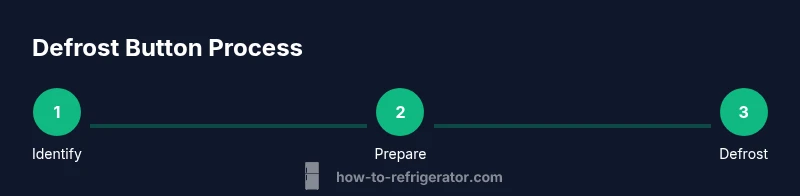
Identify the defrost control
Locate the defrost button or control on the panel. Check for labels such as ‘Defrost,’ ‘Defrost Drain,’ or a frost icon. If your model uses auto-defrost, this step may be minimal or unnecessary.
Tip: Take a quick photo of the control panel for future reference. - 2
Prepare the area and food
Remove or relocate perishable items to a safe area. Place towels under the freezer door and ensure the floor is protected from melting ice. Do not leave raw foods exposed for long.
Tip: Clear a space near the unit to make cleanup easier after defrost. - 3
Activate the defrost cycle
Press or hold the defrost button as described in your manual. If the cycle requires a specific sequence, follow those steps carefully to initiate thawing.
Tip: Avoid pressing other buttons during the defrost cycle to prevent interruptions. - 4
Monitor frost melting
Watch progressively as frost softens and ice melts away from coils. Do not attempt to chip away frost with tools, as this can damage components or wiring.
Tip: If water begins to pool, have towels ready and be prepared to pause if instructed by your manual. - 5
End cycle and clean up
When frost has melted, end the cycle per manual instructions and wipe any remaining moisture. Return items to the fridge/freezer and ensure doors seal properly.
Tip: Dry surfaces completely to prevent mold growth. - 6
Verify temperatures
Allow the compartments to stabilize and verify temperatures with a thermometer if available. Typical targets are around 35-38°F (1.6-3.3°C) for the fridge and 0°F (-18°C) for the freezer.
Tip: Avoid heavy loading right after defrost until temps normalize.
FAQ
What is the defrost button for on a refrigerator?
The defrost button starts a thaw cycle to melt frost built up on evaporator coils, restoring airflow. It is typically used when frost accumulation is noticeable or the auto-defrost cycle isn’t operating as expected. Always refer to your model’s manual for exact behavior.
The defrost button starts a thaw cycle to melt frost on the coils, improving airflow and cooling efficiency.
Can I press the defrost button repeatedly?
Repeatedly triggering defrost is usually unnecessary and may disrupt normal cooling. Use it only when frost buildup justifies defrost, and rely on automatic defrost cycles if your model supports them.
Only use defrost when frost buildup warrants it; repeated use isn’t typically needed.
What should I do if frost isn’t melting after defrost?
If melting is not progressing, check door seals for leaks, inspect the defrost drain, and ensure the control settings match recommended temperatures. If frost persists, there may be a faulty defrost heater or timer and you should contact a technician.
If frost isn’t melting, check seals and drains, and consider calling a technician if issues persist.
Is it safe to defrost with food in the fridge?
Move perishable items away from the defrost zone to keep them at safe temperatures. Most models handle defrost cycles without removing all items, but hot or warm foods should be moved to prevent spoilage.
Yes, but move perishable items to a safe place while defrosting.
What if my unit has auto-defrost but frost returns often?
Auto-defrost can fail if the timer or heater malfunctions. If frost returns frequently, consult the manual for troubleshooting steps or contact a technician to inspect the defrost system.
Auto-defrost can fail; check the manual or call a tech if frost returns often.
Do I need to unplug the refrigerator to defrost manually?
Some models require unplugging for manual defrost, while others permit defrost with the unit running. Always follow the manual to avoid electrical hazards or warranty issues.
Follow the manual; some models need unplugging, others don’t.
Watch Video
Top Takeaways
- Understand why defrost matters for efficiency.
- Know how to locate and use your model's defrost control.
- Follow safe prep, perform defrost patiently, and verify temperatures afterward.
- Address door seals and airflow to prevent frost return.