Galanz Mini Fridge Repair Guide: Fix Common Issues Fast
Learn practical, step-by-step fixes for your Galanz mini fridge. Troubleshoot not cooling, frost, or noise with safe, homeowner-friendly methods from How To Refrigerator.


This guide helps homeowners diagnose and fix common issues with a galanz mini fridge, from uneven cooling to frost buildup. You'll learn safe troubleshooting steps, essential tools, and when to call a professional. Start by unplugging the unit, inspecting seals, and checking for blockages, then follow step-by-step fixes to restore cooling.
Galanz Mini Fridge Design and Key Components
A Galanz mini fridge typically combines a compact compressor-driven cooling system with adjustable shelves, a door gasket, an interior light, and a condenser coil hidden at the back or beneath the unit. Understanding where components live helps identify what might fail. The galanz mini fridge relies on a thermostat to regulate temperature, a condenser coil to expel heat, an evaporator fan to circulate cold air, and a defrost system to manage frost buildup. This knowledge is useful when you diagnose issues like not cooling or excessive frost. According to How To Refrigerator, recognizing which part handles each function speeds up safe troubleshooting and avoids unnecessary disassembly. Regular checks of door seals and airflow paths can prevent most early problems and extend the life of your mini fridge.
Diagnosing Common Symptoms and Likely Causes
Common symptoms in a galanz mini fridge include warm or inconsistent cooling, frost on the evaporator, unusual noises, leaks, and excessive energy use. A not-cooling symptom often points to a dirty condenser coil, a blocked defrost drain, or a faulty thermostat. Frost or ice buildup usually signals defrost issues or a compromised door seal. Noisy operation can come from a failing evaporator fan or a loose mounting screw. By correlating symptoms with likely causes, you can target the right component without unnecessary testing. The How To Refrigerator team highlights that many problems share root causes—poor airflow, electrical faults, and blocked drainage—so a structured approach saves time and avoids unnecessary replacements.
Quick Fixes You Can Try Safely
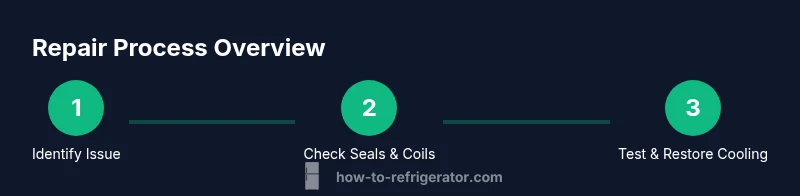
Before diving deeper, unplug the unit and move it away from walls or other appliances. Inspect the door gasket for cracks or deformations and clean the gasket surface to ensure a tight seal. If frost is present, temporarily reduce cooling demand, perform a manual defrost if recommended by the model manual, and check for airflow obstructions near the vents. Clean the condenser coils if accessible (dust and lint reduce efficiency). Finally, reset the thermostat to a mid-range setting and test the compressor startup. If cooling improves, monitor for a day or two to confirm stability. The steps below expand on these quick fixes with safe, step-by-step actions for common issues with the galanz mini fridge.
Deep Dive: Defrost Drain, Frost, and Vent Blockages
Frost buildup can block the evaporator and reduce airflow. Defrost drain blockages funnel water into the drain pan and can cause a slow leak or standing water. To address this, unplug the unit, remove the back panel if accessible, and flush the defrost drain with warm water or a gentle pipe cleaner. Be cautious around sharp edges and electrical components. Clear any frost around the evaporator fins with a non-metallic tool, and ensure vents aren’t blocked by stored items. After cleaning, plug the unit back in and run a quick cooling cycle to verify moisture is evacuating as intended. Regular defrost checks help prevent sudden cooling failures.
Cooling System: Thermostat, Fans, and Condenser
Your galanz mini fridge relies on a functioning thermostat to maintain temperature. If temperature feels off, verify the thermostat dial is set correctly and test continuity with a multimeter if you’re comfortable. The evaporator fan should run when the compressor starts; listen for a breeze or a faint whir. If you hear buzzing or the fan stalls, reseat the fan or replace it if necessary. The condenser coil should feel warm but not overly hot; a dusty coil reduces cooling efficiency—clean it with a small brush or compressed air. A clean, anatomically understood cooling system reduces energy use and prolongs life.
Maintenance and Care to Prevent Breakdowns
Create a simple seasonal maintenance routine for your galanz mini fridge. Wipe seals with mild soap, inspect door alignment, and vacuum dust from the back panel. Keep the interior free of clutter so air can circulate, and avoid placing hot foods directly inside. Regular cleaning reduces odors and limits mold growth. A small but consistent maintenance habit can prevent many common issues and extend the appliance’s service life. How To Refrigerator’s guidance emphasizes proactive care to keep compact fridges running reliably.
Safety, Warranty, and When to Seek Repair Service
Electrical components require caution: unplug before any inspection, do not poke at wiring, and avoid liquids near power connections. If you notice refrigerant smells, buzzing from the compressor, or if the unit leaks refrigerant foam, stop troubleshooting and contact a professional. Some Galanz models carry limited warranties; check your manual or retailer for coverage terms. If the unit is out of warranty and repair costs approach a significant fraction of the appliance price, weigh replacement. The How To Refrigerator team recommends getting a professional opinion when the issue involves sealed cooling systems or compressor replacement, as improper handling can be hazardous.
Energy Efficiency, Costs, and Practical Considerations for a Galanz Mini Fridge
Efficient operation saves electricity and keeps running costs down. Maintain proper door seals, keep vents clear, and store foods in covered containers to minimize moisture and odor buildup. For energy-conscious homeowners, selecting a compact model with an appropriate capacity reduces energy use per cubic foot. The galanz mini fridge family has varied power ratings; compare energy consumption on your model label and consider upgrading to newer models if your unit is older. How To Refrigerator analysis shows that routine maintenance and smart usage patterns significantly impact overall energy efficiency.
When to Replace vs Repair: Cost Guidance for a Galanz Mini Fridge
Repair decisions hinge on age, cost of parts, and expected remaining life. If a single major component fails (compressor, sealed system) and repair costs exceed 50-60% of a new unit, replacement is often more economical. If the model is newer and still under warranty for certain components, repair may be the better option. Consider future energy costs and reliability when deciding. The How To Refrigerator team emphasizes realistic budgeting: weigh the total estimated repair cost against the price of a comparable new model and the value of improved efficiency.
Authority Sources
- Energy.gov: Refrigerators and Freezers — energy efficiency guidance and consumer tips
- NIST.gov: Standards for appliance components and electrical safety
- CPSC.gov: Consumer product safety information for home appliances
Tools & Materials
- Screwdriver set (Phillips and flat-head)(Include small Phillips #1 and #2; ensure a magnetic tip helps with tiny screws on panels)
- Multimeter(Used to test thermostat and electrical continuity)
- Soft cleaning cloths(Gently wipe gaskets and interior; avoid leaving lint)
- Small brush or compressed air(Clean coils and vents; avoid harsh brushes)
- Warm water and mild soap(Defrost drain and interior surfaces; avoid harsh chemicals)
- Non-metal pick or plastic driving tool(To clear frost without damaging fins)
- Gloves(Protection when handling sharp edges)
- Plastic tray or towels(Catch defrost water during draining and cleaning)
Steps
Estimated time: 60-90 minutes
- 1
Unplug and relocate
Disconnect power and move the galanz mini fridge away from walls. This ensures safety during inspection and prevents accidental electrical shock while you check seals, drains, and coils.
Tip: Always unplug first; never probe wiring with the unit plugged in. - 2
Inspect the door seals
Examine gaskets for cracks or gaps; run a thin film of perfume-free soap test if needed to reveal minor leaks. Replace or repair cracked seals to restore pressure and prevent warm air intrusion.
Tip: A good seal makes a noticeable difference in cooling efficiency. - 3
Check airflow and clean coils
Remove any debris near the condenser coils and ensure vents inside are clear. Use a soft brush or compressed air to remove dust; blocked airflow reduces cooling performance.
Tip: Coils should feel warm, not hot, after the unit runs for a while. - 4
Test thermostat and compressor
With power still off, test the thermostat with a multimeter if you’re comfortable. If the compressor doesn’t start or runs continuously despite settings, the thermostat or start relay may be failing.
Tip: If unsure about electrical testing, consult a professional rather than forcing a diagnosis. - 5
Address frost and defrost drain
If frost is present, defrost the evaporator drain and ensure the drain line is clear. Flush with warm water and verify water exits the drain pan; a clogged drain leads to recurring frost problems.
Tip: Never use sharp metal tools on frost; they can damage internal fins. - 6
Reassemble and power on
Reassemble any panels, plug the unit back in, and return to normal operating conditions. Observe for 24 hours to confirm stable cooling and that frost does not reappear.
Tip: Document any changes you made so you can reference them if the issue repeats. - 7
Check for leaks and unusual noises
Listen for buzzing from the compressor or rattling from loose panels. A persistent noise can indicate mounting issues or a failing compressor.
Tip: Tighten screws gently; overtightening may damage plastic components. - 8
Decide on repair vs replacement
If cooling returns but not reliably, or if repair costs approach the price of a new unit, revisit the decision with your budget in mind. Consider future energy efficiency and reliability as well.
Tip: When in doubt, seek a professional assessment for a lasting solution. - 9
Document and maintain
Record the dates of maintenance and any component replacements. Establish a seasonal maintenance routine to extend life.
Tip: Regular checks reduce the likelihood of sudden breakdowns.
FAQ
Why is my Galanz mini fridge not cooling properly?
Not cooling can result from dirty condenser coils, a faulty thermostat, a blocked defrost drain, or frost buildup. Start by unplugging, cleaning coils, checking seals, and resetting the thermostat. If cooling still fails, a professional assessment may be necessary.
If your Galanz mini fridge isn’t cooling, start with the basics: unplug, clean, check seals, and reset the thermostat. If it still won’t cool, contact a professional for a deeper inspection.
How do I reset my Galanz mini fridge?
Resetting generally involves unplugging the unit for several minutes and plugging it back in. Some models also have a small reset button behind the control panel. Always refer to your user manual for model-specific steps.
To reset, unplug the fridge for a few minutes, then plug it back in. Some models have a reset button—check your manual for exact steps.
What causes frost buildup in a Galanz mini fridge?
Frost buildup can occur from poor door seals, frequent door openings, or a blocked defrost system. Cleaning the evaporator and defrost drain, and ensuring a tight seal helps prevent frost.
Frost buildup usually comes from a leaky seal, frequent door opening, or a blocked defrost drain. Clean and seal to prevent it.
Is it safe to use a multimeter on a fridge?
Yes, but only if you’re comfortable with basic electricity. Disconnect power before testing, and avoid touching live wires. If you’re unsure, consult a professional.
It's safe to test with a multimeter if you’re careful and unplugged, but don’t attempt if you’re not comfortable with electrical work.
How often should I defrost a Galanz mini fridge?
Defrost frequency depends on frost buildup. If you notice ice buildup in the freezer compartment or reduced cooling, perform a defrost. Regular, gentle defrosting can prevent performance decline.
If frost builds up, defrost as needed. Regular defrosting helps keep cooling efficient.
When should I repair vs replace my Galanz mini fridge?
If the repair cost is about half or more of a new unit, replacement may be the better option. Consider age, energy efficiency, and reliability when deciding.
If repairs would cost half or more of a new unit, replacement is often smarter. Consider age and efficiency too.
Watch Video
Top Takeaways
- Follow a safe, structured approach to diagnose galanz mini fridge issues
- Check seals, airflow, and defrost drains first
- Decide between repair or replacement using cost and reliability as guides
- Maintain a regular care routine to extend life