French Door Refrigerator Frigidaire: Troubleshooting & Fixes
Get practical, homeowner-friendly fixes for Frigidaire French door refrigerators. Step-by-step troubleshooting for cooling issues, ice maker problems, defrost drains, and door seals.


This guide helps homeowners troubleshoot a French door refrigerator Frigidaire, focusing on not cooling, leaky seals, frozen defrost drain, and ice maker problems. You'll learn practical steps, required tools, safety tips, and when to call a pro. By following the steps, you can restore cooling, prevent spoilage, and extend the unit's life.
Understanding the French door refrigerator frigidaire
French door refrigerators by Frigidaire blend generous, flexible storage with energy efficiency. The model design typically features two narrow doors that open to a wide refrigeration compartment, with a bottom freezer drawer. This layout makes it easy to view multiple shelves at eye level and reduces the need to bend for everyday items. In many kitchens, a French door frigidaire provides built-in style while preserving accessible storage space. Before you begin troubleshooting, confirm your unit's key specs: capacity, whether it has a factory ice maker or water dispenser, and the specific control panel layout. If you’re working on a model with variable-temperature drawers or a pantry-style pantry, note how you access these zones. Understanding the layout helps you identify where to check for airflow obstructions, warm spots, or frost buildup. Safety matters: unplug the unit before accessing rear refrigeration components, and keep a dry work area to avoid shocks. Throughout this guide, you’ll see practical checks mapped to the typical Frigidaire French door configuration; the recommendations apply to most similar models, but always consult your user manual for model-specific steps.
Common signs your French door refrigerator frigidaire needs attention
Not cooling adequately is the most obvious sign something is wrong, but there are several other indicators. If the interior temperatures rise above the set point, food may spoil and ice production can slow. You might notice frost on the freezer walls, unusual condensation at the doors, or a warm air plume near the gaskets when doors are opened. Condensation or leaks around door seals indicate seal wear or misalignment. Listen for changes in the evaporator fan or condenser fan; a faulty fan often causes uneven cooling or excessive energy use. If the ice maker stops producing ice or the water dispenser is sluggish, check the water line for kinks or frozen sections. Use a flashlight to inspect the back of the fridge for dusty coils or loose connections. In many cases, the root cause is a combination of airflow restriction, defrost issues, or seal leaks. Early detection helps restore cooling and preserve food.
Step-by-step diagnostic approach
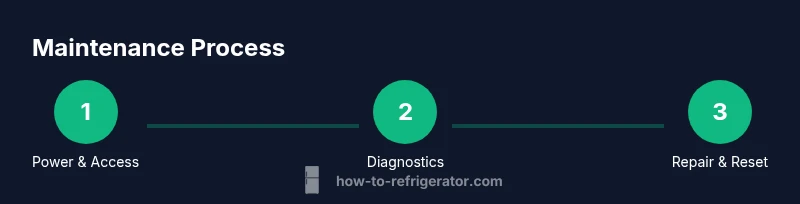
Follow these actions in order to pinpoint cooling and ice-maker issues without guesswork. Step 1: Verify power and control settings. Ensure the unit is plugged in, the outlet is live, and the control panel displays the correct temperatures. Step 2: Confirm the temperature settings for both compartments are appropriate and not set too low, which triggers unnecessary defrost cycles. Step 3: Inspect door seals with a simple test and adjust if there’s a gap. Step 4: Look at condenser coils for dust buildup; unplug the fridge and carefully vacuum or brush away debris. Step 5: Listen for the evaporator fan; if it’s not running, airflow to the evaporator may be blocked. Step 6: Check the defrost system and defrost drain for clogs; a frozen evaporator can mimic a not-cooling condition. Step 7: For ice-maker problems, confirm the water supply line is on and not kinked. This methodical approach reduces unnecessary part replacements and keeps your Frigidaire French door running efficiently.
Ice maker and water dispenser troubleshooting
Ice maker issues often stem from the water supply, ice maker bin alignment, or a frozen line. Start by ensuring the water valve is fully open and the water line is connected securely. If ice cubes are hollow or misshapen, the ice maker may need to be reset or the water filter replaced. Dispenser sluggishness can mean a clogged filter or mineral buildup in the dispenser tube. For many users, a simple reset of the ice maker and a new filter restores normal operation. Regularly inspect the line for leaks and damage and avoid over-tightening fittings, which can crack the tubing.
Doors, seals, and gasket care
A poor seal invites warm air in and increases frost and energy usage. Test door gaskets by closing the door on a piece of paper or a dollar bill; if you can pull easily with resistance, the seal may be worn or out of alignment. Clean the gasket gently with warm soapy water to remove residue that impedes sealing. If the doors don’t close evenly, adjust the door alignment using the hinges as described in the user manual. After any adjustment, recheck the seal, especially along the lower edge where gaps are common due to weight distribution.
Defrost drain and frost management
Frost buildup on the evaporator can reduce cooling efficiency, which makes the defrost drain a critical component. If you notice frost on the back wall of the freezer or a pooling area inside the fridge, the defrost drain may be blocked. Unplug the unit, locate the drain tube, and flush with warm water or a mild cleaning solution. Avoid chemical drains that could corrode tubes. If you suspect a defrost heater failure, you should seek professional help, as this requires specialized testing.
Maintenance plan and safety reminders
A proactive maintenance routine prevents many common failures in a French door refrigerator frigidaire. Regularly vacuum the condenser coils, check door seals, replace water filters on schedule, and clean the interior shelves to improve airflow. Always unplug before any internal inspection and wear gloves to protect your hands from sharp edges. For safety, never bypass safety interlocks or work inside the compressor area without training. How To Refrigerator encourages homeowners to document serial numbers, model details, and service dates to streamline future repairs.
AUTHORITY SOURCES
To support safe, evidence-based maintenance, consult these authoritative resources: • https://www.energy.gov/eere/buildings/articles/keeping-your-refrigerator-efficient • https://www.consumer.ftc.gov/articles/appliances-safety • https://www.nist.gov/news-events/news/2018/01/energy-saver-tips-appliances
Tools & Materials
- Phillips head screwdriver(PH2 or PH3 depending on screws)
- Flathead screwdriver(For prying panels or prying caps)
- Nut driver set(3/16 and 1/4 inch sizes for hardware)
- Multimeter(For testing switches/thermostats if needed)
- Soft cloths(For cleaning coils and gaskets)
- Bucket or towels(Catch spills when defrosting or cleaning)
- Gloves(Protect hands from sharp edges)
- Owner's manual or model PDF(Model-specific steps and safety guidance)
Steps
Estimated time: 60-90 minutes
- 1
Power down and access
Unplug the refrigerator and carefully pull it away from the wall to access rear panels safely. This minimizes shock risk and gives you room to work.
Tip: Place a towel on the floor to catch drips when removing panels. - 2
Check power and settings
Verify the plug is firmly seated and the outlet is delivering power. Confirm the thermostat and control panel show normal values for both compartments.
Tip: If the display is blank, try a different outlet or replace the outlet fuse. - 3
Inspect door seals
Carefully examine gaskets around all doors; clean with warm soapy water and inspect for cracks or hardening.
Tip: Perform the dollar-bill test to confirm a proper seal; replace seals if the bill slides out with little resistance. - 4
Clean condenser coils
Dust and debris insulate coils and reduce cooling efficiency. Vacuum or brush coils from the back or underneath the unit.
Tip: Do this every 6–12 months for energy savings and better performance. - 5
Check evaporator fan
Listen for the evaporator fan when doors are opened. If the fan is silent or noisy, airflow may be compromised.
Tip: If the fan doesn’t run, do not run the unit until inspected; this may indicate a faulty motor. - 6
Inspect defrost system and drain
Look for frost buildup and a clogged defrost drain. Clear the drain with warm water; avoid harsh chemicals.
Tip: If the defrost heater is suspected to fail, contact a professional. - 7
Test ice maker and water line
Ensure the water supply valve is fully open and the line isn’t kinked or frozen. Reset the ice maker if needed.
Tip: Replace the water filter if the flow is weak or the ice is discolored.
FAQ
What are the most common reasons a Frigidaire French door refrigerator won't cool?
Common causes include dirty condenser coils, faulty door seals, evaporator fan failure, and defrost system issues. Start with the simplest checks—coils clean, seals intact, and fan operating.
Most not-cooling issues start with dirty coils, worn seals, or a faulty evaporator fan. Begin with the easy checks.
How can I test door seals for leaks?
Close a folded bill or piece of paper in the door and pull. If the bill slips out easily with little resistance, the seal may be worn and should be replaced.
Do the dollar bill test: if the paper slips out easily, you likely need new seals.
Is it safe to run a defrost drain manual clean?
Yes, unplug the unit and flush the defrost drain with warm water or a mild cleaning solution. Do not use caustic chemicals or solvents.
Unplug first and flush the drain with warm water. Avoid harsh chemicals.
When should I replace the water filter?
Replace the water filter every 6-12 months or when your unit indicates a replacement is due. A clogged filter reduces water flow and ice quality.
Change the water filter according to the manufacturer’s schedule.
Can I fix an ice maker not producing ice myself?
Yes, check the water line, ice maker arm, and bin alignment first. If problems persist, schedule professional service.
Try basic checks on the ice maker before contacting a pro.
What maintenance helps prevent future fridge failures?
Regularly clean coils, inspect seals, and replace filters on schedule. Keep the interior organized to ensure proper airflow.
Routine maintenance helps prevent common failures.
Watch Video
Top Takeaways
- Test power and settings first to rule out simple causes.
- Inspect seals and airflow before replacing parts.
- Clean condenser coils regularly to maintain cooling efficiency.
- Defrost drain maintenance prevents frost buildup and leaks.
- Call a pro for heater faults or high-voltage concerns.