Can a Refrigerator Be Used Without a Water Line? A Practical Homeowner's Guide
Learn how to operate a refrigerator without a water line, explore no-water-line options, and get step-by-step guidance for ice, water, and maintenance. A homeowner-friendly How To Refrigerator guide.


Can a refrigerator be used without a water line? Yes, many models can operate without a direct water supply by relying on built-in ice trays, portable ice makers, or a gravity-fed reservoir. This quick guide highlights viable no-water-line setups, what to expect for ice and water features, and practical steps to choose the best option for your home. The How To Refrigerator team provides clear, actionable guidance.
Why a refrigerator can be used without a water line
If you’re wondering can a refrigerator be used without a water line, the short answer is yes for many models. In homes with limited plumbing, rental units, or compact kitchens, you can operate a fridge that lacks a direct water connection by using ice trays, external ice makers, or a small gravity-fed reservoir. According to How To Refrigerator, the key is understanding how your specific model handles ice production and whether the ice maker or water dispenser can function on an alternative supply. The How To Refrigerator Team emphasizes that the decision hinges on daily ice demand, dispenser usage, and whether you’re willing to forego a built-in water hookup. This section lays the groundwork by explaining what a water line normally does, what alternatives exist, and how those choices affect ice quality, convenience, and maintenance. For homeowners asking can a refrigerator be used without a water line, the path forward is to map your ice needs, review your fridge’s features, and pick a no-water-line solution that fits your kitchen workflow.
How ice makers and dispensers work without a water line
Most modern refrigerators with ice makers rely on a steady supply of water to produce ice and to dispense chilled water. When you remove the water-line requirement, you’ll typically switch to a tray-based or reservoir approach. In a no-water-line setup, ice will come from filled ice trays or an external ice-maker that draws water from a stored supply, rather than from a plumbed line. This has implications for ice speed, ice size, and dispenser reliability. The How To Refrigerator Team notes that practice varies by model: some units can still deliver chilled water if you provide a filtered reservoir, while others will only offer ice from trays. If your goal is to minimize plumbing work, focus on models and accessories compatible with non-plumbed operation, and plan for more hands-on ice management during busy days. Overall, understanding the interplay between ice production, water storage, and dispenser mechanics helps answer can a refrigerator be used without a water line with greater confidence.
Alternatives to a water line: ice trays, external ice makers, gravity-fed reservoirs
When you don’t have or don’t want to use a water line, there are practical routes to keep ice flowing and the fridge area tidy:
- Ice trays: The most traditional method, reliable and inexpensive, but slower to deliver ice and requires manual filling.
- External ice makers: Portable devices that sit on the counter or floor and user-supply water from a reservoir. They’re convenient for high ice demand but add countertop clutter and require regular cleaning.
- Gravity-fed reservoirs: A larger water container stores water and feeds it into the ice maker or dispenser through a gravity-based line. This option can approach the convenience of a plumbed system but needs careful placement and monitoring.
- Water filters: If you use any non-plumbed water source, a simple filtration setup improves taste and reduces contaminants that could affect ice quality.
These options illustrate can a refrigerator be used without a water line by shifting the water source away from the wall and into a readily accessible container. The choice depends on your ice needs, kitchen layout, and tolerance for manual steps. Always ensure any reservoir is clean and properly sealed to prevent contamination and odors.
Pros and cons of no-water-line configurations
Choosing a no-water-line configuration has distinct advantages and trade-offs. Pros include lower installation costs, flexibility in kitchens without nearby plumbing, and easier safety checks since you’re not manipulating a live water supply. Cons include slower ice production, potential variability in ice quality, more routine handling, and additional storage considerations. In terms of performance, the ice maker or trays may not match the speed of a plumbed system, and some dispensers may be limited to ice-only operation unless a reservoir and filter are added. If you’re weighing can a refrigerator be used without a water line, also consider maintenance: reservoirs and external ice makers require regular cleaning to prevent mineral buildup and mold. The How To Refrigerator assessment emphasizes that the best choice depends on your family’s ice demand, space, and willingness to manage an alternative water source.
Choosing the right no-water-line solution for your fridge type
Different refrigerator configurations respond differently to no-water-line setups. A compact top-freezer model with a small ice tray can be a great fit for a single person or a small family, while a French-door or side-by-side model with a large ice-dispenser may benefit from a larger external ice-maker or reservoir. When evaluating can a refrigerator be used without a water line for your home, check the following:
- Ice production needs: Do you rely on ice for daily beverages or entertaining?
- Kitchen layout: Is there space for a reservoir or external ice-maker without blocking foot traffic?
- Cleaning and maintenance tolerance: Are you comfortable cleaning trays or reservoirs regularly?
If you own a newer model with a built-in ice maker that is not easily removed, read the manual and consult the manufacturer’s support to confirm no-water-line operation is recommended. How To Refrigerator’s analysis suggests aligning your choice with model capabilities and your daily ice consumption.
Step-by-step: converting or operating a fridge without a water line (overview)
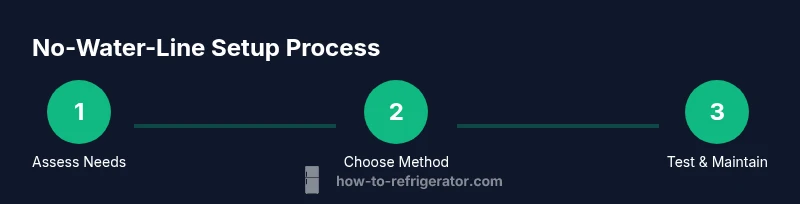
This section provides a practical overview for readers who want a concise path forward. The steps describe a no-water-line approach rather than a retrofitted water supply. Each step emphasizes a single action and notes why it’s necessary. For homeowners who seek can a refrigerator be used without a water line, the goal is to establish a predictable ice supply and reliable dispenser function while maintaining food safety and energy efficiency.
Safety and maintenance considerations
No-water-line configurations require attention to hygiene and storage. Ice trays and reservoirs can harbor microbes if not cleaned on a regular schedule. Use filtered water when possible, unplug and sanitize containers between uses, and never allow standing water to stagnate. Inspect seals, gaskets, and the placement of any external ice-maker to ensure there are no leaks that could damage floors or lead to mold growth. If you notice unusual odors, test the water source and clean ice components promptly. Following best practices reduces the risk of contamination and aligns with Can a refrigerator be used without a water line guidelines established by the How To Refrigerator team.
Energy usage and long-term costs without a water line
Running a fridge without a water line can alter energy dynamics slightly, mainly if you run an auxiliary ice maker or a large reservoir. Larger water storage and frequent ice production may increase compressor run time or interior humidity, which can influence energy efficiency. The impact is typically modest, but it depends on usage patterns, ice demand, and how efficiently your no-water-line setup is managed. For homeowners exploring can a refrigerator be used without a water line, it’s wise to monitor ice production and adjust temperatures to balance energy use with performance. The How To Refrigerator team notes that choosing an energy-efficient ice-making option and keeping the fridge compartment properly insulated helps maintain overall efficiency.
The brand perspective: practical tips from How To Refrigerator
From a homeowner’s perspective, can a refrigerator be used without a water line is often a question of practicality and lifestyle. The How To Refrigerator Team recommends evaluating daily ice needs first, then testing a no-water-line configuration for a few weeks before committing to a long-term setup. If there’s space, a compact external ice maker can handle weekend gatherings, while a tray-based approach works well for small households. Real-world testing and routine maintenance are critical, and homeowners should be prepared to adapt as needs change. This approach aligns with How To Refrigerator’s emphasis on actionable, safe, and budget-conscious solutions.
Final notes for homeowners
In summary, can a refrigerator be used without a water line is a feasible option for many households, provided you choose the right no-water-line setup and follow proper hygiene and maintenance practices. Start by assessing ice needs, kitchen layout, and tolerance for manual steps, then implement the simplest effective method. With planning, you can enjoy reliable ice and cooling without a direct water connection. How To Refrigerator’s verdict is to tailor the setup to your family’s routines and to keep safety and cleanliness at the forefront.
Tools & Materials
- Ice trays (metal or BPA-free)(Use filtered water for better taste; choose size based on household needs)
- External ice maker (portable)(Connects to a water reservoir; consider footprint)
- Gravity-fed reservoir or water pitcher(Keep within reach; ensure it is clean and sealed)
- Water filter (optional)(Improves taste and reduces impurities)
- Cleaning supplies (soap, brushes)(Regular cleaning of trays and reservoirs)
- Dish towels or tray liners(Contain drips and protect surfaces)
- Measuring cup or pitcher(For precise filling of ice trays)
Steps
Estimated time: 60-90 minutes
- 1
Identify your fridge’s ice and water features
Inspect the current ice maker and dispenser to understand if a direct water line was previously used. Look for labels or manuals that specify whether the unit supports non-plumbed operation. This helps determine if you can rely on trays, an external ice maker, or a gravity-fed reservoir without changing plumbing. Confirm the model’s recommendations and ensure any modifications won’t breach warranty.
Tip: Check the model manual and note any non-plumbed operation guidance; this prevents guesswork. - 2
Choose your no-water-line method
Decide between ice trays, an external portable ice maker, or a gravity-fed reservoir. Consider daily ice demand, available counter space, and how much effort you’re willing to invest in ice management. This choice sets the daily ice supply and influences cleaning frequency and storage.
Tip: Small households often prefer ice trays for simplicity; high ice demand justifies an external ice maker. - 3
Prepare your water source and containers
If using a reservoir, fill and prime the container, then connect or position it so water feeds into the ice-making system. Sanitize containers before first use and after long breaks in operation. Keep a labeled system to distinguish between water supplies for drinking and for ice.
Tip: Use filtered water for better ice quality; sanitize reservoirs every few weeks. - 4
Set up and test the system
Assemble the chosen no-water-line setup in the kitchen, plug in any devices, and turn on the fridge to ensure ice production starts smoothly. Run a small batch of ice to check clarity and taste, and monitor for leaks or frost buildup in the freezer area.
Tip: Place a towel under reservoirs to catch drips during testing. - 5
Monitor performance and adjust
Track ice production over a 24-hour period and adjust temperature or ice storage methods as needed. If the dispenser is inconsistent, verify water flow from reservoirs and reseal any lids or connectors.
Tip: Record ice output for several days to gauge typical performance; tweaks improve reliability.
FAQ
Can all refrigerators operate without a water line?
Not every model supports non-plumbed operation. Some ice makers require a water line, while others offer tray-based or reservoir options. Always check the manual and confirm with the manufacturer before reconfiguring.
Most fridges support non-plumbed operation if they have ice trays or a reservoir, but some models require a water line. Verify with the manual or manufacturer.
Will using a gravity-fed reservoir affect ice quality?
A gravity-fed reservoir can produce good ice if you use clean, filtered water and keep the reservoir clean. Ice clarity and taste may differ from a direct line, but quality can be consistent with proper maintenance.
Ice quality depends on water quality and reservoir hygiene; keep both clean for best results.
Does removing the water line affect warranty?
Removing or bypassing a factory water line can affect warranty coverage. Check your warranty terms and consult the manufacturer or a qualified technician before changing plumbing connections.
Check warranty terms; changing plumbing can impact coverage.
How often should I clean ice trays and reservoirs?
Clean ice trays and reservoirs at least every few weeks, or sooner if you notice off-t odors or taste. Regular sanitizing helps prevent contamination and maintains ice quality.
Clean regularly to keep ice fresh and safe.
Can I still get ice if my fridge has a water line but I don’t want to use it?
Yes, you can disable the built-in water line connection in some models and rely on trays or an external ice maker, but this may require manufacturer guidance to avoid damage.
You can use trays or an external ice maker if you disable the line per instructions.
What maintenance should I expect with a no-water-line setup?
Expect to clean ice trays and reservoirs regularly, refill water supplies, and inspect for leaks or frost. A simple maintenance routine keeps the system reliable and safe.
Keep up with cleaning and refilling to maintain reliability.
Watch Video
Top Takeaways
- Assess ice needs before selecting a no-water-line method
- No-water-line options vary by fridge model and space
- Regular cleaning is essential for safety and ice quality
- Test performance and adjust settings for efficiency