Can You Refrigerate Formula? Safe Storage Guide for Parents
Learn how to safely refrigerate infant formula, including storage times, handling tips, and how to discard leftovers. A practical, educational guide from How To Refrigerator.


Yes. Prepared infant formula can be refrigerated, and cold storage helps keep it safe. Store in the refrigerator (4°C or colder) and use within about 24 hours of preparation. Do not reuse formula left after a feeding once it has been warmed; discard it after 1 hour. Always follow package directions and your pediatrician’s guidance.
Why refrigeration matters for formula safety
According to How To Refrigerator, maintaining temperature control is essential to minimize bacterial growth in infant formula. Refrigeration slows the multiplication of microbes that can be introduced during preparation or handling. The How To Refrigerator team found that simple practices—clean hands, clean bottles, and prompt cooling—lead to meaningful safety gains for families. In practical terms, keeping prepared formula in a dedicated container with a secure cap in the fridge at 4°C or colder reduces risk compared with leaving it at room temperature. For caregivers, understanding the formula’s lifecycle—from water to bottle—helps avoid common mistakes such as letting formula sit out or reusing warmed portions in the same bottle. Always store prepared formula promptly and discard leftovers that don’t get consumed within the recommended window. Remember that formula is food for a newborn, and safety guidelines are designed to prevent potentially dangerous bacteria from taking hold. If you’re ever unsure, consult your pediatrician or local health department for guidelines specific to your region.
Understanding different formula formats and storage rules
Formula comes in several formats, and each has its own handling and refrigeration nuances. Powder formula is mixed with water according to the label, then cooled and stored in the refrigerator until feeding. Ready-to-use and ready-to-feed formulas are liquids that may be stored at room temperature until opened, but once opened they typically require refrigeration and a finite use window. Always rely on the packaging for precise guidance on shelf life after opening and refrigerating. For families on the go, a compact cooler bag with ice packs can keep prepared bottles safe during travel. The How To Refrigerator analysis shows that clear labeling and strict separation of prepared formula from unprepared powder helps maintain safety, especially when multiple caregivers are involved. Prioritize a consistent routine so formula storage remains predictable for baby’s feedings.
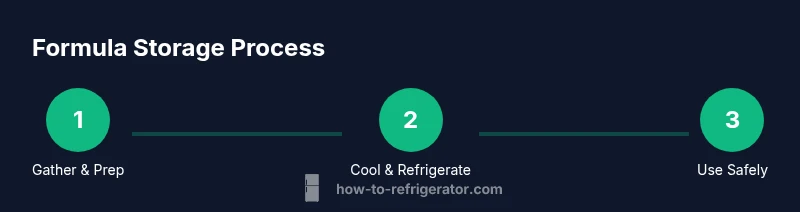
Cooling and handling steps after preparation
After you mix the formula, move quickly to cool and refrigerate. Start by testing feeding temperature to ensure it’s not too hot before offering the bottle to your baby. Rinse and dry the bottle, cap it securely, and place it in the refrigerator promptly. Keep the fridge at or below 4°C (39°F) and avoid storing hot bottles with cold items, which can raise the overall temperature of the fridge. If you use a timer, you can aim to have the bottle in the fridge within a short window after preparation. The How To Refrigerator guidelines emphasize clean handling, proper sealing, and avoiding cross-contamination from kitchen surfaces or hands. Label each bottle with the date and time to track freshness, and never mix fresh formula with leftovers in the same bottle. When in doubt, discard any portion that looks or smells unusual and start fresh.
How long can refrigerated formula be stored?
Most guidelines suggest using refrigerated formula within 24 hours of preparation, and it is typically safe to keep it in the fridge until that window closes. If you have warmed some formula, many authorities advise using it for that feeding and discarding any leftovers; do not re-refrigerate or reheat leftovers multiple times. Always check the product label for any brand-specific restrictions, and confirm with your pediatrician if your baby requires special formulas or has digestion concerns. Maintaining a consistent refrigeration routine, separating prepared bottles from unprepared powder, and avoiding extended room-temperature exposure are reliable habits that reduce risk. Remember that safe storage practices help protect your baby from potential contamination while preserving nutrient integrity.
What to do with leftovers after feeding
If a bottle is not finished during a feeding, assess whether the formula inside can be saved or should be discarded. In most cases, once a baby has started feeding from a bottle, any remaining formula should be discarded after that feeding. This practice minimizes the chance of bacteria multiplying in the bottle and avoids your baby consuming bacteria. Even if formula has just been prepared, plan for portions you can confidently use within the safe window. If you’re in a shared caregiving situation, consider labeling bottles with the precise time they were prepared and a “discard after” time to prevent accidental reuse. Always trust your senses; if the smell, texture, or color is off, discard and prepare a fresh bottle.
Travel, daycare, and on-the-go storage
Travel and daycare present additional challenges for formula safety. Use a dedicated cooler bag with ice packs to keep formula cold during transit, and avoid leaving bottles in a hot car. When possible, prepare fresh formula close to feeding times rather than stocking large quantities in advance. At daycare, have a plan for labeled bottles that clearly indicate preparation time and discard guidelines. If baby’s feeding schedule changes, rotate older refrigerated bottles to the front and ensure older contents are used first (FIFO: first in, first out). Always verify that the cooler remains cold and that bottles are not exposed to direct sunlight, heat, or damp conditions.
Contamination prevention and sanitation
Prevention starts with clean hands, clean bottles, and clean surfaces. Wash bottles with hot, soapy water and a bottle brush; rinse thoroughly and air-dry on a drying rack. Store bottles with caps on to protect from dust and bacteria, and never touch the inside of bottle openings. When taking formula from the fridge, inspect its appearance and odor; if anything seems off, discard rather than risk baby’s health. Use a dedicated storage area in the fridge for prepared bottles to reduce cross-contamination with other foods. If you share responsibilities with another caregiver, implement a simple, repeatable routine so everyone follows the same safety rules.
Quick-start checklist for busy parents
- Gather clean bottles, caps, and a bottle brush.
- Prepare formula exactly as labeled; use safe water and correct powder-to-water ratio.
- Cool promptly and refrigerate at 4°C or colder.
- Label bottles with date and time; use within the recommended window.
- Do not reuse warmed leftovers; discard after feeding if not finished.
Additional safety considerations and routine
Maintaining a consistent routine reduces risk. Regularly check your fridge temperature with a thermometer, and replace any components showing wear or improper seals. If you have a medical concern about formula safety, contact your pediatrician for personalized guidance. Remember that storage guidelines can vary by brand or local health authority, so always cross-check packaging and local recommendations.
Tools & Materials
- Baby bottles with nipples and caps(Choose BPA-free, dishwasher-safe bottles; have extra caps for rotation)
- Bottle brush and drying rack(For thorough cleaning between uses)
- Clean water supply or boiled cooled water(Follow local water safety guidelines; boil water if advised for formula mixing)
- Measuring scoop and leveler(Ensure accurate powder to water ratio)
- Labeling tape or marker(Label date/time on each bottle)
- Refrigerator thermometer(Keep fridge at 4°C or colder)
- Cooler bag with ice packs (for travel)(Keep formula cold during outings)
- Waste disposal bags(Dispose of any leftovers safely)
Steps
Estimated time: 15-25 minutes
- 1
Gather clean supplies
Wash your hands and assemble all bottles, caps, formula powder, water, thermometer, and storage materials. A prepared workspace minimizes contamination and keeps the process efficient.
Tip: Have everything within arm’s reach to reduce handling of surfaces and bottles. - 2
Prepare formula according to directions
Measure the correct amount of formula and water as indicated by the label. Use freshly boiled water if your pediatrician recommends it for safety; allow it to cool to feeding temperature before mixing.
Tip: Use a level scoop and never guess—accurate ratios matter for baby health. - 3
Cool and move to fridge promptly
After mixing, place the bottle in a shallow pan of cool water to speed cooling, then refrigerate. Do not leave formula at room temperature for extended periods.
Tip: Place bottles in the back of the fridge where temperatures are most stable. - 4
Label and rotate storage
Label each bottle with preparation time and discard time. Practice FIFO so older formula is used first and never mixes with newer batches.
Tip: Keep a simple log or sticky note near the fridge to track times. - 5
Check temperature before feeding
Test bottle temperature by touch or with a thermometer to ensure it’s not too hot. Feeding at a safe temperature helps prevent burns and preserves nutrients.
Tip: If unsure, test on your inner wrist—cooler is better than too warm. - 6
Use refrigerated formula within the safe window
Plan feeds so bottles are used before the safe window ends. Do not reuse formula that has been warmed for a later feeding without discarding.
Tip: If you’re unsure how long a bottle has sat out, err on the side of caution and discard. - 7
Discard leftovers after feeding
If the baby does not finish a bottle, discard any remaining formula. This reduces contamination risk and protects your baby’s health.
Tip: Never re-refrigerate or reheat leftover formula.
FAQ
Can you refrigerate formula that has already been prepared?
Yes. You can refrigerate prepared formula to extend its safety window. Place it in the fridge as soon as possible after preparation, and use within the recommended time; always discard leftovers after feeding if warming has occurred.
Yes. Refrigerate prepared formula promptly after mixing and use it within the recommended window; discard leftovers after feeding if warmed.
How long does refrigerated formula last after opening?
Most guidelines suggest using refrigerated formula within 24 hours of preparation after opening; always rely on the packaging and your pediatrician for region-specific guidance.
Typically, use refrigerated formula within 24 hours of opening; check the label for exact guidance.
Can warmed formula be refrigerated again?
No. Once formula has been warmed to feeding temperature, it should be used for that feeding and discarded if not finished. Do not refrigerate and reuse.
No. Do not refrigerate warmed formula or reuse leftovers.
Is it safe to travel with formula in a cooler?
Yes, transport formula in a cooler with ice packs to maintain a safe temperature; avoid leaving it in a hot car and never feed formula at room temperature.
Yes—use a cooler with ice packs to keep formula cold while traveling.
What signs indicate formula has spoiled?
Dispose of formula that smells off, looks lumped, or discolored, or has separated; when in doubt, throw it out and prepare a fresh bottle.
If it smells off or looks unusual, discard it and make a fresh bottle.
Watch Video
Top Takeaways
- Store prepared formula in the fridge promptly.
- Use refrigerated formula within 24 hours of preparation.
- Discard leftovers after feeding if warmed.
- Keep bottles clean, labeled, and separated from other foods.