Organize Refrigerator Bins for a Better Kitchen Space
Discover how to select, clean, label, and arrange refrigerator bins to maximize space and keep foods fresh. This guide covers bin sizes, measuring shelves, labeling, and practical layouts.


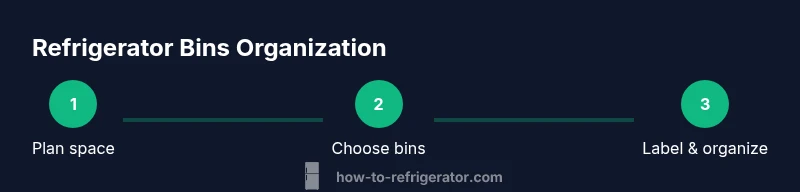
Goal: optimize your fridge space by selecting the right refrigerator bins, cleaning them thoroughly, and arranging contents for quick access. You’ll learn how to measure bin dimensions, choose compatible sizes for shelves, clean and sanitize plastic and glass bins, and label sections for easy sorting. This step-by-step approach helps reduce clutter and waste.
What are refrigerator bins and why they matter
Refrigerator bins are modular containers you place on shelves or in crisper zones to separate foods by category, size, or use. They can be clear acrylic, sturdy BPA-free plastic, or glass, and they help you see contents at a glance. For homeowners focusing on organization, these bins reduce cross-contamination, prevent spills from spreading, and keep regularly used items within reach. By using refrigerator bins skillfully, you create a repeatable layout that makes meal planning faster and groceries last longer. When we talk about refrigerator bins, we mean practical storage accessories designed to fit standard shelves and adapt to different fridge configurations. The right bins turn a crowded shelf into a tidy, label-friendly system that saves time during weekday breakfasts and family meals. How To Refrigerator has found that a thoughtful bin strategy can cut down on impulse buys and waste, while improving freshness.
How to choose the right bin sizes for fridge shelves
Choosing the right bin sizes for fridge shelves begins with measuring your space and listing common items you store. Start by noting shelf width, depth, and clearance above the bin when doors fully open. Then consider three general bin types: small bins for berries and snacks, medium bins for dairy and prepared foods, and larger bins for beverages or bulk produce. Clear plastic tends to reveal contents quickly, while colored or labeled bins help differentiate zones at a glance. If your shelves are adjustable, look for bins with adjustable dividers or stackable designs to maximize flexibility. Plastic bins with lids prevent spills and odors from migrating between compartments, while open-top designs allow airflow for produce. Your goal is to create a modular system where each bin has a clear purpose and sits in an accessible spot. By planning layout around the fridge’s existing geography, you’ll frequently reach for the right items and keep refrigerator bins organized over weeks and months, not just days.
Materials and cleaning methods
Materials and cleaning methods for refrigerator bins matter to maintain freshness. Start with the bins themselves—choose BPA-free, dishwasher-safe options if possible, so you can sanitize easily. Use mild dish soap, warm water, and a soft cloth or sponge to remove residue, then rinse and dry thoroughly before returning bins to the shelves. For odors, a light solution of white vinegar or baking soda can help without harsh chemicals near food. Clean the shelves and the bin rims with the same process, paying attention to corners where spills tend to accumulate. Keep a small spray bottle of sanitizer handy for quick touch-ups when you note sticky or stale surfaces. For high-traffic households, consider organizing by frequency of use and cleaning a bin weekly or biweekly to prevent build-up. The goal is to protect your family’s food while extending the life of the bins themselves and avoiding cross-contamination between bins across the refrigerator.
How to measure bin dimensions accurately
Accurate measurements prevent buying bins that don’t fit or interfere with door movement. Start by measuring shelf depth (front to back) and the height available for any bin, including a few millimeters of clearance. Measure each bin’s length, width, and depth before purchase, noting any curved corners that could reduce usable space. If you already own bins, lay them on the shelf and check how they align with bottle racks, crisper controls, and dividers. When possible, choose bins with slightly smaller internal dimensions than the shelf space to allow air circulation and easy removal. Some bins offer adjustable dividers; these can help you customize space for tall bottles or wide items. Finally, test a dry run by placing items in the bins and sliding them onto the shelf to ensure comfortable reach and minimal shifting during everyday use.
How to organize by category with bins
Organizing by category helps you know where to find items in the refrigerator bins and reduces waste. Create zones for produce, dairy, proteins, leftovers, beverages, and condiments. Use clearly labeled bins so family members understand the contents at a glance. Produce bins should emphasize airflow, moisture control, and easy accessibility; dairy bins work best near the front to catch the first light of the fridge and minimize warmth; leftover bins should be shallow to keep portions visible. If you store prepped meals, dedicate a bin for prepared ingredients to speed up weekday cooking. For beverages, a slim bin on a door shelf or a small bin under the fruit drawer can keep bottles upright and stable. Keep frequent items in bins at eye level for quick grabbing, and rotate items so older foods are used first. This method makes refrigerator bins a practical part of daily routines rather than a clutter source.
Labeling and color-coding strategies
Labeling and color-coding are essential to quick recognition of what’s inside refrigerator bins. Use legible labels with bold text that contrast against the bin color. A simple color code can indicate use: green for produce, blue for dairy, red for meats, yellow for leftovers. Date labels show when items were prepared or opened, helping you use ingredients before they spoil. Clip-on labels or laminated cards work well in humid fridge environments. For families with kids, pictorial icons can speed up the process. Place labels on the front of the bin or along the rim so you don’t have to lift each bin to read. Over time, a consistent color scheme and labeling system become intuitive, making refrigerator bins a reliable organizing tool rather than a chore.
Common pitfalls and mistakes
Even with a plan, you can stumble. Common mistakes include overfilling bins, which restricts airflow and makes items harder to see; using opaque bins that hide contents; and failing to sanitize after spills, which leads to odors or contamination. Another pitfall is not adjusting bins when shelves are reorganized or when you buy a new fridge, as ill-fitting bins tempt you to revert to loose bags. A frequent error is storing perishable foods in bins that sit too close to the door, where temperature fluctuations are greatest. Finally, neglecting labeling or failing to update dates after groceries are opened leads to wasted food and confusion at mealtimes. Avoid these by testing your system, seeking feedback from household members, and revising bin setups after grocery runs.
How to maintain bin organization over time
Maintenance is about consistency and routine. Schedule a monthly quick-check to wipe bins, discard expired items, and rearrange bins to reflect current cook habits. Implement a weekly 5-minute audit where you verify that each bin contains items in its category and that placement matches your zones. Keep a simple checklist on the fridge door so everyone can join in. When you notice frequent spills, consider adding liners or changing to bins with lids to reduce mess. If you run a busy household or host guests, rotate bins to accommodate seasonal produce and beverages. A stable system uses a repeatable pattern: take out, wipe down, restock, and label as needed. Adopting this cadence will maintain the integrity of your refrigerator bins and keep your kitchen running smoothly.
Real-world layout examples
In a typical family refrigerator, three to five refrigerator bins together with clear shelves and labeled zones can create an efficient workflow. Place a produce bin near the crisper for leafy greens and berries, a dairy bin near the front for milk, yogurt, and eggs, a leftovers bin in the center of the fridge, and a beverages bin along the door side to minimize door-open time. A compact apartment fridge benefits from a single tall bin for produce and a shallow bin for condiments, with a separate small bin for snacks. A larger family fridge could use a tall bin for deli meats, a wide bin for vegetables, and a shallow bin for herbs and sauces. The goal is to map your space to your typical shopping list, then duplicate that blueprint in future reorganizations. This is where refrigerator bins become a practical, repeatable solution rather than a one-off hack.
Quick-start setup checklist
- Survey the shelves and measure available space for refrigerator bins
- List common items you store and assign bin categories
- Choose 3-4 bin sizes (small, medium, large) based on space
- Clean shelves and sanitize bins before loading contents
- Label each bin with contents and date opened
- Place bins in accessible zones and test for reach and clearance
- Maintain the system with a monthly check and clean
Authority Sources
- U.S. Food and Drug Administration (FDA): https://www.fda.gov/food-safety
- United States Department of Agriculture (USDA): https://www.usda.gov
- Cooperative Extension Resources (edu): https://extension.umd.edu
Tools & Materials
- Measuring tape(1 m (3 ft) minimum; measure shelf depth and bin width)
- Ruler or caliper (optional)(Helpful for precise inner bin dimensions)
- Bins (various sizes)(Clear BPA-free plastic or glass; lids preferred)
- Dish soap(Mild and food-safe)
- Warm water spray bottle(For quick cleaning and sanitizing)
- Microfiber cloths(For streak-free drying)
- Sponge or soft scrubber(Gentle on bin surfaces)
- Labels or label maker(Clear, durable labels)
- Permanent marker or pen(For date labels)
- Isopropyl alcohol or vinegar(Odor control and sanitizing option)
- Scissors (optional)(Trim packaging or liners)
- Liners or shelf mats (optional)(Contain spills and aid cleanup)
Steps
Estimated time: 90-150 minutes
- 1
Assess current fridge layout
Take stock of what you currently store and how it sits on each shelf. Note problem areas where items constantly get pushed to the back or get buried behind jars. This initial audit informs bin selection and layout decisions.
Tip: Take a before photo to compare improvements after you reorganize. - 2
Measure shelves and door clearance
Use a measuring tape to capture shelf depth and width, plus the clearance above bins when doors swing open. Document any irregular shelf shapes that could affect bin fit.
Tip: Record measurements in a simple grid for quick reference later. - 3
Select bin sizes and configurations
Choose 3–4 bin sizes that cover produce, dairy, leftovers, and beverages. Prioritize clear bins for visibility; consider adjustable dividers to fit tall bottles or oddly shaped items.
Tip: Prefer bins with lids for spill control and odor containment. - 4
Empty fridge and clean shelves
Remove all contents and wipe shelves with mild soap and water. Dry thoroughly before placing bins back in to prevent moisture buildup that can spoil foods.
Tip: Use a separate area to stage bin cleaning to avoid cross-contamination. - 5
Wash and sanitize bins
Wash each bin with soap, rinse, and air-dry. Sanitize with a food-safe solution if needed, and ensure bins are completely dry before reloading.
Tip: Avoid harsh chemicals near food-contact surfaces. - 6
Arrange bins by category on shelves
Place bins in logical zones (produce, dairy, leftovers, beverages) and keep frequently used items at eye level. Adjust placement as you use the space more.
Tip: Leave enough space between bins for easy removal. - 7
Label each bin with contents and dates
Attach clear labels on the bin fronts. Include contents and opened date to track freshness and reduce waste.
Tip: Use consistent font and size for quick recognition. - 8
Test and tweak
Run a 3–7 day test, watching for accessibility and spill-proneness. Move bins if reach or visibility is still an issue.
Tip: Make small, iterative changes rather than a full rebuild at once.
FAQ
What are refrigerator bins and why should I use them?
Refrigerator bins are modular containers designed to separate foods by category, size, or use. They improve visibility, reduce cross-contamination, and make organization repeatable across weeks. Using bins helps keep the fridge tidy and speeds up meal prep.
Refrigerator bins are modular containers that separate foods by category. They improve visibility and speed up meal prep.
How do I choose bin sizes for my fridge?
Assess shelf dimensions, list typical items, and pick 3–4 bin sizes that cover produce, dairy, and leftovers. Prioritize clear bins with lids for spills and easy cleaning.
Start by measuring shelves and listing what you store. Then pick a few bin sizes that fit and cover all categories.
Can I use any bin in the fridge near raw meat?
Use bins that are easy to sanitize and avoid bins that trap moisture near raw meat. Keep raw proteins on lower shelves, with bins that can be washed and dried thoroughly.
Yes, but place raw meat lower and use easy-to-clean bins to prevent cross-contamination.
How often should I clean refrigerator bins?
Clean bins during regular fridge cleanings, and consider a deeper wipe-down monthly. Address spills promptly to prevent odors and residue buildup.
Clean bins during routine fridge cleaning, and wipe spills as soon as they happen.
What about labeling and color coding?
Use bold labels with a high-contrast font. Implement a simple color code for categories and update the dates when you open items.
Label clearly and color-code by category to make quick decisions easier.
Are there space-saving tricks for small fridges?
Opt for slim, stackable bins and bins with adjustable dividers. Place taller items vertically and use door-space efficiently with shallow bins.
Go for slim, stackable bins and use adjustable dividers to fit tight spaces.
Watch Video
Top Takeaways
- Measure shelves before buying bins to ensure fit.
- Organize by category to reduce waste and save time.
- Label bins clearly for quick recognition.
- Clean bins and shelves regularly to maintain freshness.
- Revisit the layout after grocery changes to stay organized.