How to Organize Your Fridge: A Practical Guide for Homeowners
Learn to organize your fridge with clear zones, labeling, and a simple maintenance routine. This guide offers actionable steps for homeowners to cut waste and simplify weekly meals.


Learn how to organize fridge to cut waste and save time. This guide outlines clear zones, labeling, and a practical, step-by-step workflow you can start today. You’ll need bins, labels, a wipe-down, and a quick purge to begin. By following these steps, you’ll increase visibility, reduce spoilage, and simplify weekly meal planning.
Why organizing your fridge matters
A well-organized fridge reduces food waste, simplifies meal planning, and helps you spot spoiled items before they contaminate others. For homeowners learning how to organize fridge, the goal is to create intuitive zones (produce, dairy, ready-to-eat, beverages) that minimize cross-contamination and maximize visibility. According to How To Refrigerator, a systematic fridge setup saves time and money by reducing impulse buys and forgotten leftovers. Start by taking a quick inventory: toss expired items, check produce, and decide what you actually use weekly. This step grounds the rest of the process.
Think of the fridge as an information dashboard: clear sightlines, labeled shelves, and predictable locations for everyday items. The more you can see at a glance, the less likely you are to forget a half-used sauce or a sticky salad container. Moreover, a predictable layout reduces stress on busy mornings when you need to grab ingredients quickly for breakfast or a lunchbox. Good organization also supports energy efficiency: by avoiding overcrowding and keeping air circulating, your fridge runs more evenly and preserves freshness longer. The end result is a kitchen habit that sticks because it’s simple, repeatable, and tailored to your family's routines. Before you move items, ensure you have space to accommodate a few organizers or bins; thinking ahead now will save time later when you rotate items and rotate leftovers.
Planning your fridge zones
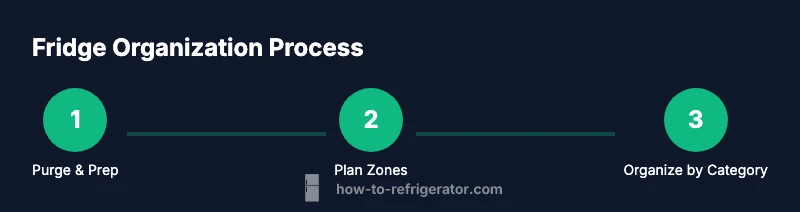
Plan zones based on how you use the fridge day to day. Keep produce in the crisper or designated bins at eye level for easy visibility. Place dairy on a middle shelf where temperatures stay more stable, while leftovers and ready-to-eat meals belong on the upper shelves for quick access. Beverages and condiments can live in the door shelves, but minimize door storage for items that perish quickly because the door experiences more temperature fluctuations. Label each zone with simple markers so your family follows the system. A practical approach is to reserve one shelf for produce, one for dairy and eggs, one for meats and leftovers, and a small section for sauces and jars. Use clear bins to segment items within each zone and create a clear path for FIFO—first in, first out—to minimize waste and keep items moving. Finally, tailor zones to your kitchen layout and routine, rather than forcing a one-size-fits-all scheme.
Clear-out and purge workflow
Initiate a clean purge by removing every item from the fridge and wiping down all surfaces. Sort items into keep, donate (if unopened and safe), and trash piles. Check expiration dates, identify leftovers you need to rotate, and set aside any items that will be moved to the freezer. Once the space is clean, dry shelves thoroughly before returning items. This is the moment to create a practical inventory: note what you actually use weekly, which items are frequently wasted, and where they belong in the new layout. If you find items with unknown origin, discard them to avoid cross-contamination. Keep a donation bag handy and schedule a pickup if your community allows it. The purge also reveals the right number and size of storage bins you’ll need, helping you implement a more organized system from day one.
How to arrange by category
Group items by category rather than by location alone. Produce should live in a dedicated bin or crisper with airflow, citrus and soft herbs kept separate from leafy greens, and small root vegetables arranged upright for easy access. Dairy products, eggs, and open jars belong on shelves where you can see dates clearly. Meat and seafood should be stored on the bottom shelf in a shallow tray to catch drips, with separate bins for thawing items. Keep condiments and sauces together near the front, as they are used regularly but don’t require the same cold sensitivity as perishables. When possible, switch to transparent storage containers so contents stay visible, and label each container with contents and dates. This method reduces rummaging and helps your family adhere to the zone system, making weeknight cooking faster and less stressful.
Labeling, dating, and visibility
Labels are your best friend in a well-organized fridge. Use bold, legible labels for each bin and shelf, and include the date when an item was opened or prepared. A quick-draw inventory list on the fridge door can help you monitor freshness at a glance. Visibility matters: clear bins and uniform container shapes minimize space wasted by oddly shaped items. Color-coded labels can signal items to use first or to check for spoilage, which supports responsible food management. By combining clear labeling with a consistent dating system, you’ll reduce waste, shorten the time spent searching for ingredients, and feel more confident about what’s inside your fridge.
Temperature and humidity considerations
Even with excellent organization, temperature control matters. Place high-risk items like dairy, eggs, and raw meat on shelves that are farther from the door and closer to the back, where temperatures stay most stable. If your fridge has humidity-controlled drawers, use them to extend the life of produce rather than mixing produce with other items. Keep the crisper and produce bin free from excess moisture; wipe away condensation as needed. Do not store cooked foods long-term in the fridge door because temperature fluctuations there can accelerate spoilage. Regularly check seals and gaskets; a loose seal can cause cold air to escape and warm pockets to form, undermining your organization.
Maintenance routines to keep fridge organized
Establish a weekly quick-check routine: scan shelves, rearrange bins if items drift, and remove anything that's approaching its expiration date. Do a deeper purge monthly, rotating leftovers and ensuring that every item has a clear home. Maintain a standing inventory list and update it whenever you add new groceries. Keeping bins and shelves clean reduces odor transfer and makes the system durable. Involve all household members by keeping the same zones and labeling conventions so everyone knows where to place items after use. A well-maintained fridge not only stays organized longer, it also reduces energy usage by avoiding overcrowding that blocks airflow.
Common mistakes to avoid
Avoid overcrowding, which blocks airflow and makes temperature control inconsistent. Don’t mix produce with ready-to-eat foods, as bacteria can transfer via juices. Relying on the door for frequent perishables leads to faster spoilage; keep door storage limited to condiments and non-perishables. Skipping labeling or not dating containers makes it easy to lose track of freshness. Finally, neglecting maintenance—like failing to wipe shelves or check seals—lets odors linger and undermines your organization.
Tools & Materials
- All-purpose fridge-safe cleaner(Non-toxic if possible)
- Microfiber cloths(2-3 reusable cloths)
- Sorting bins or clear shallow bins(Fit on shelves)
- Labels or markers(Water-resistant labels preferred)
- Trash bags(For disposing purge items)
- Shelf liners or non-slip mats(Optional for easy cleanup)
- Notepad or phone for inventory(Optional but helpful)
Steps
Estimated time: Estimated total time: 75-90 minutes
- 1
Clear and prep space
Remove all items from shelves and wipe down surfaces. This creates a clean slate for planning zones and reduces cross-contamination.
Tip: Take a quick photo of current layout for reference. - 2
Purge and categorize
Toss expired items, move rarely used items aside, and group similar items together.
Tip: Check expiration dates and set aside leftovers for rotation. - 3
Clean bins and shelves
Wash bins and shelves, dry completely before placing items back. This prevents mold and odor transfer.
Tip: Let everything dry fully before restocking. - 4
Plan zones
Decide zones for produce, dairy, meats, leftovers, and beverages based on daily use.
Tip: Place high-use items at eye level for quick access. - 5
Group like items
Return items to their zones in logical groups like vegetables, fruits, dairy, sauces.
Tip: Use transparent bins so you can see contents. - 6
Label and date
Label bins with contents and rotation dates to support FIFO.
Tip: Date on each container helps you rotate leftovers. - 7
Arrange by daily use
Put everyday essentials in front or center shelves and store rarely used items toward the back.
Tip: Keep a small everyday-section visible. - 8
Review and adjust weekly
Spend a few minutes each week to fine-tune zones as shopping and cooking habits change.
Tip: Update labels when you add new items.
FAQ
What is the easiest way to start organizing a chaotic fridge?
Begin with a quick purge: remove everything, check expiration dates, and decide what stays. Then group items by category and assign zones. This quick purge creates immediate space and gives you a clear plan to follow.
Start with a purge and grouping, then assign zones for easier organization.
How often should I reorganize my fridge?
Aim for a monthly check and a quick weekly tidy to keep zones accurate and reduce waste. Adjust zones as your family's shopping and cooking patterns change.
Do a quick weekly tidy and a deeper monthly check.
Do I need to unplug the fridge to reorganize?
No, you don't need to unplug for a standard reorganization. You can rearrange while it’s running. Unplug only when you do a deep clean that requires tubbing out shelves.
You can reorganize without unplugging; unplug only for deep cleaning.
What storage bins are best for fridge organization?
Choose clear, non-slip bins that fit your shelf depth and allow easy cleanup. Label bins and keep similar items together for quick access.
Clear, non-slip bins help visibility and organization.
How can labeling help with leftovers?
Label containers with contents and dates, and rotate leftovers using first-in-first-out. This reduces waste and keeps meals predictable.
Label and rotate leftovers to avoid waste.
Is it worth changing shelves for produce?
Yes, keep produce in the crisper drawer or a dedicated produce bin if your fridge offers one. Group produce by type and place items you use most often in the front.
Produce should have a dedicated space for visibility and freshness.
Watch Video
Top Takeaways
- Define fridge zones and keep items in place.
- Label everything and date containers for easy rotation.
- Use clear bins to maximize visibility and reduce waste.
- Schedule a weekly 10-minute check to maintain order.