How long will pickles keep in the refrigerator
Learn exactly how long pickles last in the refrigerator, from unopened jars to opened containers, with practical storage tips, spoilage signs, and safety guidance from How To Refrigerator.


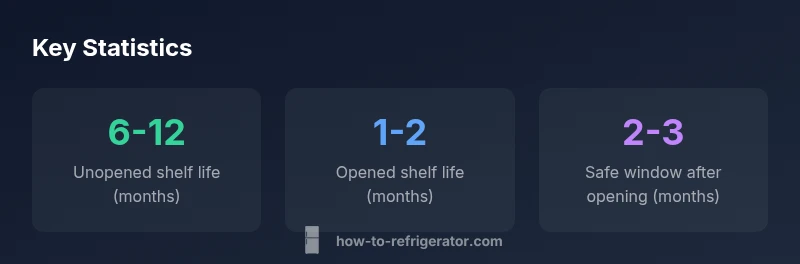
Opened or unopened, pickles lose best quality over time. In the refrigerator, unopened jars typically maintain quality for about 6-12 months, while opened jars are best within 1-2 months and should be refrigerated tightly to preserve flavor. After that, quality declines and the risk of spoilage rises, though pickles may remain safe longer if consistently cold and the jar kept sealed. For homeowners, use your senses to judge.
Understanding pickle preservation basics
Pickles are cucumbers preserved in brine or vinegar, typically with high acidity and salt that slow bacterial growth. This combination extends shelf life, especially when the product is kept cold. In a home refrigerator, temperature stability is more important than the jar type. According to How To Refrigerator, the key factors are whether the jar is unopened, whether it has been opened, and how consistently the container remains sealed and submerged in brine. For safety, keep jars away from the door where temperatures fluctuate most; the goal is a steady, fridge-cold environment around 35-40°F (1.6-4.4°C). Quality, not safety, often declines first as flavors mellow and textures soften. The brine’s acidity, the presence of garlic or spices, and even the container’s seal can influence how long a pickle retains crunch and brightness. With this context, you can translate general shelf-life guidelines into a practical, homeowner-friendly plan for your kitchen.
Unopened pickles in the fridge: what to expect
Unopened jars are designed for long, steady storage, but their actual shelf life depends on the product type and packaging. In most conventional pickle jars kept consistently refrigerated, you can expect best quality for roughly 6-12 months from purchase, as long as the seal remains intact and the jar remains unopened. This is a quality guideline rather than a safety deadline; pickles are acidic and tend to resist quick spoilage, but over time flavors will fade and texture may soften. If you notice cloudy brine, off odors, or changes in color, set the jar aside and inspect for signs of spoilage. Always check the “best by” or “use by” date on the label, but remember that dates are estimates of quality, not hard safety cutoffs. For most households, rotating older jars into quicker-use meals helps maintain optimal flavor while reducing waste.
Opened pickles: best practices for refrigeration
Once you crack open a pickle jar, exposure to air starts to alter the environment. Keep the pickles submerged in brine or vinegar, and ensure the jar is sealed tightly after each use. In practice, opened jars are typically at their best within 1-2 months of opening when refrigerated consistently around 35-40°F. After the 2-month window, you may still safely consume pickles for another month or so, but flavor and texture will increasingly lag behind. Make sure utensils are clean and never double-dip into the jar, which can introduce contaminants. If you use the refrigerator door for storage, the fluctuating temperature can hasten quality loss, so keep the jar toward the back of the shelf where temperatures are more stable.
Homemade vs. store-bought: how differences affect shelf life
Homemade pickles made with basic brine can be wonderfully bright but may lack commercial preservatives, so their shelf life in the fridge can be shorter than store-bought varieties. In general, homemade pickles stored in a sealed jar at refrigeration temperature retain best quality for about 1-2 months, with safety extending to roughly 2-3 months under optimal conditions. Store-bought varieties, particularly those fermented or brined with stabilized recipes, often hold up a bit longer in the fridge when unopened and after opening if kept sealed and clean. Regardless of origin, always inspect for gas buildup (bulging lid), unusual odors, or mold, and discard if you notice any of these signs.
How temperature and container affect longevity
Temperature stability matters more than the container type. A steady 34-40°F range minimizes texture changes and sap loss, while warmer pockets in the door or near the light can accelerate deterioration. Glass jars with tight seals help preserve brine integrity, but plastic containers can absorb odors and become leaky over time. Keeping pickles fully submerged in the brine slows mold growth and helps maintain crunch. If you transfer pickles to a different container, ensure it is clean and food-grade; any residual soap or detergent can impart off flavors. Finally, avoid contamination by always using clean utensils and never returning used brine to freshly opened jars.
Signs of spoilage and when to discard
Even in the fridge, spoiled pickles can develop an off odor, a change in brine clarity, or visible mold. Cloudiness, a sour or rancid smell, and a soft or discolored texture are reliable warning signs that it’s time to discard. If the jar shows a compromised seal, if the lid is bulging, or if you notice gas or unusual fizzing when opening, discard immediately. When in doubt, err on the side of safety. Because pickles are preserved in brine with salt and acid, they tend to resist quick spoilage, but that does not eliminate the risk entirely.
Practical tips to maximize shelf life
To get the most from your pickles, follow these practical steps:
- Store unopened jars in a cool, dark place until you’re ready to refrigerate (if the packaging requires it).
- Refrigerate immediately after opening and keep the jar sealed at all times.
- Submerge the cucumbers completely in the brine; add a little more brine if necessary to maintain coverage.
- Use clean utensils every time you remove pickles; avoid contact with other foods that could introduce contaminants.
- If you’re concerned about waste, label jars with the date opened and plan consumption around the 1-2 month window.
- Consider keeping a small glass jar or a new, clean container for batches that will be consumed quickly.
Common questions about pickle safety
Do pickles need refrigeration? Store-bought picks should be refrigerated after purchase; opened jars must be refrigerated. If you notice an off odor, color change, or signs of mold, discard the jar to be safe. When in doubt, rely on your senses and the guidelines above to decide whether the pickle jar is still suitable for consumption.
Quick-start checklist for your pickle jars
- Verify unopened seals before storing; return any damaged jars to the store.
- Refrigerate immediately after opening and keep the lid tight.
- Keep jars away from the fridge door to minimize temperature fluctuations.
- Use clean utensils and avoid double-dipping to prevent contamination.
- Label opened jars with the date and plan usage around the 1-2 month window.
Shelf-life snapshot for pickle jars in the refrigerator
| Condition | Typical Shelf Life (refrigerated) | Notes |
|---|---|---|
| Unopened jar | 6-12 months | Keep sealed; check seal before use |
| Opened jar | 1-2 months | Best quality; up to 3 months possible with strict refrigeration |
FAQ
How long do opened pickles last in the fridge?
Opened pickles typically last 1-2 months for best quality; you may find them safe a bit longer, up to 3 months, if the jar remains sealed and refrigerated. Watch for off odors, cloudy brine, or mold and discard if signs appear.
Open pickles stay best for about 1-2 months in the fridge; you can use them up to around 3 months if they stay sealed and cooled. If you notice bad smells or mold, discard.
Do pickles go bad in the fridge?
Yes. Pickles can spoil if they are not kept cold, if the seal is broken, or if mold or off odors appear. Refrigeration slows spoilage, but signs of spoilage should prompt disposal.
Yes, they can spoil if not kept cold or if the seal is broken. Look for mold, off smells, or unusual texture and discard.
Are homemade pickles better or worse for shelf life than store-bought?
Homemade pickles often have a shorter fridge life because they may lack commercial preservatives. They typically stay best for 1-2 months with a safety window up to 2-3 months if stored properly.
Homemade pickles usually don’t last as long as store-bought ones; plan for about 1-2 months, and up to 2-3 months if kept sealed and cooled.
Should pickles be refrigerated before opening?
Store-bought pickles should be refrigerated after purchase. If they’re sold in a refrigerated section, keep them cold; otherwise follow label directions.
Keep them cold after you buy them. If the label says refrigerate, do it.
How can I maximize pickle shelf life?
Store unopened jars in a cool, dark place until opened, then refrigerate. Keep pickles submerged and use clean utensils. Label opened jars with the date and consume within 1-2 months for best quality.
Keep them in a cool, dark place until you open them, then refrigerate and keep the brine covered.
Can I freeze pickles to extend shelf life?
Freezing is not recommended for traditional pickles, as texture changes significantly. Flavor may remain, but the crunchy texture is usually lost.
Freezing pickle jars isn’t recommended because texture changes a lot.
“Consistency in refrigeration and proper sealing are the best defenses against spoilage for pickles.”
Top Takeaways
- Open jars lose quality within 1-2 months.
- Unopened jars sustain best quality for 6-12 months.
- Keep pickles fully submerged and sealed to maximize life.
- Discard if you see spoilage signs or a compromised seal.
- Use the date opened as a planning cue to minimize waste.