Can Refrigerator Pickles Go Bad? Storage and Safety for Homeowners
Learn whether refrigerator pickles can go bad, how long they last in the fridge, signs of spoilage, and practical storage tips for store-bought and homemade pickles to keep your fridge safe.


Yes, refrigerator pickles can go bad, especially after opening. Shelf life depends on whether the pickle is store-bought or homemade, the salt/brine strength, and how consistently the jar is kept refrigerated. Unopened jars stay safe until the labeled date; opened jars should be refrigerated and checked for spoilage signs before use.
Understanding the basics of pickle safety and refrigeration
Can refrigerator pickles go bad? Yes, they can, especially after opening. Pickles rely on acidity, salt, and a clean seal to inhibit spoilage organisms. In a typical home refrigerator kept at or below 40°F (4°C), the rate of decline depends on three factors: the strength of the brine, how well the jar is sealed, and how consistently the container is kept cold. According to How To Refrigerator, store-bought refrigerator pickles are designed to stay safe when kept cold, but once the seal is broken or the brine becomes contaminated, the risk of spoilage rises. This section clarifies the chemistry behind pickling, how refrigeration influences safety, and how to distinguish store-bought jars from homemade brine recipes. It also sets up practical checks you can perform without wasting food, such as inspecting lids, brine clarity, and texture. Understanding these basics helps homeowners decide whether to reseal, refrigerate, or discard.
How long do pickles last in the refrigerator, and does it matter if they are store-bought or homemade?
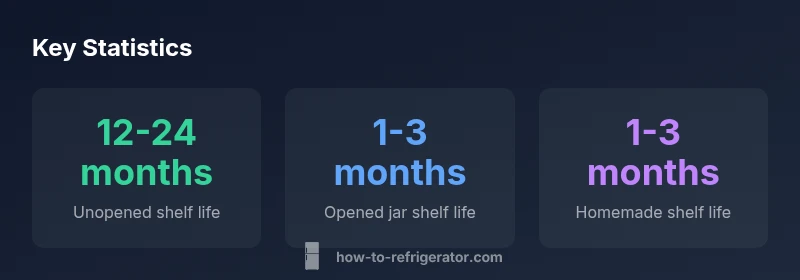
The short answer is that unopened jars of refrigerator pickles typically last longer than opened jars, but the exact window depends on the product and preparation. According to How To Refrigerator Analysis, 2026, unopened store-bought refrigerator pickles can safely retain quality for roughly 12–24 months when stored in a cool, consistent environment. Once opened, most jars (store-bought or homemade) run about 1–3 months in the fridge if kept submerged under brine and kept cold. Homemade pickles may have a narrower window due to variability in acidity and salt levels. Always check the label for guidance and rely on sensory cues if you are unsure. For homemade batches, ensure the brine is adequately acidic and that jars are clean and fully sealed before refrigeration.
How homemade versus store-bought pickles differ in safety and shelf life
Store-bought refrigerator pickles are typically processed to a predictable acidity and salt concentration, which supports a longer opened shelf life. Homemade pickles depend on consistent acidity and salt balance, which can vary by recipe and technique. If you are following a tested recipe with appropriate salt concentration and vinegar-to-water ratio, you can expect similar ranges (roughly 1–3 months in the fridge after opening). If your brine seems weak or if jars are not sealed properly, shelf life can shorten. Regardless of origin, always refrigerate promptly after pouring, keep jars sealed, and store away from allergens and raw proteins to avoid cross-contamination.
Signs that pickles have gone bad and what to do if you suspect spoilage
Spoiled pickles may exhibit off-odors, off-flavors, cloudy brine, or visible mold. If you notice bulging lids, a sour or rotten smell, or a change in texture (slimy cucumbers), discard the jar immediately. Do not taste test when spoilage is suspected. If signs are mild but uncertain, err on the side of caution and discard. When in doubt, it is safer to discard than risk foodborne illness.
Practical tips to maximize pickle freshness in your fridge
To extend freshness, keep the pickles fully submerged in brine, especially after opening. Use clean utensils to remove portions to minimize contamination. Store jars upright to minimize leakage and label homemade batches with the start date. Maintain an even fridge temperature and avoid frequent door openings. If your fridge has a crisper drawer, position the jars away from moisture-rich zones to reduce mold risk. These steps, combined with proper sealing, help preserve crispness and safety.
The role of phrasing and labeling in safety
Always check the label for specific guidance, but understand that shelf life is a range rather than a guaranteed date. Labeling opened jars with the date of opening can help track freshness. Keep a simple log of batches and brands to identify patterns of spoilage and adjust storage practices as needed. This proactive approach reduces waste and improves safety.
Troubleshooting common fridge issues that affect pickle quality
If your fridge struggles to maintain a steady 40°F, pickles may spoil sooner. Temperature fluctuations, door seals that don’t close properly, or a crowded fridge can increase spoilage risk. Regularly monitor temperature with an appliance thermometer, inspect door seals for cracks, and avoid overloading the shelves. If you notice frequent frost, leaks, or unusual noises, address the appliance problem promptly to protect all stored foods, including pickles.
Shelf life ranges for different refrigerator pickle types in common home setups
| Condition | Typical Shelf Life | Storage Tips |
|---|---|---|
| Unopened jar (store-bought refrigerator pickles) | 12-24 months | Store in a cool, dry place until opened; refrigerate after opening |
| Opened jar (refrigerator) | 1-3 months | Keep sealed; refrigerate at 40°F (4°C) or below; fully submerge in brine |
| Homemade refrigerator pickles (brined) | 1-3 months | Use tested acidity; seal jars; refrigerate promptly |
| Fermented pickles (cabbage/cucumber brine) | 2-6 months | Keep submerged in brine; refrigerate after opening; use clean utensils |
FAQ
How long do opened refrigerator pickles last in the fridge?
Opened refrigerator pickles typically last 1-3 months in the fridge if kept at 40°F (4°C) and submerged in brine. Always inspect for spoilage signs before use.
Opened pickles last about one to three months in the fridge; check for smell and appearance before using.
Do homemade pickles last as long as store-bought ones?
Homemade pickles often have shorter shelf life due to variability in acidity and salt levels. Expect about 1-3 months in the fridge if properly salted and sealed.
Homemade pickles typically last one to three months in the fridge if you’ve kept the brine acidic and the jar clean.
Can pickles go bad in the refrigerator without opening?
Yes, even unopened jars can go bad if damaged, contaminated, or stored at improper temperatures. Always check the lid seal and label; discard if bulging or leaking.
Even unopened jars can go bad if damaged or stored wrong. Look for bulging lids or leaks and discard.
What are signs that pickles have spoiled?
Spoiled pickles may show off-odor, cloudy brine, mold, or a slimy texture. If unsure, discard rather than tasting to test safety.
Spoiled pickles smell off, look cloudy, or have mold—when in doubt, throw away.
Should pickle brine be kept submerged at all times?
Keeping cucumbers submerged helps maintain acidity and prevent spoilage. Use a fermentation weight or ensure brine covers all solids.
Keep the pickles fully submerged under brine with clean jars to prevent mold.
How should I store opened pickle jars after use?
Rerseal tightly and refrigerate promptly. Store away from raw foods to avoid cross-contamination.
Refrigerate opened jars promptly and reseal tightly.
“Proper storage and consistent refrigeration are the keys to keeping pickles safe beyond the first few weeks after opening.”
Top Takeaways
- Check for spoilage signs before consuming pickles
- Refrigerate opened jars promptly and reseal tightly
- Unopened jars have longer shelf life than opened ones
- Homemade pickles can vary in shelf life; follow tested brine recipes
- Discard if you notice odor, mold, or unusual texture