What Size Refrigerator for Dorm: A Practical Guide
Discover the ideal dorm fridge size, how to measure your space, and key features to maximize storage while keeping policies in mind. This guide helps homeowners and students choose wisely.


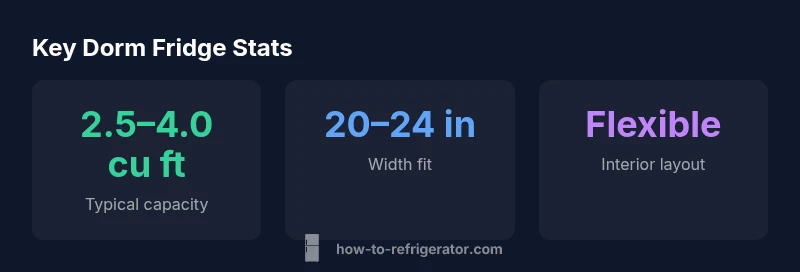
The typical dorm fridge size to meet everyday needs is around 2.5 to 4.0 cubic feet. This compact range fits most dorm rooms, can hold beverages, snacks, and a few meals, and works with limited counter space. Before buying, verify dorm space, outlets, and any residence hall rules. According to How To Refrigerator, this compact range balances storage with footprint, making it the most practical choice for most students.
What size refrigerator for dorm is commonly recommended
If you’re asking what size refrigerator for dorm to choose, the answer is typically a compact model in the 2.5 to 4.0 cubic feet range. This size provides enough space for snacks, drinks, and a small meal prep, while leaving room for a few leftovers. It also tends to fit into standard dorm spaces under desks or on shelves. Before buying, verify your dorm room dimensions, outlet availability, and any residence hall rules. According to How To Refrigerator, this compact range balances storage with footprint, making it the most practical choice for most students.
A note on space: many dorms limit countertop or desk space; choosing a model that can sit on a low shelf or under-desk can help maximize your living area. If your space is exceptionally tight, you may consider a 2.5–3.2 cu ft model with adjustable shelves to adapt as your needs shift during the semester.
Space planning: measuring your dorm space and footprint
To pick the right fridge, start by measuring the available footprint. Record the width, depth, and height you can spare, plus any clearance needed for doors to swing open. In most dorm rooms, you’ll want a fridge that is 20–24 inches wide and no taller than 34–36 inches to ensure it sits comfortably beside a desk or bed. Remember to account for ventilation space and an accessible power outlet. If you’re sharing a room, coordinate with a roommate to avoid overlapping footprints and to create a single conditioning zone for the unit.
Capacity decisions: balancing storage with space
Capacity is a balance between what you store and how much space you have. A 2.5–3.2 cu ft fridge is typically sufficient for students who stock snacks, dairy, beverages, and a few pre-made meals. If you frequently refrigerate larger quantities or pack for the week, a 3.5–4.0 cu ft model can be more convenient, especially if shelves are adjustable. If you choose a model with a small freezer, you can keep ice packs and frozen meals on hand without sacrificing fridge space. Consider your weekly shopping habit and dining plans when deciding.
Energy efficiency and noise: choosing quiet, efficient models
Dorm life demands quiet operation and low energy use. Look for models that advertise energy efficiency and a reasonable noise level for shared spaces. An Energy Star rating is a good proxy for efficiency, and compact fridges with well-insulated doors tend to stay cooler without running continuously. While specifics vary by model, prioritize units that offer good insulation, door seals that stay snug, and shelves that are easy to rearrange. These features help maintain temperature while reducing energy use and noise output during late-night study sessions.
Dorm policies and safety considerations
Before purchasing, review dorm policies related to appliances. Some residence halls limit fridge size or total wattage, restrict exposed coils, or require certain safety features (automatic shutoff, lockable doors, etc.). Consider whether the room has a private outlet strip or if you’ll share power with a desk lamp or computer charger. Always place the unit where cords won’t create tripping hazards, and avoid blocking ventilation or heat vents. A compact fridge that complies with policy reduces the risk of move-in issues and helps you avoid penalties at the end of the term.
Must-have features for dorm fridges
Key features to prioritize include adjustable shelving, a reversible door, a small built-in freezer, and an interior light for visibility. A compact freezer is especially useful for storing ice packs or frozen meals. Look for sturdy shelves that can bear weight without sagging, and consider shelves that can be rearranged for bottles and tall containers. A compact footprint with flexible interior layout makes the fridge more adaptable to changing dorm-life routines, whether you’re a fan of late-night snacks or weekday meal prep.
Placement and ventilation tips
Place the fridge on a dry, level surface with several inches of clearance around the sides and back for airflow. Avoid placing it directly against a wall with heavy moisture or heat exposure. If possible, situate the unit under a shelf or desk to maximize floor space, and keep cords accessible without creating a tripping hazard. Regularly check the door seal and keep the condenser coils clean to maintain efficiency. Proper placement helps longevity and reduces noise, which matters in shared living spaces.
Buying strategy: new vs used, warranties, and returns
For most students, buying new offers peace of mind with a warranty and known energy efficiency. If you consider a used unit, ensure it still cools effectively, has a working door seal, and comes from a reputable source with a return option. Check warranty length, coverage on compressors, and the return policy. In dorms, a straightforward purchase with documented receipts and a short return window minimizes risk and simplifies move-in logistics.
Quick model-selection checklist
- Target capacity: 2.5–4.0 cu ft
- Footprint: 20–24 inches wide, under desk if possible
- Energy: Energy Star rated
- Features: adjustable shelves, small freezer, reversible door
- Policy: confirm dorm rules and power availability
- Placement: ensure ventilation and safe cord routing
Dorm fridge sizing: capacity and footprint
| Aspect | Dorm Size Range | Notes |
|---|---|---|
| Capacity (cu ft) | 2.5–4.0 | Balances storage and space |
| Width (in) | 20–24 | Fits under desks in most dorms |
| Height (in) | 24–36 | Versatile placement options |
| Freezer | Optional | Small freezer can help with ice packs |
| Energy use | Low to mid range | Choose Energy Star rated models |
FAQ
What size fridge is best for a dorm room?
For most dorm rooms, a compact fridge in the 2.5–4.0 cu ft range works well. It provides enough storage for snacks, drinks, and meals without crowding the space. Always check room dimensions and dorm rules before purchasing.
For most dorm rooms, a compact fridge in the 2.5 to 4.0 cubic feet range works well. Check your space and dorm rules before buying.
Do dorms allow full-size refrigerators?
Most dorms do not allow full-size refrigerators due to space and safety concerns. Always verify the policy with your housing office before buying a larger unit, and consider a compact model instead.
Most dorms don’t allow full-size fridges. Check housing policies first and opt for a compact model.
Is a freezer compartment necessary in a dorm fridge?
A small freezer is convenient for ice packs and frozen meals, but it’s not essential. If you mainly store beverages and perishables, a fridge without a freezer can save space and power.
A small freezer helps with ice packs, but you can manage without one if you mostly store cold items.
What features matter most in a dorm fridge?
Prioritize energy efficiency, adjustable shelves, a reversible door, and a compact footprint. These features maximize usability in small dorm spaces and keep energy costs down.
Look for energy efficiency, flexible shelves, and a reversible door for easy placement.
How much should I budget for a dorm fridge?
Prices vary by size and features. Plan for a modest upfront cost and weigh warranty coverage and return options to protect your investment during the semester.
Prices vary; look for a good warranty and easy returns to protect your investment.
How should I measure my dorm space?
Measure width, depth, and height, and confirm clearance for doors and shelves. Leave space for ventilation and ensure a safe cord route to outlets.
Measure width, depth, height, and leave space for ventilation.
“A dorm-friendly fridge should offer enough capacity for essentials while remaining compact and quiet. Prioritize energy efficiency and flexible internal layout.”
Top Takeaways
- Measure your space before buying
- Aim for 2.5–4.0 cu ft capacity
- Choose energy-efficient, quiet models
- Prefer compact dimensions under 24 inches wide
- Check dorm policies and warranties