Wine Cooler Fridge: Repair, Setup, and Maintenance for Homeowners
A practical guide for homeowners to select, install, troubleshoot, and maintain a wine cooler fridge, ensuring optimal temperature, humidity, and energy efficiency for your wine collection.


With this guide, you will learn how to select, install, troubleshoot, and maintain a wine cooler fridge to protect your wine collection. You’ll understand key specs like temperature zones, humidity, and airflow, and gain a practical, step-by-step approach to basic repairs and preventive care. By following pro tips, you can extend the life of your unit while reducing energy use and noise.
What makes a wine cooler fridge different from a standard refrigerator
A wine cooler fridge is a temperature-controlled cabinet designed to store wine bottles at stable temperatures and humidity. Unlike regular kitchen refrigerators that focus on fresh foods, wine coolers optimize for aging potential, with narrower temperature ranges, multiple zones, UV-protected or tinted glass, and shelves sized for bottles rather than grocery stacks. They are often bottom- or front-vented, allowing built-in installation or freestanding use. The most reliable units minimize temperature fluctuations and vibration, which helps preserve flavor and aroma. When selecting a unit, consider capacity, rack layout, door swing, and door seals. The How To Refrigerator team emphasizes that proper placement and ventilation are essential for consistent performance. The result is a cabinet that keeps red and white wines at their ideal temps with controlled humidity, reducing premature aging or flavor changes. For homeowners, understanding these differences helps you pick a model that suits your collection size, budget, and space. According to How To Refrigerator, the best outcomes come from choosing a model with good airflow, a stable temperature controller, and easy-to-clean interior.
Key features to look for when buying a wine cooler
When shopping, prioritize dual- or multi-zone configurations for flexibility, reliable temperature control, and shelves designed to minimize bottle disturbance. Look for a tight door seal, UV-protected glass, and internal lighting that’s gentle on wine. Energy efficiency matters—compare models with good insulation, low idle current, and smart controls that avoid excessive cycling. Noise level is practical too; quiet operation is especially important in open-plan homes. Consider the footprint, whether you want a freestanding unit or a built-in model, and how easy it is to access the racks. Finally, verify that the model supports the capacity you need for your collection and can be serviced locally if a repair is required.
The How To Refrigerator guidance emphasizes that choosing a model with easy access to the coils, a straightforward filter or drain maintenance routine, and readily available replacement parts improves long-term reliability.
Location, ventilation, and installation basics
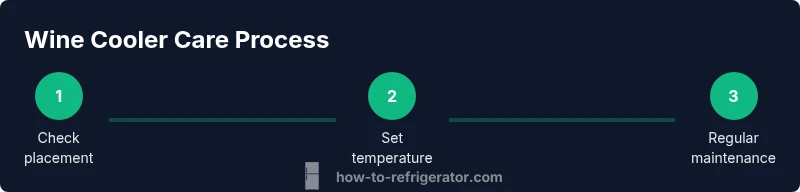
Placement affects performance and longevity. Keep the wine cooler away from heat sources, direct sunlight, and kitchens with poor ventilation. Leave space around the cabinet for airflow and service access, and use a level surface to prevent vibration. If the unit is built-in, ensure it is properly framed and that the front venting clearance is respected per the manufacturer’s specs. A dedicated outlet helps prevent nuisance tripping and electrical noise that can impact the compressor. When you plug in for the first time, run the unit empty for several hours to allow it to stabilize before loading bottles. These steps, recommended by the How To Refrigerator team, help ensure the cabinet cools evenly and reduces temperature fluctuation in the shelves.
For homeowners, following a clear placement and ventilation plan reduces maintenance needs and improves energy efficiency over time.
Temperature zones and humidity: how to set for red vs white wine
Wine storage quality depends on stable temperatures and appropriate humidity. Most wine coolers offer at least one temperature zone, and many provide two or more for different types of wine. Set each zone to the recommended range for the wine style you store, and avoid frequent changes that can cause temperature shocks. Humidity control helps prevent corks from drying out, which could lead to oxidation. If your unit lacks humidity controls, supplement with proper bottle positioning and avoid overloading shelves that impede airflow. The goal is consistent cooling without cold spots or rapid cycling, which the How To Refrigerator team highlights as essential for preserving aroma and flavor.
Sizing, space planning, and practical measurements
Start by measuring the width, height, and depth of the intended space, and compare with the appliance’s external dimensions plus ventilation clearance. For built-in installations, respect the manufacturer’s front-vent clearance; for freestanding units, ensure there is a distance to walls to allow airflow. Consider the bottle format you typically store (standard Bordeaux vs tall Burgundy) and the rack layout when estimating capacity. If you have a growing collection, choose a unit with adjustable shelves and reliable door clearance. Also think about accessibility: can you easily reach bottles without unbalancing others on the rack? Planning this upfront saves you reorganizing later.
Routine maintenance and simple fixes you can do
Create a simple weekly routine: wipe down shelves with a mild detergent and dry thoroughly, check gaskets for cracks or dryness, and listen for unusual noises that might indicate a fan or compressor issue. Keep the condenser coils clean—dust buildup reduces efficiency and increases running costs. Replace door seals promptly if you notice air leaks. For minor electrical glitches, unplug the unit, wait a minute, then plug back in to reset the controller. Regular inspection and gentle cleaning help prevent more serious problems and extend the life of your wine cooler.
Troubleshooting: when to call a professional
If the unit fails to cool, or if you detect persistent frost, inconsistent temperatures, or water pooling inside, it’s time to seek a professional repair service. Do not attempt refrigerant work yourself; this requires licensed technicians. If you notice buzzing or persistent noise that doesn’t subside after checking the vent and floor level, a technician can diagnose possible compressor or fan issues. Early professional assessment can prevent further damage and protect your wine collection.
Energy efficiency and long-term running costs
Efficient wine coolers save energy by minimizing compressor cycles, improving insulation, and using LEDs instead of hot incandescent lighting. Keep the unit full or load it with evenly distributed weight to maintain stable airflow. Avoid placing the cabinet in areas with temperature swings, and ensure you maintain a consistent ambient room temperature. When upgrading, compare Energy Star rated models and check the energy usage per year, as smaller units often have lower overall energy use when fully utilized. Regular maintenance further helps maintain efficiency over time.
Quick-start checklist for new wine collectors
- Determine available space and ventilation; choose built-in or freestanding accordingly.
- Decide on single-zone vs multi-zone options based on wine types.
- Measure and verify door swing, clearance, and bottle rack configuration.
- Install on a dedicated outlet and level the cabinet.
- Load bottles and set appropriate zones; run for a few hours to stabilize temperature.
- Create a simple maintenance routine for ongoing care.
Tools & Materials
- Phillips head screwdriver(Medium size #2, for adjusting shelves and screws)
- Flathead screwdriver(For panel access and small terminals)
- Multimeter(Only if testing electrical components)
- Thermometer or fridge thermometer(Place inside to monitor temps)
- Soft microfiber cloth(For cleaning shelves and gaskets)
- Mild dish soap and water(Gentle cleaning solution)
- Level(Ensure cabinet sits evenly)
- Vacuum brush or can of compressed air(Clean coils without disassembly)
Steps
Estimated time: 60-90 minutes
- 1
Unbox and inspect
Carefully remove the wine cooler from its packaging. Check for dents, loose shelves, or missing parts. If you see any damage, document it and contact the retailer before setup. This ensures you have the correct warranty coverage and avoids surprises after installation.
Tip: Take photos of any packaging damage for warranty claims. - 2
Choose a proper location
Place the unit on a flat, stable surface away from heat sources and direct sunlight. Leave at least a few inches of clearance on all sides to allow airflow. If installing under a counter, confirm that the cabinet is designed for under-counter use and follow the manufacturer’s ventilation guidance.
Tip: Avoid placing next to the oven or dishwasher where heat can affect performance. - 3
Level and connect
Use a level to confirm the cabinet is plumb. Adjust feet or shims as needed to eliminate rocking. If your unit has a drain or ice maker, ensure all connections are secure and leak-free before powering on.
Tip: A level cabinet reduces door misalignment and energy waste from poor seal. - 4
Set initial temperature zones
Power on and set the primary temperature zone to the recommended range for your wine types, then add any secondary zones if available. Verify that fans operate and air moves freely between shelves.
Tip: Avoid extreme temperature changes during first 24 hours to prevent shock to the cooling system. - 5
Load bottles and test run
Load bottles evenly and close the door. Let the unit run for 6–12 hours to stabilize before doing a temperature check. Use a thermometer to confirm zones are within the expected range and adjust as needed.
Tip: Distribute weight evenly to maintain consistent airflow. - 6
Schedule ongoing maintenance
Create a simple maintenance schedule: clean shelves weekly, inspect gaskets monthly, and check for frost buildup quarterly. Address any irregularities early to avoid larger repairs.
Tip: Set reminder alerts on your phone to stay consistent.
FAQ
What is a wine cooler fridge and how is it different from a standard fridge?
A wine cooler fridge is designed to maintain stable temperatures and humidity for wine storage, often featuring multiple zones and bottle-friendly shelves. Regular fridges prioritize food storage and may not provide precise humidity control or low-vibration operation.
A wine cooler is built for wine storage, with special zones and humidity control, unlike a standard kitchen fridge.
How do I choose the right size for my space?
Measure the intended space for width, height, and depth, and compare these to the unit’s external dimensions plus ventilation clearance. Consider bottle format and rack layout to ensure the unit fits and remains accessible.
Measure carefully and check clearance for ventilation and bottle access.
Can I install a wine cooler under a counter?
Yes, many wine coolers are rated for built-in installation under counters, but you must follow the manufacturer’s ventilation requirements and ensure proper clearance. Built-in units often have front vents that require space for airflow.
Many models can fit under a counter if ventilation and clearance specs are followed.
What maintenance is essential for reliable operation?
Regular cleaning of shelves, gasket inspection, coil cleaning, and checking for frost buildup are key. Replace any worn door seals promptly and avoid overloading shelves that hinder airflow.
Clean shelves, check gaskets, and keep coils clean for best performance.
Why does my wine cooler make noises?
Buzzing or humming can be normal when the compressor or fan runs, but persistent or unusual noises may indicate a fault. Check for loose components, ensure the unit is level, and call a technician if noises persist.
Some noise is normal, but persistent sounds may mean a component needs service.
Is it safe to store wine in a regular kitchen fridge?
Regular fridges can store wine temporarily, but they lack stable humidity and vibration control. For aging and long-term storage, a wine cooler with dedicated zones provides better preservation.
A regular fridge isn’t ideal for long-term wine aging; a wine cooler is better.
Watch Video
Top Takeaways
- Choose correct zone configuration for your collection
- Place unit with proper ventilation and level feet
- Load bottles evenly for consistent airflow
- Establish a simple maintenance routine to extend life
- Know when to call a professional for repairs