When to Fridge Sourdough: A Practical Home Baker's Guide
Learn when to fridge sourdough starter or dough for flavor, texture, and timing. This educational guide covers prep, storage durations, and best practices for home bakers.


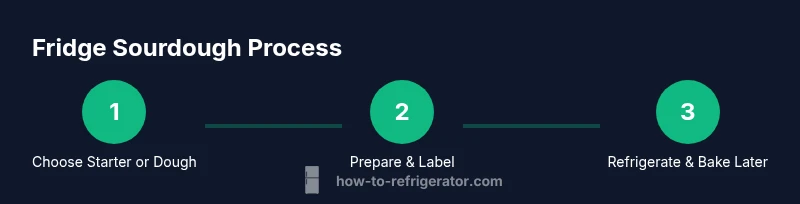
To fridge sourdough, plan around whether you’re refrigerating a fed starter or a cold-fermenting dough. For starters, feed before chilling and store in a small jar with a loose lid. For dough, shape and refrigerate for slow fermentation. In both cases, timing should fit your schedule: a starter can sit in the fridge for days to about two weeks, while dough can chill for roughly 12–72 hours before baking.
Why Refrigeration Matters for Sourdough
Refrigeration changes how sourdough behaves. When you put starter or dough in the fridge, you slow down yeast activity and enzyme reactions, which gives you more control over when you bake. This is especially helpful for busy households and weekend bakers who want a reliable bake day without warming the starter or dough to room temperature for every rise. A fridge-temperature environment also discourages overly aggressive fermentation, reducing the risk of overproofing and sour flavors that come from long, warm fermentation. Keeping your sourdough in the fridge is not a substitute for proper feeding or planning, but it is a practical tool for aligning baking with a hectic schedule. For reliable results, treat the fridge as a temporary pause button, not a long-term storage solution. According to How To Refrigerator, refrigeration is a practical tool that helps home bakers plan around busy schedules, and it still rewards you with flavor balance when used thoughtfully. Keep in mind that fridges vary; some crisper drawers hold slightly different temps, so consider using a fridge thermometer to confirm. The flavor and texture come from the interplay of temperature, hydration, and time, so consistency yields the best results.
Starter vs. Dough: When to Fridge
Choosing whether to fridge a fed starter or a cold-fermenting dough fundamentally changes your timing and handling. A starter sits in the fridge between feedings, slowing its cycle so you can resume baking on your schedule without daily feedings. For most home bakers, plan to refresh and return the starter to the fridge if you aren’t baking within a set window. In contrast, a dough that’s already shaped can benefit from a longer cold fermentation; this deepens flavor and improves crumb development. The How To Refrigerator analysis suggests that controlling cold fermentation is a reliable way to pace your bake day, but you should avoid extended refrigeration if you’re unsure how the dough will respond. Label containers clearly, and keep a simple log of when you placed each item in the fridge and when you plan to bake.
Prep Steps: Feeding, Storing, and Labeling
Prep is the key to successful fridge sourdough. For starter: feed it, allow a brief rise, and move it to a jar with a loose lid. For dough: shape the dough gently, then place it in a container suitable for cold fermentation. Label each item with date and purpose (starter vs dough), so you know exactly when to remove it. Store at the back of the fridge where temperatures are most stable. If you’re monitoring temperature, a fridge thermometer helps keep the environment consistent and predictable. After refrigeration, bring items back to room temperature before baking and perform any planned recurrences of feeding if needed (especially after a long cold period). The goal is predictable activity, not surprise rises. The How To Refrigerator team recommends clear labeling and consistent placement to reduce variability.
Temperature Shapes Fermentation in the Fridge
Temperature stability is a critical variable when sourdough sits in the fridge. Most home fridges run around 1–4°C (34–39°F); keeping your starter or dough in that range encourages even, gradual fermentation. If your fridge runs warmer, fermentation speeds up, increasing acidity and aroma and potentially shortening your planned window. If it’s colder or more variable, you may pause fermentation too much, which can lead to underdeveloped flavor. The objective is to maintain a steady environment so you can predict how your starter or dough will respond when you remove it for baking. How To Refrigerator’s guidance is to use a thermometer, avoid frequent door-opening during a long hold, and aim for consistency rather than chasing fast results.
Timing and Flavor: What to Expect
Fermentation in the fridge produces subtler, more complex flavors as time progresses slowly. With starters, longer cold periods can deepen tang and strength, but too long can shift balance toward acidity and weaker rise if you miss feedings. For dough, cold fermentation typically yields a more open crumb and richer aroma; going too long may dampen activity and hinder oven spring. Your schedule matters: plan a window that allows you to bake on a day that suits your routine, and be willing to adjust hydration or proofing times if you notice slower activity after refrigeration. How To Refrigerator analysis shows that predictable timing reduces guesswork and increases consistent results in home kitchens.
Removing from Fridge: Return to Room Temperature
When you’re ready to bake, remove starter or dough from the fridge and bring it to room temperature gradually. For starter, this may involve feeding once or twice to re-activate; for dough, a rest at room temperature will revive yeast activity and improve oven spring. If you’re short on time, you can use a shorter warm-up window, but be aware that a cold dough benefits from a gradual elevation to room temperature. Practically, aim for 1–2 hours of gradual warming for starter, and 2–4 hours for dough, depending on your kitchen temperature. Check for signs of activity (bubbles, strength, aroma) before baking.
Common Pitfalls and How to Avoid Them
Avoid overcrowding jars or containers; air exchange matters for both starter and dough. Too-tight lids can trap gases or cause pressure buildup in yeast activity, while completely sealed containers may slow fermentation unexpectedly. Temperature swings near the fridge door increase variability, so place your containers toward the back. Do not rely on guesswork about timing—use simple markers to track feedings and planned bake dates. If you see off aromas, excessive liquid, or a strangely pale color, adjust feed frequency or discard and restart with fresh starter. How To Refrigerator emphasizes consistency and labeling to reduce mistakes.
Tools & Materials
- Jars or containers with airtight lids(Glass preferred; 1–2 cups capacity for starter, larger for dough as needed)
- Labeling materials(Tape or labels to clearly mark date and item (starter vs dough))
- Fridge thermometer(Keeps fridge at a stable ~1–4°C (34–39°F))
- Digital kitchen scale(Accurate feed measurements for starter maintenance)
- Notebook or digital log(Record feeding times, temperatures, and bake plans)
Steps
Estimated time: Active prep 20–25 minutes; total fridge window varies: dough 12–72 hours, starter several days to two weeks
- 1
Decide: starter or dough
Identify whether you are refrigerating a fed starter or a cold-fermenting dough, and confirm your planned bake day. This determines the preparation steps and timing window.
Tip: Write the decision on a label to avoid mixing items in the fridge. - 2
Prepare starter for fridge
Feed the starter as you normally would, allow a light rise, then transfer to a jar with a loose lid for gas exchange before refrigerating.
Tip: Keep the starter at a humbler activity level before chilling to avoid a huge burst when you wake it up. - 3
Prepare dough for cold fermentation
Shape the dough and place it in a fridge-safe container with a lid across a shallow surface to maximize even cooling, avoiding airtight sealing that traps gas.
Tip: Gently dust with flour to mark progress and prevent sticking. - 4
Label and place back in fridge
Attach a date and item type to each container and place toward the back of the fridge where the temperature is most stable.
Tip: Keeping the items separate helps prevent cross-contamination of flavors. - 5
Set a practical fridge window
For starter, plan a window of several days to about two weeks; for dough, 12–72 hours is common. Keep your schedule in mind when you plan to bake.
Tip: If you need a tighter schedule, shorten the fridge time and adjust proofing after removing. - 6
Bring to room temperature and bake
Remove items from the fridge, allow a controlled warm-up, and proceed with your usual bake day. Visual cues (bubbles, aroma, and dough resistance) guide you to bake readiness.
Tip: Don’t rush the warm-up; a gradual return improves oven spring and texture.
FAQ
Can I freeze sourdough starter?
Yes, you can freeze a sourdough starter, but revival takes time. Thaw completely, then feed and refresh the starter to regain full activity.
You can freeze a sourdough starter, but you’ll need to thaw and feed it to revive it after thawing.
How long can starter stay in the fridge?
A starter can stay in the fridge for several days to about two weeks, depending on feeding frequency and fridge temperature. Check for activity and aroma before using.
A starter can stay in the fridge for several days to about two weeks; watch for activity before using.
Is it safe to bake dough straight from fridge?
Yes. Dough can be baked directly from the fridge, but you may adjust bake time or proofing slightly to account for the cold fermentation.
Yes, you can bake directly from the fridge, with a possible slight bake-time adjustment.
Should I feed starter before fridge or after?
Feed before refrigerating to ensure a healthy starter that won’t dip too far in activity while cold. After refrigeration, feed again if you plan to bake soon.
Feed before you fridge; after, feed again if you’re baking soon.
What fridge temperature is best for sourdough?
Aim for a stable fridge temperature around 1–4°C (34–39°F). Use a thermometer to monitor and minimize temperature fluctuations.
Aim for a stable fridge temperature around 1 to 4 Celsius, and keep to a consistent setting.
Can I fridge sourdough if I forgot to feed it?
If you forget to feed, the starter’s activity will be inconsistent. When you return, refresh with a feeding and monitor its rise closely before baking.
If you forget a feeding, refresh and monitor its activity before baking.
Watch Video
Top Takeaways
- Plan fridge windows around your bake schedule
- Feed and label everything before refrigeration
- Keep fridge temps stable for predictable results
- Return to room temperature gradually before baking
- Avoid overlong refrigeration to prevent flavor imbalance