Fridge Organization: Best Practices for Homeowners in 2026
Learn the best way to organize a fridge with zone-based storage, FIFO labeling, and practical setup tips. This guide helps homeowners keep produce fresh, reduce waste, and save energy.


To organize a fridge effectively, start by clearing shelves, remove expired items, and group leftovers by meal plan. Create three zones: cold fresh storage (meats, dairy), produce in crisp drawers, and door shelves for condiments. Use clear bins, label dates, and rotate stock using a FIFO system. A consistent layout saves energy and reduces waste.
The science behind fridge organization
A well-organized fridge is more than just neat shelves. It influences food safety, energy efficiency, and how often you restock. When items are stored in consistent zones, cold air circulates more predictably and you spend less energy maintaining temperatures. From a homeowner’s perspective, a clear, repeatable layout reduces spill risk and makes expiration monitoring straightforward. How To Refrigerator Team notes that a thoughtful setup can cut waste and keep perishables at safe temperatures. Start by emptying the fridge, cleaning surfaces, and taking stock of what you actually use. Record items that move quickly and those that linger. This baseline helps you design a system that fits your family’s routines and kitchen layout. The goal is to establish a predictable flow that you can maintain week after week.
Consistency matters: decide on zones, then replicate them on every shelf. For example, top shelves often remain cooler and are ideal for ready-to-eat foods, while bottom drawers stay slightly warmer and are best for produce in breathable containers. The door, though convenient, experiences more temperature fluctuations and should hold non-perishables or items with longer shelf-lives. By labeling zones and using clear storage, you’re less likely to forget leftovers or shove items toward the back where they spoil unnoticed. If you have young kids or busy mornings, a simple color code (green for produce, blue for dairy, red for meat) can help the whole family participate. Finally, set a regular habit—weekly or biweekly—of quick fridge checks to pull out expired items and reset the layout if your grocery list changes.
These practices align with general food-safety guidance and energy-saving tips for households. The How To Refrigerator team encourages homeowners to adopt a practical system that doesn’t require fancy gadgets, just clear containers, consistent labeling, and a plan you can stick to.
Zone-based placement: cold shelf, crisper, and door storage
Fridges have natural temperature gradients. The coldest air settles near the top and back of shelves, while crisper drawers maintain higher humidity for produce. The door shelves experience the most temperature fluctuation due to opening and closing. A practical approach is to keep ready-to-eat and dairy items on the upper shelves, raw meat and seafood in the lower portion (in a sealed bin to contain drips), produce in the crisper or bottom drawers, and condiments in the door. This arrangement reduces cross-contamination risks and helps you see what you have at a glance. To maximize visibility, use clear bins and stackable organizers so you can see every item without moving others. A simple labeling system—date the opened leftovers and note when you bought items—lets you rotate stock smoothly and minimizes waste.
Labeling and FIFO: how to rotate stock efficiently
Labeling and FIFO (first in, first out) are sometimes overlooked but are essential for reducing waste. As you stock your fridge, place newer items behind older ones in the same bin or shelf, so the older items are the first to be used. Use water-resistant labels or masking tape with a permanent marker to note the purchase date and a suggested consumption date. Clear bins make it obvious when you’re running low on staples like milk, yogurt, or sliced cheeses. A small dry-erase board or a dedicated app can track inventory week to week. When you finish a product, wipe the area clean and reposition the remaining items. This discipline not only cuts waste but also lowers the likelihood of forgotten leftovers turning into waste.
Storage solutions for different foods
Different foods benefit from different storage approaches. Produce often benefits from breathable containers or crisper drawers with humidity control. Dairy and eggs fare better on middle shelves with stable temperatures and minimal exposure to door fluctuations. Leftovers should be stored in clearly labeled, portioned containers to avoid repeated opening and closing of the same container. Condiments and sauces can live in the door or on a dedicated shelf to keep them easily accessible. Water, juice, and beverages can sit on the door or a dedicated beverage shelf, depending on your fridge layout. Consider using stackable, clear containers for sauces, dressings, and prepped ingredients so you can see contents at a glance and reduce overbuying. This section focuses on practical allocations that fit most family routines and kitchen configurations.
Layouts for different fridge types: tall, side-by-side, French door
Fridge layouts vary, but the core principles apply. For tall top-freezer models, maximize shelf height usage with adjustable bins and a dedicated fruit/vegetable drawer. Side-by-side units benefit from tall, slim bins along the doors for condiments and bottles, while the main fridge section can hold dairy, prepped meals, and leftovers. French-door models offer generous shelves, humidity-controlled crispers, and wide doors for bulk items; allocate produce to the crisper and keep tall items vertical to minimize rummaging. In all cases, assign a consistent zone map—one layout that you can replicate in future fridge replacements. This consistency reduces decision fatigue and keeps your meals flowing smoothly.
Cleaning, bins, and airflow: keeping order long-term
A clean fridge supports both safety and energy efficiency. Wipe spills immediately to prevent sticky shelves, and wash bins every couple of weeks to prevent odor buildup. Airflow matters—don’t block vents with stacks of containers. Use bins to group similar items (dairy, proteins, leftovers) and keep a running inventory so you don’t overstuff shelves. A quarterly wipe-down with a mild, food-safe cleaner restores freshness. Keep a short list of staples to avoid over-purchasing and to maintain a steady rotation. Finally, train household members to follow the zone map and lid-sealing practices to minimize leaks and spills.
Quick-start: a 30-minute reset plan
If you’re short on time, use this fast reset: 1) Empty the fridge and discard expired items. 2) Wipe all surfaces and dry thoroughly. 3) Create three zones with ready-to-eat, produce, and drinks; place raw proteins on the bottom shelf. 4) Install clear bins and label key items. 5) Return items in FIFO order and set reminders for weekly checks.
Common mistakes and how to avoid them
Common mistakes include overstuffing shelves, forgetting to rotate stock, storing produce in closed bags, and neglecting to wipe spills promptly. Avoid these by adopting a zone map, using clear containers, labeling dates, and routinely auditing items. Don’t underestimate the value of a quick weekly review; it prevents waste, saves money, and keeps your fridge running efficiently.
Tools & Materials
- Clear fridge storage bins(For dividing shelves and keeping items visible)
- Transparent stackable organizers(Lids help prevent spills and keep items contained)
- Label maker or waterproof labels(Date opened and use-by dates to enforce FIFO)
- Permanent marker and masking tape(Temporary labels for quick changes)
- Dry-erase inventory list or fridge app(Optional to track inventory in real time)
- Shelf liners(Facilitates cleaning and hygiene)
- Fridge thermometer(Helps monitor temperature consistency)
- Divider bins for dairy and meats(Keeps raw and ready-to-eat items separate)
Steps
Estimated time: 45-75 minutes
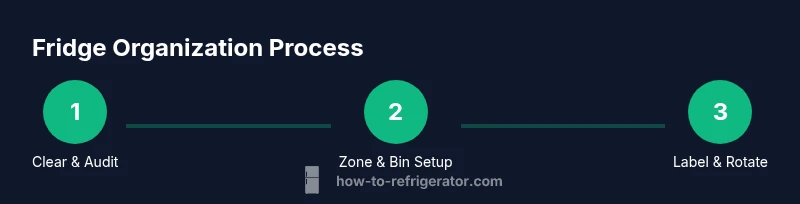
- 1
Clear and assess
Remove all items, discard expired foods, and wipe down shelves. Check for spills or leaks and note items you consistently reach for. This creates a clean slate to design zones that match your routine.
Tip: Take photos of your current layout to guide your new zone map. - 2
Group into zones
Designate three primary zones: ready-to-eat/dairy, produce, and beverages/condiments. Place items in their zones using clear bins to maintain visibility.
Tip: Keep a few frequently used items in easy reach for busy mornings. - 3
Label and rotate
Apply labels with purchase and opening dates. Reorder items in the back with older items in front to enforce FIFO.
Tip: Use color-coding to simplify food-safety decisions for all family members. - 4
Adjust for your fridge type
Adapt your zone map to fit tall, side-by-side, or French-door fridges. Reclaim shelf heights with adjustable dividers as needed.
Tip: Keep air vents clear; avoid stacking items too high. - 5
Implement a quick weekly check
Once a week, audit items, remove leftovers, and re-order as needed. This keeps the system fresh and prevents waste.
Tip: Set a calendar reminder to stay consistent. - 6
Maintain ongoing hygiene
Wipe spills promptly, wash bins, and replace liners as needed. A clean fridge supports safety and energy efficiency.
Tip: Use mild, food-safe cleaners and dry thoroughly.
FAQ
What is the most important factor in fridge organization?
Visibility and zones are foundational. When items are easy to see and grouped by function, you’ll use what you have before buying more and reduce waste.
Visibility and zones form the foundation of fridge organization, helping you use what you have and cut waste.
How often should I reorganize my fridge?
A quick weekly check to move things into their zones is usually enough. A full reorganization every 1-2 months helps when family routines change.
Weekly quick checks work well, with a full reset every one to two months as needed.
Can I use regular containers to organize?
Yes. Opt for clear, BPA-free containers and bins so you can see contents at a glance and maintain order.
Yes—use clear, safe containers so contents are easy to see and keep tidy.
Should produce go in the crisper?
Produce benefits from higher humidity and airflow; use the crisper for most fruits and vegetables whenever possible.
Yes, the crisper is best for most fruits and veggies to stay fresh.
How do I handle leftovers safely?
Label leftovers with the date and place them in clearly sized containers. Use FIFO and reheat to safe temperatures before eating.
Label leftovers and rotate them with FIFO, reheating as needed.
What if my fridge layout is very small?
Maximize vertical space with stackable bins and door organizers. Prioritize multi-use items and plan meals to reduce clutter.
In small fridges, stack bins and keep only what you actually use in reach.
Watch Video
Top Takeaways
- Establish three clear fridge zones for efficiency.
- Label and rotate items to minimize waste.
- Choose transparent bins to improve visibility and space use.
- Adapt the layout to your fridge type and routine.
- Maintain a quick weekly check to stay organized.