Red Bull Fridge: Setup, Maintenance, and Troubleshooting
Learn how to set up and maintain a dedicated redbull fridge for optimal beverage storage, temperature control, and easy access. Expert guidance from How To Refrigerator with practical steps, tips, and safety considerations.


This guide shows you how to set up and maintain a dedicated redbull fridge for energy drinks, ensuring safe storage, proper temperature, and easy access. You’ll learn location, sizing, temperature targets, organization, cleaning, and basic troubleshooting. By following these steps, homeowners can protect beverage quality and extend appliance life. This quick answer gives you a concrete plan you can implement this weekend.
Why a dedicated redbull fridge makes sense
Having a dedicated redbull fridge is not just about branding energy drinks; it's about preserving flavor, ensuring consistent cooling, and simplifying daily routines. For homeowners who routinely stock energy drinks, a separate unit helps you control temperature more precisely and avoid the temperature fluctuations common in multipurpose kitchen fridges during busy mornings. According to How To Refrigerator, consistent cooling around 34-38°F (1-3°C) protects carbonation, preserves taste, and extends shelf life compared to using a shared refrigerator. A standalone beverage fridge also minimizes condensation on shelves, reduces the risk of spills, and makes inventory management straightforward. In practical terms, a redbull fridge with adjustable shelves, sturdy can racks, and a compact footprint fits most kitchens, home bars, or garages. It creates a dedicated space where you can group flavors, track expiry dates, and access your energy drinks quickly when you’re finishing a workout or studying late at night. This focused setup reduces clutter and supports better kitchen hygiene for your beverages.
Choosing the right size and location
Start by measuring width, depth, and height, and then compare to the area where the fridge will sit. Look for at least 1-2 inches of clearance on each side, plus a few extra inches at the back for ventilation. If the space is near a heat source (stove, window, or radiator), you’ll pay more to run it and risk temperature instability. Decide whether a freestanding unit or a compact built-in style fits your room. Check door swing direction and ensure there’s enough space to open shelves without hitting nearby cabinets. Power availability matters: you want a dedicated 110-120V outlet, ideally with a ground fault interrupter in damp areas. Consider your likely load: if you plan to fill the shelves with many cans, choose a model with adjustable shelving and robust racks. Finally, estimate the total cost range and compare into your budget; remember that a high-quality unit may save money over time through energy efficiency and longer life.
Temperature and humidity: keeping drinks peak
Beer, energy drinks, and juice all benefit from stable temperatures, but humidity within a compact beverage fridge is typically less critical than temperature. Target a zone of 34-38°F (1-3°C) for most Red Bull cans to maintain carbonation and flavor. Use a digital thermometer to verify readings at several shelves, since the thermometer in the door can be unreliable. If your model supports dual zones, designate a slightly cooler bottom shelf for ultra-chilled drinks and a warmer top shelf for others. Humidity management matters mainly if your unit has glass doors and thick gaskets; keep gaskets clean and ensure seals stay snug. Avoid leaving the door open for extended periods, especially in warmer rooms. If you notice frost buildup, allow the fridge to vent and avoid overloading shelves, which can impede airflow. For households with fluctuating temperatures (garages or workshops), consider a model with constant cooling or an external thermostat to maintain an even climate.
Shelving, racks, and organization for fast access
Organization is a big win with a redbull fridge. Use adjustable shelves to separate flavors and sizes; install can racks or tiered organizers to keep cans upright and easy to grab. Label sections with simple color codes or date stickers to track expiry. Place the most frequently consumed flavors at eye level to speed up selection during workouts or late nights. Install a bottle shelf if you occasionally store larger cans, but keep heavier items low to preserve balance. Reusable dividers help you maintain order when you rotate stock, which reduces waste. Finally, keep a small 'restock' checklist on the door to remind you to replace any expired drinks and to refill ice or cooling packs if your fridge uses them. A neat layout not only saves time but also helps prevent accidental spills and condensation on your countertops.
Energy efficiency and maintenance basics
Be smart about energy use by selecting an ENERGY STAR-rated unit, if available, and keeping the door closed as much as possible. Check gaskets monthly; a worn seal can dramatically raise energy use and compromise temperature. Level the unit so doors seal evenly when closed; uneven doors can cause leaks and extra noise. If you notice unusual buzzing or fan noise, inspect for debris and ensure the condenser coils have adequate airflow. Clean the interior with a mild soap solution and dry thoroughly to prevent mold growth. Maintain a regular schedule: wipe shelves weekly, vacuum coils every 6-12 months (or as recommended by the manufacturer), and schedule professional servicing every few years if the appliance is heavily used. Small maintenance habits add up to real energy savings and longer appliance life for your redbull fridge.
Cleaning and sanitation routines
Create a simple cleaning routine that covers 1) exterior wipe-down, 2) interior shelf removal and wash, and 3) gasket and door seal check. Use a mild dish soap solution or a 70% isopropyl wipe for sanitizing shelves and cans, followed by a dry thorough wipe to prevent moisture buildup. Clean spills immediately to avoid sticky residue and corrosion on metal racks. For the drip tray or defrost drain if applicable, remove and rinse with warm water; ensure no blockages form. Schedule a deeper clean every month: remove all items, wipe all surfaces with a food-safe cleaner, and allow the interior to dry fully before restocking. If you maintain a regular cleaning cadence, you'll preserve beverage quality and reduce the likelihood of odor transfer between drinks and other items stored in nearby appliances.
Common problems and quick troubleshooting
Not cooling adequately can stem from a loose door seal, blocked vents, or an overpacked shelf. Start by inspecting door gaskets for cracks and deformities; replace if needed. Check that vents are not obstructed by bottles, shelves, or nearby cabinetry. If the temperature fluctuates, recalibrate the thermostat according to the manual and allow 24 hours to settle. You may see frost on the walls if there’s too much humidity or if the door has stayed open; perform a quick defrost cycle if your model supports it, or schedule professional service for frost buildup. Loud buzzing or clicking may point to a faulty fan, compressor, or a loose panel; unplug and re-seat components if you’re comfortable, else contact a technician. Finally, if the unit runs constantly in hot rooms, consider relocating or upgrading to a model designed for ambient temperatures above 90°F (32°C).
Safe electrical setup and placement tips
Always use a properly grounded outlet; avoid extension cords, especially in garages or outdoor spaces. Place the fridge on a stable, level surface; improper leveling can cause door misalignment and noise. If you install in a garage or workshop, consider a dedicated circuit with appropriate amperage. Keep the area around the back of the unit clear for airflow; do not block vents with boxes or power cords. If your fridge lacks an auto-defrost feature, schedule manual defrosting to prevent ice buildup. Finally, follow manufacturer guidance for power cycles—abrupt unplugging or frequent power cycling can stress the compressor and shorten life.
Buying considerations: features, warranties, and price ranges
Think about whether a redbull fridge will be freestanding or built-in, whether it has adjustable shelves, temperature alarms, dual-zone capability, or a glass door for visibility. Compare energy ratings and noise levels; quieter models are essential for bedrooms or living areas. A longer warranty can save money on repairs, especially in busy households. Price ranges vary by size, features, and brand, so set expectations about upfront costs and potential energy savings over time. Read customer reviews and look for models with robust racks, stable shelves, and easy-to-clean interiors. If you’re unsure, buy from retailers that offer return policies and reliable customer support. Also consider replacing older main refrigerators with energy-efficient options to boost overall household energy performance.
Implementation: step-by-step setup checklist
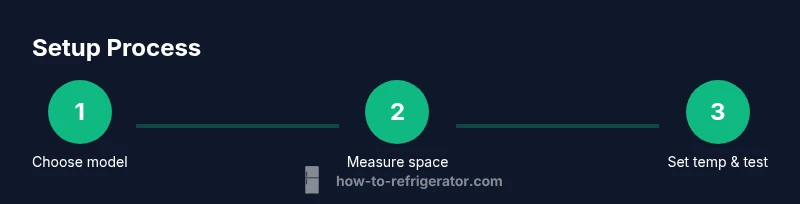
- Define space and choose model; 2) Unbox and inspect; 3) Level unit and position; 4) Plug into proper outlet; 5) Set initial temperature to 34-38°F (1-3°C) and verify with a thermometer after 24 hours; 6) Load shelves and organize; 7) Run a 24-hour temp test; 8) Calibrate settings if needed; 9) Schedule maintenance and keep a simple monthly cleaning log.
Tools & Materials
- Measuring tape(At least 6-8 feet for room measurements)
- Flat-head and Phillips screwdrivers(Phillips #2 for most consumer fridges)
- Spirit level(Ensure unit sits perfectly level)
- Digital fridge thermometer(Place at the middle shelf for accuracy)
- Soft cloths or microfiber towels(For wipe-downs and drying)
- Mild dish soap or cleaning spray(Food-safe cleaner preferred)
Steps
Estimated time: 60-90 minutes
- 1
Choose model and measure space
Select a model that fits your space and capacity needs. Measure width, depth, and height, plus door swing clearance. This helps avoid awkward placement or blocking cabinets.
Tip: Prefer a model with adjustable shelves to maximize flexibility. - 2
Unbox and inspect for damage
Carefully remove packaging and inspect doors, shelves, and seals. Report any damage to the seller before powering on.
Tip: Keep packaging until you verify there are no defects. - 3
Level the fridge
Place the unit on a level surface using a spirit level. Adjust feet until the door closes evenly and seals point inward.
Tip: A slightly inclined tilt forward helps doors stay closed when loaded. - 4
Plug into a proper outlet
Use a dedicated 110-120V outlet. Do not run from an extension cord in kitchens or garages.
Tip: If in a damp area, consider a GFCI outlet for safety. - 5
Set initial temperature
Program to 34-38°F (1-3°C) and verify after 24 hours with a separate thermometer.
Tip: Avoid frequent thermostat changes during the first day of use. - 6
Load and organize shelves
Place popular drinks at eye level, use racks to keep cans upright, and rotate stock as needed.
Tip: Label sections with dates to track expiry. - 7
Run a 24-hour test
Monitor temperature stability across shelves. If hot spots appear, re-check airflow and door seals.
Tip: Keep a simple log of temps for the first week. - 8
Establish a maintenance cadence
Schedule monthly cleaning and a yearly professional check if heavily used.
Tip: Set reminders on your phone or calendar.
FAQ
What is the ideal temperature for a redbull fridge?
Aim for 34-38°F (1-3°C) to preserve carbonation and flavor. Monitor with a separate thermometer and adjust gradually.
Aim for about one to three degrees Celsius and check with a separate thermometer.
Can a beverage fridge double as a general fridge?
Yes, but beverage fridges are typically smaller and optimized for cans. They work best as dedicated beverage storage rather than a full kitchen refrigerator.
Yes, but they’re best used for beverages, not as a full kitchen fridge.
Do I need to defrost a redbull fridge?
Most modern beverage fridges are frost-free, but some compact models may require manual defrosting if frost builds up.
Most are frost-free, but check your model's manual for defrost instructions.
Where should I place a redbull fridge?
Away from heat sources, direct sunlight, and moisture. Ensure good airflow around the back and sides.
Keep it away from heat and sunlight and give it space to breathe.
How can I improve energy efficiency?
Keep doors closed, maintain seals, level the unit, and choose ENERGY STAR-rated models when possible.
Keep doors closed, check seals, and choose energy-efficient models.
Watch Video
Top Takeaways
- Choose the right size and location for stable cooling
- Set a 34-38°F target and verify with a thermometer
- Organize shelves for fast access and reduced spills
- Keep up with monthly cleaning and yearly maintenance
- Inspect seals and vents to maintain energy efficiency