How to Remove Refrigerator Smell: A Step-by-Step Guide
Learn a proven, step-by-step method to remove refrigerator smell using baking soda, natural deodorizers, and proper cleaning routines to keep your fridge fresh and safe.


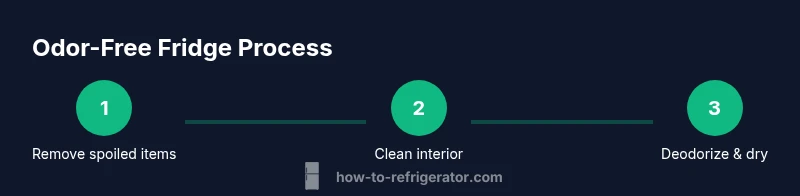
Remove refrigerator smell by following a structured, practical routine: clear spoiled items, clean with a baking soda solution, and deodorize with natural absorbers like charcoal or coffee. Wipe surfaces, dry thoroughly, and air out briefly before restocking. This method tackles the root causes and keeps food safe, with no harsh chemicals required.
Why odors happen in refrigerators
Odors in refrigerators usually originate from spoiled foods, spills, and moisture that fosters bacteria and mold. According to How To Refrigerator, lingering residues on shelves, condensation in drip pans, and poorly sealed containers contribute to persistent smells. When spoiled items sit, bacteria release volatile compounds that travel through air vents and affect dairy, produce, and even crisper drawers. Regular cleaning, prompt spill management, and proper storage are your best defenses. In this section we’ll unpack the common causes and present a practical, homeowner-friendly deodorizing routine that does not require expensive solutions or professional equipment.
Quick diagnosis: is the smell from food, drain, or compartments
Begin by distinguishing possible sources: If the odor is strongest after you’ve opened the door, it often comes from spoiled or strongly scented foods. If you notice a musty or sour odor near the drain line or bottom of the fridge, the issue may involve drainage or mold behind panels. Smell along gaskets and door seals for mildew or curvature gaps. A clean panel and intact seals usually indicate surface residues as the culprit. This diagnostic step helps you target the right cleaning approach without overhauling the entire unit.
Immediate actions to neutralize odors
First, remove all spoiled or questionable items and discard them safely. Next, wipe all interior surfaces with a solution of warm water and a mild dish soap, followed by a thorough rinse with clean water. If strong odors persist, place an open box of baking soda in the main compartment and in the freezer for 24–48 hours to absorb malodors. For extra absorption, position activated charcoal or dry coffee grounds in small breathable containers in non-food zones. Avoid mixing vinegar and baking soda in the same area at the same time and allow the fridge to air out briefly after cleaning. This quick triage stops odor from seeping back into fresh food.
Deep cleaning: shelves, drawers, gaskets
Empty shelves and drawers and wash them with warm, soapy water. Use a soft sponge to scrub the plastic liners and corners where residues collect. Rinse and dry the components before reinstalling. Gaskets around the door can trap mold and odors—wipe them with soapy water and a soft brush, then dry thoroughly. For stubborn mildew, gently scrub with a paste of baking soda and water and wipe clean. Ensure you dry all surfaces completely to prevent new odors from forming while the unit is running.
Odor absorbers: baking soda, activated charcoal, coffee grounds
Baking soda is a classic, cost-effective odor absorber. Keep an open box in the main compartment (and freezer) for ongoing deodorizing. Activated charcoal in breathable pouches can also soak up stubborn smells—place a few pouches in corners away from food. Coffee grounds work as a temporary, cheap absorber when placed in small bowls away from food. Replace absorbers every 30–60 days or sooner if odors return. These natural options offer safer, non-toxic deodorizing Alternatives to synthetic fragrances.
Front-door and seals care to prevent future odors
Regularly check door seals for cracks or gaps; a poor seal can allow warm air to circulate and dampen surfaces, inviting odor development. Clean seals with mild soap and water using a soft cloth; avoid harsh solvents that may degrade rubber. If the seal is visibly damaged or has persistent mold growth, consider replacement. Maintaining a clean gasket reduces cross-contamination between compartments and helps preserve overall freshness.
Best practices for maintenance and prevention
Keep the refrigerator at the correct temperature (ideally around 37–40°F or 3–4°C) to slow bacterial growth. Store leftovers in sealed containers and label them with dates. Wipe spills immediately and do a light weekly wipe-down to prevent buildup. Organize items so air can circulate and avoid overloading shelves, which can obstruct airflow and lead to odor pockets. Consider a routine monthly deodorizing check to catch odors before they become noticeable.
When to call a professional
If odors persist after thorough cleaning, you may have a mold problem behind panels or a damaged compressor or drainage system. Persistent sour or chemical-like smells can indicate unseen issues that require expert assessment. In such cases, consult a certified appliance technician to diagnose potential refrigerant leaks, mold infiltration, or sealed-system problems. Routine maintenance remains the best defense against expensive repairs.
Tools & Materials
- baking soda(Keep 1–2 boxes on hand for deodorizing and cleaning.)
- white vinegar(Use sparingly for a deodorizing rinse; never mix with baking soda in the same area.)
- mild dish soap(For general interior cleaning.)
- warm water(For cleaning solution and rinsing.)
- spray bottle(To mist cleaning solutions evenly.)
- microfiber cloths(Soft, non-scratch cleaning and drying.)
- sponge(Gentle scrubbing for shelves and drawers.)
- bucket or basin(Catch rinse water and keep workspace tidy.)
- old towels or rags(Dry surfaces and protect floors.)
- activated charcoal (optional)(Breathable pouches to absorb odors.)
- coffee grounds (optional)(Place in bowls for quick odor absorption.)
- lemon wedges (optional)(Natural fragrance boost after cleaning.)
- gloves (optional)(Protect hands during cleaning.)
- replacement door seals (optional)(For damaged gaskets.)
Steps
Estimated time: 60-90 minutes
- 1
Remove spoiled items and clean loose debris
Take everything out of the fridge and discard any spoiled food. Wipe down shelves with a damp cloth to remove residues before washing. This prevents odors from lingering on unopened containers.
Tip: Do not mix food storage with just-cleaned areas until fully dried. - 2
Inspect and remove shelves and drawers
Take out shelves and drawers for thorough washing. Soak them briefly in warm soapy water, scrub with a sponge, then rinse and dry fully before returning.
Tip: Use a separate area for drying to avoid recontaminating cleaned surfaces. - 3
Clean the interior surfaces
Wipe the interior with a mixture of warm water and a few drops of dish soap. For stubborn odors, use a baking soda paste (1/2 cup baking soda in 1 cup water) on problem spots, then rinse.
Tip: Avoid harsh chemicals that can leave residual odors. - 4
Deodorize with baking soda and absorbers
Place an open baking soda container in the main compartment and freezer. Add optional activated charcoal pouches or a bowl of coffee grounds in non-food zones to absorb lingering smells.
Tip: Change absorbers every 30–60 days for best results. - 5
Clean the door seals
Wipe door gaskets with mild soap and water. If you notice mold, scrub gently with a baking soda paste and rinse. Dry the seals completely to prevent moisture buildup.
Tip: Check seals for cracks; damaged seals should be replaced. - 6
Dry, reassemble, and air out
Dry all components and interior thoroughly. Reassemble shelves and drawers. Leave the fridge door open for 10–20 minutes if safe and convenient to air out residual moisture.
Tip: Ensure the unit returns to proper temperature before restocking. - 7
Restock and maintain
Return items in an organized manner with sealed containers. Keep temperature steady and wipe spills promptly to maintain freshness, scheduling a light clean every few weeks.
Tip: Create a simple weekly check to prevent odor buildup.
FAQ
What causes refrigerator smells?
Most fridge odors come from spoiled food, spills, and moisture. Mold growth behind shelves or in seals can also contribute. Regular cleaning and proper storage help prevent odors from forming.
Most fridge odors come from spoiled food, spills, and moisture, with mold sometimes hiding behind shelves or seals.
Can baking soda remove fridge odors?
Yes. Baking soda absorbs odors when placed in open containers inside the fridge. Replace every 30 to 60 days for continued effectiveness.
Yes, baking soda helps absorb odors; replace it every 30 to 60 days.
Is it safe to use vinegar in the fridge?
Vinegar is effective for deodorizing, but avoid direct contact with foods and rinse well after use to prevent any residual smell.
Vinegar can deodorize, but don’t let it touch your food and rinse afterward.
How often should I clean my fridge to prevent odors?
Wipe spills immediately and perform a deeper clean every 1–2 months, depending on usage and the number of perishables stored.
Wipe spills right away and deep-clean every one to two months.
What if the seals smell?
Wipe seals with soap and water; if odors persist, inspect for cracks and consider gasket replacement.
Wipe the seals, and if the smell sticks around, check for cracks and replace the gasket if needed.
What are natural odor absorbers I can use?
Baking soda, activated charcoal in breathable pouches, and coffee grounds in bowls are effective. Replace every month or as odors return.
Try baking soda, charcoal, or coffee grounds to absorb odors, and replace when needed.
Watch Video
Top Takeaways
- Identify odor sources before cleaning to target the fix.
- Clean surfaces with mild cleaners; avoid harsh chemicals.
- Use baking soda or absorbers to neutralize odors safely.
- Dry thoroughly and air out before restocking.
- Maintain a regular cleaning routine to prevent odors.