How to Get Rid of Refrigerator Mold: A Homeowner’s Guide
Learn safe, proven steps to remove refrigerator mold, prevent regrowth, and protect your family with practical cleaning and humidity control tips.


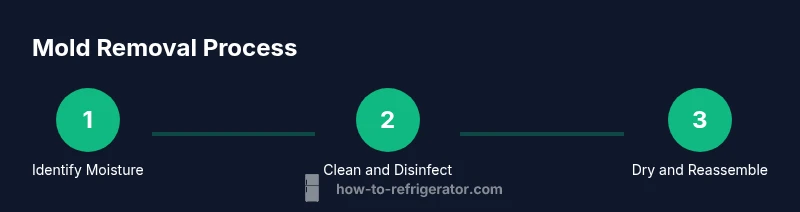
To get rid of refrigerator mold, start by unplugging the unit and removing shelves, drawers, and spoiled foods. Clean every surface with hot, soapy water, then treat moldy spots with vinegar or a mild bleach solution. Dry thoroughly and improve airflow to prevent recurrence. Follow up with routine humidity control and regular cleaning.
Understanding Refrigerator Mold: What It Is and Why It Appears
Mold in a refrigerator is typically caused by moisture trapped around spills, condensation on door gaskets, and organic residue left on shelves. The most common fridge molds are environmental molds that feed on sugars and proteins found in food. While many species are harmless, some can produce unpleasant odors or trigger allergies, especially in children and sensitive adults. The How To Refrigerator team notes that mold thrives where moisture lingers and airflow is restricted. This means that even small amounts of spills or a humid kitchen can create a perfect environment for mold to start growing on gaskets, shelves, crisper drawers, and the interior walls. Regular cleaning and quick drying are essential to keep mold at bay. If you notice fuzzy growth, musty smells, or black spots, treat the area promptly and relocate any contaminated food to prevent cross-contamination. In all cases, safety first: wear gloves and a mask while cleaning, and ensure good ventilation. Remember: you are not just erasing a color or smell—you are removing invisible spores that can affect air quality in your home. According to How To Refrigerator, moisture control is your first defense against recurring mold, so address leaks, spills, and condensation promptly.
Quick Fixes You Can Do Right Now
If you detect a moldy odor or visible growth, start with rapid containment. Remove contents from the fridge, discard any moldy foods, and place shelves and drawers in a separate container for washing. Wipe down all interior surfaces with hot, soapy water, then rinse and dry thoroughly. A light mist of white vinegar (1:1 with water) can help inhibit mold growth without aggressive fumes. Do not mix cleaning agents; never combine bleach with ammonia or vinegar. After cleaning, prop the doors open for airflow and use a clean towel to dry every surface. If condensation persists, run a fan nearby or use a dehumidifier in the kitchen to reduce ambient humidity. According to How To Refrigerator, preventing moisture buildup is as important as removing existing mold. This quick routine buys you time before a deep clean and reduces the risk of spores circulating through the kitchen.
Deep Cleaning Methods: Vinegar, Hydrogen Peroxide, and Bleach
Deep cleaning is about choosing the right disinfectant and using it correctly. White vinegar is a popular natural option that helps break down mold and deodorize. Spray a 1:1 mixture on all interior surfaces, let it sit for a few minutes, then wipe clean and dry. For tougher spots, hydrogen peroxide (3%) can be used as a no-rinse sanitizer. Apply, wait 5–10 minutes, and wipe away. Bleach is effective for persistent mold but should be used with caution: dilute to about 1 tablespoon per cup of water, never mix with ammonia or vinegar, ensure good ventilation, and avoid contact with foods. Rinse surfaces after any bleach treatment and dry completely. A thorough drying is essential to prevent regrowth. How To Refrigerator emphasizes testing a small area first and continuing with moisture control to ensure the mold doesn’t return.
Prevention Strategies: Humidity, Seals, and Airflow
Prevention focuses on reducing moisture and maintaining clean, dry surfaces. Keep humidity levels in the fridge low by avoiding overfilling, which blocks air circulation. Inspect door seals for gaps, cracks, or mold around the gasket and replace damaged seals promptly. Store foods in sealed containers to minimize spills that can feed mold. If your kitchen is damp, use a dehumidifier or increase ventilation to reduce ambient humidity. Regularly wipe down shelves after spills and run the fridge on a steady cycle to improve airflow. Lastly, schedule a light cleaning every few weeks to deter new mold growth. The key is consistent maintenance—pair routine cleaning with humidity control to keep your refrigerator mold-free.
When to Call a Pro and Safety Warnings
If mold covers large areas (more than a few inches), keeps returning after cleaning, or if you notice persistent odors that you cannot remove, it’s time to contact a professional appliance technician. Signs of hidden mold behind panels or inside sealed areas require expert assessment. Always wear protective gear—gloves, a mask, and eye protection—when handling mold and powerful cleaners. Ensure proper ventilation, especially when using bleach. Never mix cleaners and never clean food-contact surfaces with harsh chemicals that could contaminate your food. If you have a compromised immune system or severe allergies, consider consulting a professional sooner. How To Refrigerator recommends erring on the side of caution and addressing mold promptly to protect your family’s health.
Tools & Materials
- Dish soap or mild detergent(For initial wash)
- Warm water(Base solution for washing)
- White vinegar(Natural disinfectant)
- Hydrogen peroxide (3%)(Optional sanitizer for tough spots)
- Bleach (sodium hypochlorite)(1:10 bleach solution, ventilate well)
- Baking soda(Odor control and freshening)
- Spray bottle(For vinegar/bleach mixtures)
- Non-abrasive sponge(Avoid scratching surfaces)
- Goggles, gloves, mask(Protective gear)
- Buckets and microfiber cloths(Rinse and dry surfaces)
- Trash bags(Dispose of moldy items)
- Dehumidifier or fan(Improve drying and airflow)
Steps
Estimated time: 60-90 minutes
- 1
Unplug and Empty
Unplug the refrigerator, remove all food and items, and discard any visibly moldy contents. This reduces exposure to spores and makes the interior accessible for thorough cleaning. Keep doors open while you work to promote airflow.
Tip: Take photos of shelf layouts to help reassemble later. - 2
Remove Shelves and Drawers
Take out all removable parts and wash them separately with hot soapy water. Dry completely before returning them to the unit. Mold can hide in crevices, so remove everything you can.
Tip: Soak small parts in warm water with a drop of detergent for 5 minutes to loosen residue. - 3
Vacuum Loose Spores
Vacuum interior surfaces, especially gaskets and seam lines, with a hose attachment to remove loose spores. This reduces airborne contamination before cleaning with liquids.
Tip: Wear a mask and goggles to protect yourself from spores. - 4
Prepare Cleaning Solution
Mix your cleaning solutions in labeled spray bottles: white vinegar with water (1:1) or a mild bleach solution (1:10) in a ventilated area. Do not combine cleaners and never mix bleach with ammonia.
Tip: Label bottles clearly to avoid accidental mixing. - 5
Wipe All Surfaces
Wipe every interior surface, including door gaskets, shelves, and walls. Let the solution sit for a few minutes, then wipe away and rinse with clean water. Dry with a clean towel.
Tip: Pay extra attention to gasket corners where mold often hides. - 6
Rinse and Dry Thoroughly
Rinse away any cleaner residue and dry every surface completely. Use a dry microfiber cloth and fan airflow to speed evaporation. Do not close the door until air has circulated and the interior is dry.
Tip: Open doors periodically to promote continuous drying if you’re waiting for humidity to drop. - 7
Disinfect Gaskets and Seals
Scrub gasket seams with a toothbrush or small brush, then wipe with a vinegar solution or diluted bleach. Dry thoroughly to prevent immediate return of moisture.
Tip: Inspect for cracks or tears; replace damaged seals to prevent future mold growth. - 8
Return Items and Monitor Humidity
Reinsert shelves and drawers, then restock foods in sealed containers. Monitor humidity with a hygrometer and keep the kitchen well-ventilated to prevent future mold.
Tip: Keep the fridge temperature consistent and avoid overfilling the shelves.
FAQ
Is refrigerator mold dangerous to my health?
Most fridge molds are not highly toxic, but spores can irritate allergies. Clean promptly and ventilate. If you have asthma or severe allergies, consider professional assessment.
Mold in the fridge can irritate allergies; clean and ventilate. If you have asthma, get expert help.
Can I use bleach to remove fridge mold?
Bleach is effective but must be diluted and never mixed with ammonia or other cleaners. Rinse and dry surfaces well to avoid residue ending up on food surfaces.
Bleach can work, but dilute it and rinse thoroughly to avoid food contact residue.
How often should I clean to prevent mold?
Do a quick wipe after spills and a deeper clean every 4–8 weeks, depending on usage and humidity. Consistent cleaning plus humidity control is key.
Wipe spills right away and deep-clean every month to prevent mold.
What humidity level is best for a refrigerator?
Aim for low to moderate humidity inside the fridge, and use a hygrometer to monitor ambient humidity in the kitchen. Dehumidifiers help in damp spaces.
Keep humidity in check with a hygrometer and dehumidifier if needed.
Should moldy food be discarded?
Yes, discard moldy items. Mold can spread spores and contaminate other foods. When in doubt, throw it out and clean the container.
Discard moldy foods to prevent spores from spreading.
When should I call a professional?
If mold returns after cleaning, covers large areas, or you suspect hidden mold behind panels, consult a professional appliance technician.
If mold keeps coming back, call a pro.
Watch Video
Top Takeaways
- Identify moisture sources and clean them promptly
- Use vinegar or diluted bleach with ventilation
- Dry interiors completely to prevent regrowth
- Inspect seals and improve airflow
- Maintain humidity control to reduce recurrence