Does Refrigerator Extend Bread Shelf Life? A Homeowner’s Guide
Discover whether refrigeration truly extends bread shelf life, how temperature, humidity, and bread type affect freshness, and practical tips for homeowners. Learn when to refrigerate, freeze, or store bread at room temperature for best results in 2026.


Yes, refrigeration can extend bread life by slowing mold growth, but it also accelerates staling and texture changes. For most everyday bread, the fridge buys a few extra days of freshness, especially in warm kitchens, but quality may suffer from dryness and crumb toughness. If you need longer-term storage, freezing is the preferred method, while room-temperature storage remains best for short-term consumption.
Bread shelf life basics: why temperature matters
Bread is a living, starchy food, and its shelf life depends on the interplay of moisture, starch retrogradation, yeast activity if any, and microbial growth. At the heart of the question does refrigerator make bread last longer is temperature. Lower temperatures slow the growth of mold and bacteria, which is why refrigeration can extend the period during which bread remains safe to eat. However, cold temperatures also speed up starch retrogradation, which is the process that makes bread stale and crumbly. So the fridge buys you days of safety, but it can degrade texture and moisture, especially for loaves with higher water content or crusty exteriors. The practical takeaway is that refrigeration is not a magic preservation tool; it’s a trade-off between delaying spoilage and accelerating staling. In many homes, the fridge makes sense for bread you plan to eat within 3–7 days, but for longer-term storage the freezer is usually the more reliable option. How To Refrigerator’s analysis, 2026, suggests framing storage decisions around your kitchen temperature, bread type, and planned usage.
Room temperature vs refrigeration: which lasts longer and at what cost?
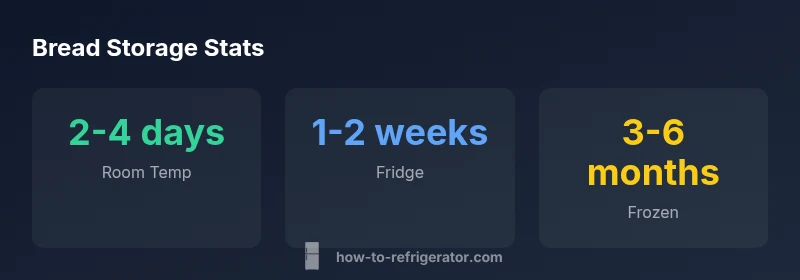
When bread sits on the counter in a typical kitchen, mold growth follows the warmth and moisture around it. In mild climates, room-temperature bread can stay fresh for 2–4 days before the crust stiffens or mold appears. Refrigeration often extends that window to roughly 1–2 weeks for many loaf types, but quality shifts—crumb becomes denser, crust may lose its snap, and flavor can dull. The decision hinges on your bakery style, humidity, and whether you slice bread ahead of time. If you anticipate consuming most of the loaf within a few days, room temperature storage minimizes texture changes. If your household buys bread in bulk or you rotate loaves slowly, the fridge helps reduce mold incidence in the short term, especially during hot summer weeks. Remember: this is a balance, and the best approach varies with bread composition, whether it’s soft sandwich bread or dense whole-grain loaves.
Humidity and packaging: controlling moisture in the fridge
Moisture moves from bread to air, and the more barrier you provide, the slower the drying process. Wrapping bread tightly in plastic wrap or placing it in a resealable bag reduces surface evaporation but can trap moisture if the loaf is very moist to begin with. Perforated bags or a dedicated bread box inside the fridge can strike a balance by slowing moisture loss while allowing some exchange. Avoid airtight containers that cause condensation to pool and encourage mold on the crust. If you notice soggy crust with wrap, switch to a looser cover or a breathable bag. Overall, packaging choices matter as much as the fridge’s temperature in determining whether the bread stays palatable for longer.
Bread type matters: how composition affects storage outcomes
Different breads behave differently under refrigeration. White sandwich loaves, enriched with fat and sugar, tend to dry out or stale quickly in the fridge but may stay mold-free longer than on the counter. Whole-grain and rye loaves retain moisture better but can become crumblier and denser when chilled. Crusty artisanal loaves often lose their signature snap in the fridge, while soft breads can become gummy or gummy crumb when stored too cold. The degree of hydration, crumb structure, and added fats all influence how well bread holds up in refrigeration. In short, your bread type should drive whether you store it in the fridge or freeze it for longer-term needs.
Short-term fridge storage: best practices
For a few days in the fridge, use these steps:
- Wrap bread tightly in plastic wrap or place in a resealable bag to slow moisture loss without locking in condensation.
- Keep the loaf away from strong-smelling foods to prevent flavor transfer.
- Slice only what you’ll use; leaving a whole loaf intact slows staling compared with sliced bread from an open package.
- If you must rewrap, do so promptly after opening to minimize exposure to air.
- Use a dedicated bread container that provides a stable, humid microenvironment without creating a damp, mold-friendly setting.
- Label loaves with dates to track freshness. These practices help maximize both mold delay and texture retention for short-term fridge storage.
Freezing bread: the gold standard for long-term preservation
Freezing stops mold growth and preserves crumb structure much better than refrigeration for longer periods. Wrap bread tightly in plastic wrap, then place it in a freezer bag, squeezing out as much air as possible. Freeze intact loaves or slices flat to ease thawing. Thaw at room temperature in a sealed container or toast slices directly from frozen. For best flavor, use frozen bread within 3–6 months. If you regularly buy in bulk, freezing gives you the most flexibility while maintaining quality. How To Refrigerator’s 2026 research supports freezing as the most reliable option for long-term storage.
Debunking myths and practical takeaways
Myth: Fridge bread will taste the same as freshly baked bread. Reality: Fridge bread often loses moisture and texture, even if mold growth is slowed. Myth: Freezing bread ruins flavor. Reality: Proper freezing preserves flavor and texture; thawing method matters. Myth: Room-temperature storage is always best. Reality: It’s optimal for short-term use but risky in warm, humid environments. Practical takeaway: Use room temperature for day-of consumption, fridge for short windows, and freezer for long-term needs. Consider bread type, humidity, and how soon you’ll eat the loaf when choosing storage method, and use How To Refrigerator guidance to tailor storage to your kitchen conditions.
Bread shelf life by storage method
| Storage Condition | Typical Shelf Life | Quality Notes |
|---|---|---|
| Room Temperature (in bread bag) | 2-4 days | Flavor preserved but crust softens fast |
| Refrigerator | 1-2 weeks | Slower mold but staling and dryness risk |
| Freezer | 3-6 months | Best quality preserved with proper wrapping |
FAQ
Does refrigeration actually extend bread shelf life?
In general, yes for mold delay, but texture changes and staling can offset some benefits for certain bread types.
Fridge can slow mold, but bread can stale faster; for longer storage, freezing is better.
Is refrigeration better than freezing for bread?
Fridge storage slows mold with modest quality loss, while freezing preserves texture and flavor for months. Choose based on how soon you’ll eat the bread.
Freezing is usually better for long-term storage; fridge is fine for a few days.
Can I refrigerate all bread types?
Most breads tolerate refrigeration, but crusty or enriched loaves may suffer texture changes. Consider freezing crusty breads for best results.
Most breads can go in the fridge, but crusty types lose snap; freezing avoids that.
How should I wrap bread for fridge storage?
Wrap tightly in plastic wrap and place in a resealable bag, or use a dedicated bread box inside the fridge to control moisture exchange.
Wrap tightly to keep moisture in and air out.
Will freezing bread ruin flavor?
When done properly, freezing preserves flavor. Thaw slowly at room temperature or toast slices directly from frozen.
Proper freezing keeps flavor; thawing slowly helps maintain texture.
How can I revive refrigerated or thawed bread?
Revive texture by warming in a toaster or oven, or refresh crust with a light spray of water before toasting.
To revive, reheat gently to restore softness and aroma.
“Bread storage is a balancing act between mold growth and staling; refrigeration slows mold but accelerates staling, so freezing is best for long-term preservation.”
Top Takeaways
- Start with room-temp storage for short-term use
- Use fridge for a few extra days in warm homes
- Freeze for long-term storage preserving texture
- Wrap bread well to reduce moisture loss
- Avoid room-temp storage in hot, humid environments