Garage Refrigerator Setup: Safe, Efficient in Garage Use
Learn how to safely operate a refrigerator in a garage, with garage-specific temperature guidance, electrical safety, placement tips, and maintenance routines to maximize efficiency and longevity.


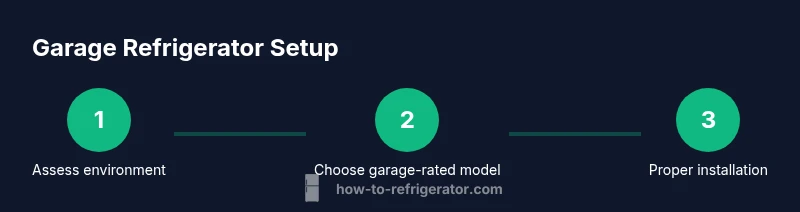
To safely use a refrigerator in a garage, ensure the unit is rated for garage temperatures and install it on a level, well-ventilated surface. Verify a grounded outlet, leave proper clearance for airflow, and check door seals and insulation. Prepare for temperature swings by planning routine maintenance and seasonal checks.
What makes a garage environment challenging for refrigerators
Garage environments introduce wide temperature swings, higher humidity, dust, and occasional heat sources that can stress a standard kitchen fridge. A unit installed in a garage is often called upon to function at ambient temperatures far outside typical kitchen ranges. To keep food safe and the compressor healthy, you need a fridge that is rated for garage use and a setup that minimizes thermal cycling. According to How To Refrigerator, homeowners who choose a model with a wide operating range and robust insulation report fewer frost cycles and steadier performance during cold snaps. In practice, this means checking the product’s spec sheet for minimum and maximum operating temperatures, and confirming that the appliance is designed to tolerate freezer-to-garage transitions if your garage can dip near freezing or spike into heat during the day. Even if you cannot swap the fridge, you can still improve performance by constructing a sheltered niche with insulating panels or a simple garage cabinet that reduces direct exposure to sun or drafts. Regular cleaning of condenser coils (even in garages) helps keep efficiency up. Overall, the key is planning around the garage’s realities rather than forcing a standard kitchen fridge to perform outside its design envelope. This approach preserves energy, reduces wear, and minimizes the risk of spoiled perishables.
Selecting a refrigerator for garage use
When choosing a refrigerator for garage use, start with the ambient conditions you expect year-round. Look for a model that explicitly lists an ambient operating temperature range and a robust insulation package. Energy efficiency matters, but in a garage the energy draw must be weighed against the unit’s ability to maintain safe internal temperatures with wide external swings. A garage-rated unit or a standard unit paired with extra insulation is preferable to forcing a conventional fridge to operate under extreme conditions. Consider capacity and layout—shelves, adjustable bins, and door swing should fit the garage’s space and usage. Door seals should be strong and uniform, minimizing cold air loss when the door closes. If you don’t find a dedicated “garage” model, you can add insulation panels or a lightweight enclosure to reduce heat gain. In all cases, verify the label for minimum/maximum operating temperatures and check that coils are accessible for occasional cleaning. The How To Refrigerator team advises confirming the appliance’s warranty terms, since garage use can affect coverage if the unit isn’t explicitly rated for that environment.
Installation basics: placement, clearance, and ventilation
Placement matters as much as the unit’s ratings. Position the fridge on a level, dry surface, away from heat sources like furnaces, water heaters, or direct sunlight. Maintain at least a couple of inches of clearance on all sides to allow air to flow freely around the condenser and coils. If your garage has a concrete floor, keep the fridge above the floor with a small lip or mat to reduce moisture transfer. Do not place the appliance on thick carpeting or uneven surfaces that can cause misalignment. Ensure the cord reaches a grounded outlet without being stretched or pressed against the back of the unit. For best performance, install the fridge away from large doors that open frequently, which can cause rapid ambient changes and extra cycling.
Electrical safety and power requirements
Always plug a garage fridge into a grounded 120V outlet that has proper protection (GFCI if there’s any chance of moisture). Do not use extension cords or power strips; they can overheat and create fire risk in a garage. If the existing circuit is older, consider having a dedicated circuit installed by a licensed electrician. Make sure the outlet is not located in a damp area and that the cord and plug are in good condition. Periodically inspect cords for wear, especially if vehicles or tools pass near the fridge. The aim is a stable, safe power supply that can handle the fridge’s startup surge without tripping breakers.
Temperature management in garage conditions
Garage temperatures can push the interior of a refrigerator toward the extremes. Use a reliable thermometer to monitor interior temps and compare with ambient readings. A common target is to keep the interior in the mid-range of a typical refrigerator, usually around 35–40°F (2–4°C), but adjust based on actual readings and what you store. In hot climates, keep the fridge away from exterior walls that absorb heat and consider an insulated cover when the unit is idle for long periods. During cold snaps, ensure the door seals stay flexible and intact, since stiff gaskets can allow air infiltration that disrupts cooling. If you notice excessive frost buildup or condensation, recheck door seals and humidity control strategies.
Maintenance routines for garage refrigerators
Maintenance is the difference between a garage fridge that lasts and one that struggles in harsh conditions. Clean condenser coils at least twice a year or more often in dusty garages to maintain efficiency. Inspect door gaskets for cracks or gaps every 3–6 months and replace if necessary; a poor seal causes ice buildup and energy waste. Keep the interior tidy and remove spoiled items promptly to avoid odors and mold. Check the level and stability of the unit after installation and relevel if needed due to floor settling. Moisture in the garage can cause rusting—use moisture absorbers near the base or a ventilated cabinet to manage humidity. Finally, if you notice unusual noises or erratic cycling, diagnose early to prevent compressor wear.
Authority sources and safety benchmarks
For homeowners seeking credible guidelines, consult these sources on appliance safety and energy considerations: U.S. Energy Department guidance on appliance efficiency and climate impact; Consumer Product Safety Commission safety updates; and university or state extension resources on weatherproofing, humidity control, and home energy use. These references help anchor practical steps in established standards and reduce guesswork when configuring a refrigerator in a garage environment. How To Refrigerator also synthesizes expert guidance to provide homeowner-friendly checks and maintenance routines that fit typical garage setups.
Tools & Materials
- Thermometer with external probe(Monitor interior and ambient temps; place sensor away from vents.)
- GFCI-protected grounded outlet tester(Verify outlet protection and that the circuit is not overloaded.)
- Fridge level(Use a carpenter’s level to ensure the unit sits flat on the floor.)
- Insulation or garage cabinet (optional)(Reduce heat gain and drafts around the unit.)
- Door gasket replacement kit (optional)(Keep seals airtight to prevent cool air loss.)
- Moisture absorber or dehumidifier (optional)(Control garage humidity near the appliance.)
- Dust brush or vacuum with nozzle(Clean nearby dust and debris to prevent coil clogging.)
Steps
Estimated time: 2-4 hours
- 1
Assess garage environment
Survey typical ambient temperatures, humidity, and exposure to sunlight or heat sources. Document seasonal swings and the garage’s overall load from other devices. This helps you choose a fridge with an appropriate operating range and plan placement.
Tip: Use a simple thermometer on a hot day and a cold day to capture temperature extremes. - 2
Select a garage-rated refrigerator
Choose a model that explicitly lists an ambient operating range suitable for garage use, or implement extra insulation/enclosure to compensate for wide swings. Consider capacity, energy efficiency, and door layout.
Tip: Verify the spec sheet shows a broad temperature range and a good door seal. - 3
Prepare installation space
Clear space around the unit, keep it dry, and avoid carpeting. Ensure the floor is level and that there is enough clearance for airflow around the condenser.
Tip: Avoid placing the fridge directly against the wall and leave space on the back and sides for heat dissipation. - 4
Position and level the appliance
Move the unit into place and use a level to adjust feet until the appliance sits evenly. This prevents vibrations that can damage components and ensures door seals work properly.
Tip: A slightly tilted door can prevent proper sealing—adjust until level. - 5
Connect power safely
Plug into a grounded 120V outlet with proper protection (GFCI if moisture is possible). Do not use extension cords or daisy-chains; a dedicated circuit is ideal for reliability.
Tip: Do not run heavy loads on the same circuit if the fridge starts tripping breakers. - 6
Test cooling and door seals
Power on and allow the unit to stabilize. Check interior temperature after 24 hours and inspect door gaskets for air leaks or frost buildup.
Tip: If the interior doesn’t reach target temp within 24–48 hours, reassess placement or ambient conditions. - 7
Establish ongoing maintenance
Create a routine for coil cleaning, gasket inspection, and seasonal checks. Maintain a simple log of temperatures and any notable changes.
Tip: Keep a simple maintenance calendar and note any temperature deviations.
FAQ
Can I use a standard kitchen fridge in a garage?
Only if the unit is rated for garage temperatures and can handle wider ambient swings. Otherwise, expect uneven cooling and increased wear during extreme weather.
Only use a standard kitchen fridge in a garage if it's rated for garage temperatures; otherwise you may see uneven cooling and faster wear.
What temperature should a garage fridge be set to?
Aim for an interior temperature around 37–40°F (3–4°C). Adjust based on ambient conditions and the type of food being stored.
Aim around 37 to 40 degrees Fahrenheit, and tweak as needed based on your garage conditions.
Do I need a heater or dehumidifier for a garage fridge?
A heater is usually unnecessary. Focus on proper insulation, ventilation, and humidity control. Use a dehumidifier if your garage is very damp.
You usually don’t need a heater; manage humidity with insulation and ventilation.
How often should I maintain a garage fridge?
Check seals and coils every 3–6 months and clean condenser coils twice a year. Keep the interior tidy to prevent odor buildup.
Check seals and coils every few months, and clean coils a couple of times a year.
Is a garage fridge more energy inefficient?
Garage-rated fridges are designed to handle wider ambient temps, but energy use varies by model. Look for energy efficiency ratings and good insulation.
Energy use depends on the model; pick garage-rated and energy-efficient units.
Watch Video
Top Takeaways
- Choose garage-rated units for extreme temps
- Provide proper clearance and ventilation
- Use a grounded outlet; avoid extension cords
- Perform regular maintenance to extend fridge life