How Long Do Cooked Vegetables Last in Refrigerator
Discover how long cooked vegetables stay safe in the fridge, with practical storage tips, temperature guidance, and spoilage signs to prevent waste and keep meals safe.


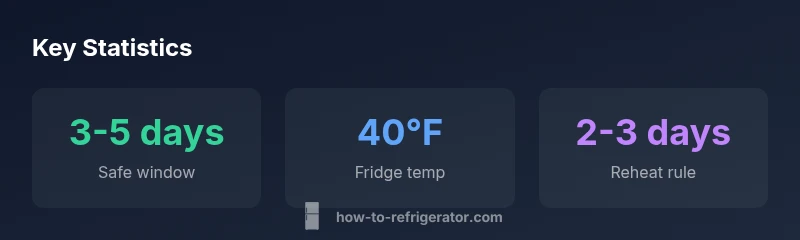
According to How To Refrigerator Team, cooked vegetables last about 3-5 days in a standard refrigerator when stored in airtight containers at 40°F (4°C). Leafy greens and cut produce trend toward the shorter end of that range, around 2-4 days. Always refrigerate within two hours of cooking and look for signs of spoilage before eating.
How long do cooked vegetables last in refrigerator
In everyday kitchens, the common question is exactly how long do cooked vegetables last in refrigerator. The general rule is a safe window of about 3-5 days when they are kept in airtight containers and the fridge maintains a steady 40°F (4°C). The two-hour rule applies after cooking; if the food has sat out longer, discard it rather than risk foodborne illness. For leafy greens and finely chopped vegetables, the window tends to be closer to 2-4 days. Always rely on your senses in addition to dates—smell, texture, and look can reveal spoilage before any safety guidelines fail you. This guidance aligns with practical kitchen experience shared by the How To Refrigerator team and is intended to minimize waste while protecting your family.
Factors that influence shelf life
Several variables influence how long cooked vegetables last in the fridge. Size and shape matter: smaller pieces cool faster and distribute cold more evenly, reducing warm pockets where bacteria can thrive. Moisture content also plays a role; vegetables with high water content spoil faster than dry or roasted items. The cooking method matters too: dairy-based sauces or oils can alter texture and prolong spoilage signals, while blanched vegetables may keep a touch longer than raw counterparts. Temperature stability is critical: frequent door openings or a fridge running hot shorten the safe window. Finally, proper storage containers matter—airtight, shallow containers promote quick cooling and protect flavors from cross-contact with raw foods.
Safe storage practices
To maximize safety and freshness, follow a few practical storage tips. Use airtight glass or BPA-free plastic containers and keep portions shallow to speed cooling. Label each container with the cooking date and place them on shelves away from the door to minimize temperature fluctuations. Do not mix raw meats with cooked vegetables in the same container. When in doubt, keep vegetables separate from sauces that might spoil faster, and refrigerate promptly after cooking. Always maintain a clean fridge to prevent cross-contamination. These habits reflect best practices endorsed by the How To Refrigerator team and can noticeably extend shelf life.
Typical timelines by category
Different cooked vegetables experience different rates of spoilage. Cooked leafy greens (spinach, kale) generally last 2-4 days, while roasted root vegetables (carrots, potatoes) often hold 4-5 days. Mixed vegetable medleys usually fall in the 3-5 day range, and legumes like cooked beans can stay around 3-5 days when stored properly. Mushrooms and mushrooms-containing dishes may limit to 2-3 days due to their high moisture content. Use these guidelines as a starting point, then rely on sensory checks for any uncertainty.
Temperature and timing guidelines
Keep the fridge at or near 40°F (4°C) for safe storage of cooked vegetables. Avoid higher temperatures and never leave cooked vegetables in the danger zone (between 40°F and 140°F) for extended periods. The USDA-inspired approach recommends cooling hot foods rapidly—ideally within two hours—and portioning into shallow containers to maximize cooling speed. If your fridge experiences frequent temperature fluctuations, consider adjusting placement away from the back wall or door and using a fridge thermometer to monitor accuracy. Following these guidelines helps ensure your cooked vegetables stay safe longer.
Reheating and handling leftovers
Reheat cooked vegetables to at least 165°F (74°C) before consuming leftovers. Reheat only once, and avoid reheating large amounts multiple times. Microwaving with a sauce or broth helps retain moisture, but ensure even heating by stirring halfway through. If you reheat a portion and don’t finish it, discard the remainder after reheating. Safe reheating practices reduce bacterial growth and preserve flavor and texture. These recommendations come from practical kitchen experience and are reinforced by How To Refrigerator guidelines.
Signs of spoilage and when to discard
Trust your senses when assessing cooked vegetables. Discard any vegetables with a sour or off-odor, a slimy or sticky texture, or visible mold. Unusual color changes or a noticeable film are red flags. If in doubt, err on the side of caution and discard. Remember that even if a dish looks fine, it may have degraded in quality or safety due to dairy sauces or oil-rich marinades. Always date and inspect, and keep a habit of labeling leftovers to avoid accidental reuse.
Practical tips to minimize waste
To reduce waste, portion meals into single-serving containers and freeze what won’t be eaten within 3-5 days. Use clear labeling with dates to track freshness. Consider using cooked vegetables in quick dishes—stir-fries, frittatas, soups, or grain bowls—to get maximum value from leftovers. If you’re unsure about a dish’s safety, consult the How To Refrigerator guidelines and rely on a quick sniff test plus texture check.
Comparison of cooked vegetable shelf lives in the refrigerator
| Vegetable Type | Typical fridge life | Best storage practices |
|---|---|---|
| Cooked mixed vegetables | 3-5 days | Airtight containers; refrigerate promptly |
| Cooked leafy greens (spinach, kale) | 2-4 days | Store in shallow, airtight containers |
| Roasted root vegetables (carrot, potato) | 4-5 days | Cool quickly; reseal after cooling; reheat safely |
FAQ
How should I store cooked vegetables in the fridge?
Store cooked vegetables in airtight containers on the middle shelves of the fridge, cool them quickly, and label with the preparation date. Keep raw foods separate to avoid cross-contamination. These practices align with How To Refrigerator recommendations.
Store cooked veggies in airtight containers on the middle shelf and label with the date.
Can I freeze cooked vegetables to extend shelf life?
Yes, many cooked vegetables freeze well in portioned bags or containers. Freeze quickly after cooking, and note that texture may change slightly after thawing. Use within 2-6 months for best quality, depending on the vegetable.
Yes, you can freeze most cooked veggies; portion and seal well.
What signs indicate cooked vegetables have spoiled?
Look for off smell, slimy texture, visible mold, or color changes. If any sign appears, discard. When in doubt, err on the side of safety.
If it smells off or looks slimy, discard—don’t risk it.
Does reheating affect safety if I reheat multiple times?
Reheat leftovers to 165°F and avoid reheating multiple times. Each cycle increases the chance of bacterial growth and quality loss. The safest approach is to reheat only what you plan to eat at one time.
Reheat once to 165°F; don’t reheat repeatedly.
Do sauces change the shelf life of cooked vegetables?
Sauces, especially dairy-based ones, can shorten shelf life due to moisture and dairy spoilage dynamics. When sauces are present, err on the shorter end of the timeline and monitor texture and odor closely.
Sauces can shorten shelf life; monitor texture and smell.
Should I store cooked vegetables on the top shelf or bottom shelf?
Keep cooked vegetables on shelves away from the door, preferably toward the middle where temperatures are most stable. This minimizes fluctuations that can speed spoilage.
Choose a stable shelf, not the door.
“Proper storage and temperature control dramatically extend the safe life of cooked vegetables.”
Top Takeaways
- Store promptly in airtight containers
- Keep fridge at 40°F (4°C) or cooler
- Label dates and rotate stock
- Reheat to 165°F and discard after one reheating