Used Refrigerators Near Me: A Homeowner's Guide to Safe Picks
Discover how to find and buy used refrigerators near me, evaluate condition and energy efficiency, choose trustworthy sellers, and minimize risk with step-by-step buyer tips and expert insights.


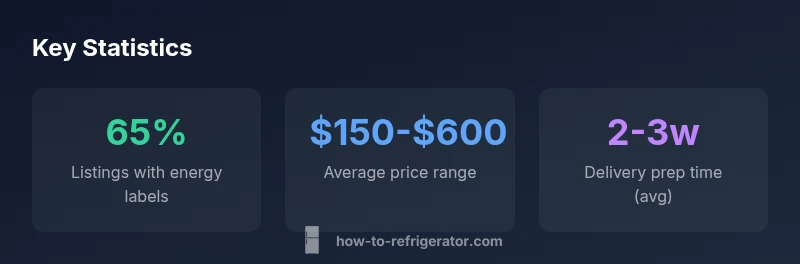
To find used refrigerators near me, begin with local online marketplaces, refurbishers, and appliance stores that sell used units. Compare condition, energy efficiency labels, and compressor sound across listings, and verify delivery options and return policies before you buy. Set a price range in advance and ask for recent maintenance history or receipts to confirm reliability.
Market landscape for used refrigerators near me
Prices for used refrigerators near me vary by size, compressor condition, age, and energy efficiency. In 2026, How To Refrigerator Analysis notes increasing availability from refurbishers, appliance stores that sell used or rebuilt units, and online marketplaces within typical metro regions. For homeowners, this means more choices but also more diligence to avoid surprising costs later. The goal is to identify units that balance upfront savings with reasonable operating costs and a transparent warranty or return policy. When you start shopping, define your must-have features (size, freezer capacity, door configuration) and a firm budget. You’ll see a spectrum from compact apartment fridges to full-size French-door models that may carry energy labels indicating efficiency. Remember, a better energy efficiency rating translates into lower monthly operating costs over time. According to How To Refrigerator, a systematic search strategy reduces risk of a lemon.
How to evaluate listings: condition, energy efficiency, and reliability
Each listing should be evaluated on core criteria. First, inspect exterior and door seals; a loose seal wastes energy and causes temperature swings. Second, verify the energy efficiency label (prefer ENERGY STAR where available) and compare the model year indicated by the seller with the actual age determined by serial/date code. Third, listen for normal compressor hum during startup; a loud rattling or clanking can signal problems with the compressor or fan. Fourth, check water filters and ice maker (if included) for proper operation. Fifth, ask for maintenance history and receipts; a well-documented unit is generally more trustworthy. Finally, review the return policy and delivery terms. A cautious buyer cross-checks photos with live inspection and uses a checklist to track findings. These steps help distinguish high-value listings from fragile or near-end-of-life units.
Sourcing channels: where to look
Finding used refrigerators near me involves multiple channels. Local classified ads and community marketplaces (including apps) are common starting points. Reputable refurbishers and appliance stores that specialize in used or rebuilt units often provide more consistent quality and a short-term warranty. Big-box stores sometimes offer certified pre-owned units with limited warranties. Friends and family may know of decommissioned units that are suitable. Appliance repair shops occasionally sell off-lease stock. When using online marketplaces, filter for seller ratings, delivery options, and return policies. The most successful buyers compare at least three sources to identify patterns in pricing and condition, reducing risk and increasing confidence in the final decision.
Inspecting key components and systems
A thorough inspection focuses on critical components that drive performance and longevity. Start with the door seals: press a folded bill between the door and frame; if the bill slides out easily, the seal may be weak. Next, examine the condenser coils; dusty coils force the unit to work harder and shorten lifespan. Move to the evaporator and defrost drain; frost buildup can indicate a cooling cycle problem. Listen for the compressor startup hum; a steady, quiet hum is a good sign, while rattles or clicks may indicate a loose part or failing motor. Check the drainage pan and water inlet lines for leaks. Finally, if an ice maker is present, test ice production and water flow. A neutral inspection will identify issues and guide pricing and repair decisions.
Pricing strategies and total cost of ownership
Pricing used refrigerators near me requires considering purchase price, energy use, maintenance costs, and the risk of hidden repairs. Use price bands to guide negotiation: lower-cost units may be a bargain if energy costs are high and maintenance history is solid; mid-range units typically balance price and reliability; higher-end used units with newer seals and compressors tend to cost more but offer longer remaining life. To estimate ongoing costs, multiply the unit’s energy use (kWh per year) by your local rate to approximate monthly electricity costs, and add estimated maintenance or service expenses. Compare two listings by calculating estimated monthly energy costs and total ownership cost. This approach helps translate upfront price into long-term value and supports a more informed family decision.
Delivery, installation, and warranty considerations
Delivery matters: ensure the unit fits through doorways, and that the floor can support the weight. Check clearance around the back and sides for ventilation. Ask about delivery windows, setup, and whether the seller or retailer will haul away old units. Warranties for used units vary; some sellers offer a short-term warranty or return window, while private-party sales may be final with no warranty. Consider a short-term service plan if offered, or buy from a seller that provides a tested warranty. Request a live demonstration and a quick run-test in the seller’s space to confirm cooling and temperatures. Document serial numbers and warranty transfer requirements. Finally, verify any recycling or disposal obligations for old appliances to avoid penalties.
Maintenance tips to extend life
Keep a used fridge running efficiently with regular care. Clean condenser coils every 6–12 months and inspect door seals monthly. Defrost frost-free models as needed, and keep the interior organized to avoid overloading shelves. Clean the interior with mild soap and water; avoid harsh chemicals that can damage seals and plastics. Check temperature settings, aiming for 37–38°F (3-3°C) in the fresh-food compartment and 0°F (-18°C) for the freezer. Ensure the drainage hole and defrost drain are clear. Replace water filters on units with water dispensers if applicable. A proactive maintenance routine reduces the risk of unexpected failures and extends the appliance’s life.
Red flags that mean walk away
If the unit shows significant rust, large dents, or missing crucial components, it may be structurally compromised. A persistent or loud compressor noise, frequent cycling, or overheating indicates underlying issues. If the defrost drain is clogged, seals are badly cracked, or interior lining is damaged, costly repairs are likely. Be cautious if the listing lacks a verifiable serial number or service history. Finally, avoid units without a clear return policy or without a way to verify operation during a test run.
After-purchase verification and first-use checklist
Immediately after purchase, run a quick test: verify cooling in both compartments, confirm ice maker function if applicable, and listen for unusual noises during operation. Place the unit in a location with proper ventilation and adequate clearance. Monitor temperatures over 24–48 hours and adjust the thermostat as needed. Keep receipts and record the unit’s serial number for warranty purposes. This checklist helps ensure the refrigerator meets expectations and minimizes post-purchase surprises.
Common types and price ranges for used refrigerators
| Model Type | Typical Condition | Estimated Price Range | Notes |
|---|---|---|---|
| Compact under-counter | Good cosmetic, minor wear | "$100-$300" | Best for small spaces |
| Standard top-freezer | Average wear, reliable seals | "$200-$450" | Most common choice |
| Side-by-side / French-door | Higher wear risk, potential energy use | "$350-$650" | Feature-rich but energy-hungry |
FAQ
What should I look for when buying a used refrigerator?
Look for a clean exterior, intact seals, functioning doors, and a quiet compressor. Check the evaporator and condenser coils for dust, and verify maintenance history or receipts to corroborate reliability.
Look for clean seals, quiet operation, and a solid maintenance history.
How can I verify energy efficiency in a used unit?
Check for an ENERGY STAR label if present and confirm the model year matches the listing. Compare energy usage claims with the unit’s rating plates and calculate likely monthly electricity costs.
Look for ENERGY STAR labeling and verify the model year.
Are there risks with buying from private sellers?
Private sales can offer good prices but often come with limited warranties and limited service history. Insist on a live test, request receipts if available, and consider a short return window when possible.
Private sales carry higher risk; test in person and ask for history.
Should I buy a used fridge with a warranty?
Warranties on used fridges vary. A short warranty or return window from a reputable refurbisher reduces risk, while private sales may offer nothing. Read terms carefully and confirm what is covered.
Warranties help protect your purchase; read terms carefully.
What about delivery and installation?
Ask about delivery timing, removal of old unit, and whether the seller will assist with installation. Ensure there’s space for ventilation and clearance behind the unit.
Check delivery options and installation support.
How do I estimate total cost including delivery and repairs?
Add the purchase price, delivery/installation, potential disposal fees, and likely repair costs. Compare with a similar new unit’s price and factor in energy costs over time.
Add up price, delivery, repairs, and energy costs.
“A thorough inspection of seals, coils, and overall energy efficiency is essential when buying used refrigerators near me to avoid costly surprises.”
Top Takeaways
- Define your budget and must-have features before shopping
- Prioritize energy efficiency to minimize future costs
- Request maintenance history and test run before purchase
- Verify delivery and warranty terms to protect your investment