Second Hand Refrigerator Near Me: A Homeowner's Buy Guide
Find and buy a second-hand refrigerator near you with safety checks, price ranges, delivery options, and maintenance guidance from How To Refrigerator, including how to verify seller reliability and ensure long-term performance.


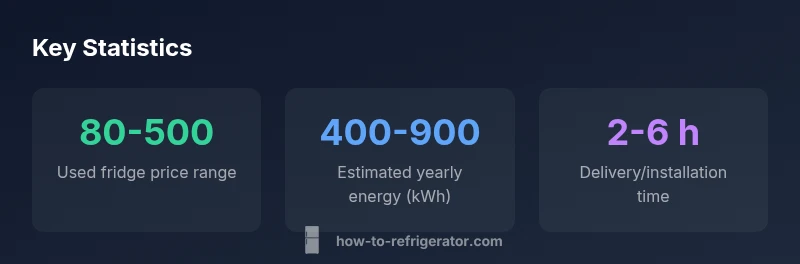
Finding a second hand refrigerator near me can save hundreds while meeting your cooling needs. Typical listings range from $100 to $500 depending on size, age, and condition. When shopping, prioritize models under 10 years old, look for a clean condenser coil, and verify the door seals, temperature control, and defrost drain. Always buy from reputable sellers with basic return guarantees.
Why a second-hand refrigerator near me makes sense for budget-conscious households
Buying a second-hand refrigerator near me is often a smart move for households that want reliable cooling without paying the premium for a new unit. A well-chosen used fridge can meet daily needs while freeing up funds for essential kitchen upgrades or energy-efficient renovations. It also aligns with sustainability goals by extending the life of an appliance rather than sending it to a landfill. When you compare models side by side in your local market, you gain a clearer sense of capacity, dimensions, and energy features that fit your space and lifestyle.
According to How To Refrigerator, shopping locally can yield faster access to the appliance and easier post-purchase support if something goes wrong. The aim is to find a model with solid insulation, efficient door seals, and a healthy compressor. A fridge stored in a cool, dry environment is likely to operate more efficiently and reliably, reducing running costs over time. In short, a targeted search in your area can uncover a trustworthy second-hand refrigerator that matches your kitchen layout and energy targets.
Practical buyer checklist for used refrigerators
Before you commit, run through a practical checklist to minimize risk. First, note the age and model; older units may offer savings but come with wear that affects efficiency and reliability. Check the energy rating as a baseline for running costs. Inspect door seals for gaps, and perform a quick seal test by closing the door on a folded dollar bill to see if it remains firmly in place when pulled. Examine interior surfaces for excessive rust or water damage. Look at condenser coils (usually at the back or underneath) for dust buildup—clean coils improve efficiency. If possible, request a brief run test to observe cooling performance and listen for unusual noises from the compressor or fans. Finally, verify that the defrost drain is clear and that there are no lingering odors from spoiled food. A clear listing with photos and a seller history helps you assess value and minimize surprises when the fridge arrives.
Safety, energy efficiency, and compliance checks
Safety and compliance should be non-negotiables when buying a used fridge. Ensure the appliance plugs into a properly grounded outlet and that the cord and plug are intact, with no exposed wiring. If you’re unsure about electrical safety, skip the purchase and consult a professional. Look for a clear energy rating label or documentation; higher efficiency reduces operating costs over the life of the unit. Check whether the fridge is frost-free and that defrost systems are functioning to prevent ice buildup. Inspect for signs of leaks around the door seals and water lines, which can indicate past failures or improper installation. If the unit has recalls or safety notices, verify corrective actions with the seller. How To Refrigerator Team recommends documenting serial numbers and model information to verify authenticity and cross-check warranty status, if any.
Price ranges, warranties, and total cost of ownership
Price is a major factor, but total cost of ownership matters more. Used refrigerators generally cost less upfront, but you’ll want to factor potential repairs, delivery fees, and any short-term warranty into your decision. Typical price ranges acknowledge that a compact unit in good condition may fetch a lower end of the spectrum, while a larger, recently serviced model could be closer to the higher end. Delivery and installation can add to the cost, and some sellers offer limited warranties or return options. If a seller provides a brief warranty (30 days or so), weigh the risk of future failures against the upfront savings. Consider creating a simple budget that allocates initial purchase, delivery, basic replacements (gaskets or shelves), and a contingency for unexpected repairs.
Finding trusted sellers near you
Locating trustworthy sources is essential for peace of mind. Start with certified refurbishers or appliance retailers that specialize in used units, as they typically offer inspection notes and limited warranties. Local thrift stores and charity shops may surprise you with solid entries, but verify model numbers and condition carefully. Online marketplaces can expand choices, yet demand due diligence: request multiple photos, confirm the appliance is tested, and ask about return options. Look for sellers who provide a clear history of the unit, including purchase date, prior repairs, and any recalls addressed. In addition, check neighborhood groups and community bulletin boards for recommendations. If possible, arrange an in-person inspection so you can verify the unit’s performance and physical condition before any money changes hands.
Delivery, installation, and initial setup
After choosing a unit, coordinate delivery windows that fit your schedule and ensure access to the installation site. Clear a path from entry to the kitchen and remove obstacle furniture. Confirm that the space can accommodate the fridge’s dimensions and door swing, and ensure the unit is kept upright during transport to protect the compressor. Once installed, allow the fridge to settle for a few hours before turning it on, and monitor the initial cooling performance. Set the temperature according to the manufacturer’s guidelines and test with a thermometer to confirm the correct range. If you need to move the fridge later, consult professional help to avoid damage.
Maintenance tips to extend life of a used fridge
Regular maintenance boosts the longevity of a second-hand refrigerator. Clean the exterior and interior shelves to prevent odors, and wipe the door gaskets to maintain a tight seal. Vacuum dust from condenser coils at least twice a year to sustain cooling efficiency. Check door alignment and adjust as needed to prevent leaks. Monitor the temperature consistency with a small thermometer and schedule periodic diagnostic checks if you notice fluctuations. Keeping the drain clear and addressing any unusual noises early can prevent larger issues. A proactive maintenance routine minimizes downtime and helps your investment deliver dependable cooling.
Red flags and final pre-purchase checklist
Before finalizing a purchase, run through a concise red-flag checklist. Look for frost buildup inside, water leaks near the base, or audible grinding noises from the compressor. Beware listings with vague histories or missing serial numbers, and avoid units with musty odors or visible rust. Check that the unit has been tested for proper cooling in the seller’s presence and ask for a short-term return option. Ensure the fridge can fit your space, operates at the expected energy level, and that delivery terms cover installation. The How To Refrigerator team emphasizes using a structured checklist and validating every claim with photos, measurements, and a hands-on test to minimize post-purchase surprises.
Used fridge pre-purchase checklist
| Aspect | Used fridge state to check | What to look for | Notes |
|---|---|---|---|
| Age & model | Unknown age, check serial | Record model and year; compare to typical lifespans | Old units may be cheaper but costlier to run |
| Leaks & seals | Check door seals for gaps | Test with a dollar bill; inspect for squareness | Loose seals increase energy use and spoil freshness |
| Cooling performance | Assess cooling and noises | Observe temp stability; test cycles | Unreliable cooling signals potential compressor issues |
| Electrical safety | Plug, cord, outlet condition | Proper grounding; no exposed wires | Avoid outlets near water sources |
| Defrost and drainage | Drain clear and functioning | Ensure no ice buildup; test defrost drain | Clogs cause mildew and inefficiency |
FAQ
Is it safe to buy a second-hand refrigerator?
Yes, it can be safe if you verify energy efficiency, inspect door seals, test cooling, and buy from reputable sellers with a return option. If a unit shows obvious signs of wear or recalls, pass on it.
Used fridges can be safe with the right checks and a trusted seller.
Where can I find second-hand refrigerators near me?
Look in local marketplaces, certified refurbishers, thrift stores, and reputable appliance retailers. Use maps and search terms like 'second hand refrigerator near me' to compare options and confirm availability.
Check local shops and online listings for options nearby.
How old is too old for a used fridge?
Most buyers consider models under 10-12 years acceptable, depending on condition and energy rating. Older units may be cheaper but come with higher repair costs and reduced efficiency.
Usually, older means more risk and costs.
What should I test during an in-person visit?
Test door seals, listen for odd noises, observe cooling performance, and verify the temperature range. Ask for proof of testing and a brief warranty if available.
Test seals, listen for noises, and check cooling.
Do used refrigerators come with warranties?
Warranties vary. Some sellers offer short-term warranties or return windows, while refurbishers may provide limited guarantees. Always read terms and confirm coverage before purchase.
Warranties vary; check terms before buying.
What is the best way to transport and install a second-hand fridge?
Arrange safe, upright transport, confirm space, and allow for proper leveling during installation. Do not tilt aggressively and follow manufacturer guidance for initial setup.
Plan safe transport and proper setup.
“Used refrigerators can offer substantial savings when you verify energy efficiency and inspect seals. Ensure the compressor runs smoothly and there are no leaks.”
Top Takeaways
- Inspect key seals and temperatures before buying
- Compare price ranges with energy ratings
- Ask for a brief test run and return option
- Check delivery and install readiness
- Consider long-term maintenance costs